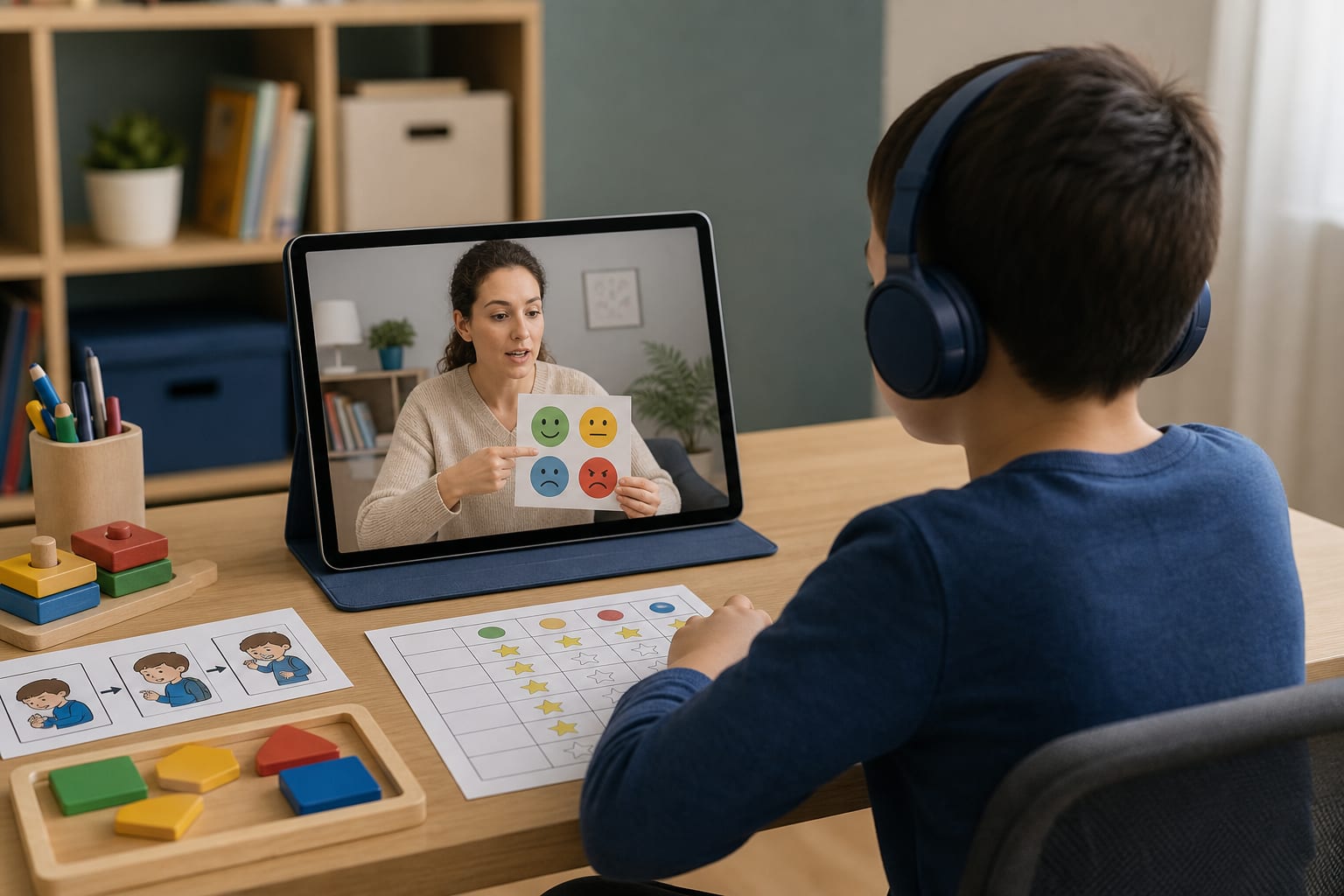
To evaluate the impact of telerehabilitation interventions on cognitive, behavioural, and functional outcomes in children and adolescents with intellectual disabilities (ID), addressing the limited existing evidence.
Key Findings:
28 studies involving 668 participants were included.
Telerehabilitation was associated with improvements in language and communication skills, challenging behaviours, executive functions, and motor outcomes.
Parent-mediated and telehealth-delivered behavioural interventions showed evidence in reducing externalizing behaviours and parental stress.
Digital cognitive training programmes demonstrated feasibility and short-term gains in working memory and attention, though long-term effects were less consistent.
Interventions targeting lifestyle and mental health showed promising but preliminary results.
Studies varied significantly in design, intervention protocols, and outcome measures, with frequent methodological limitations impacting the overall findings.
Interpretation:
Telerehabilitation appears to be a feasible and potentially effective approach for supporting children and adolescents with ID, particularly with active caregiver involvement.
Limitations:
Substantial variability in study designs and intervention protocols.
Frequent methodological limitations across included studies.
Lack of consistent long-term outcome data, which affects the reliability of findings.
Conclusion:
Larger and methodologically robust studies are needed to define intervention characteristics and assess long-term outcomes, while addressing the methodological limitations identified, as well as the development of hybrid care models integrating in-person and remote approaches.