To evaluate the effects of an AI-assisted comparative exercise versus conventional anatomical labeling on knowledge acquisition, learner satisfaction, and cognitive workload.
Approach:
Study Design: A quasi-experimental 2 × 2 study involving 121 sophomores from two universities in Shanghai, China, comparing AI-assisted exercises with conventional labeling.
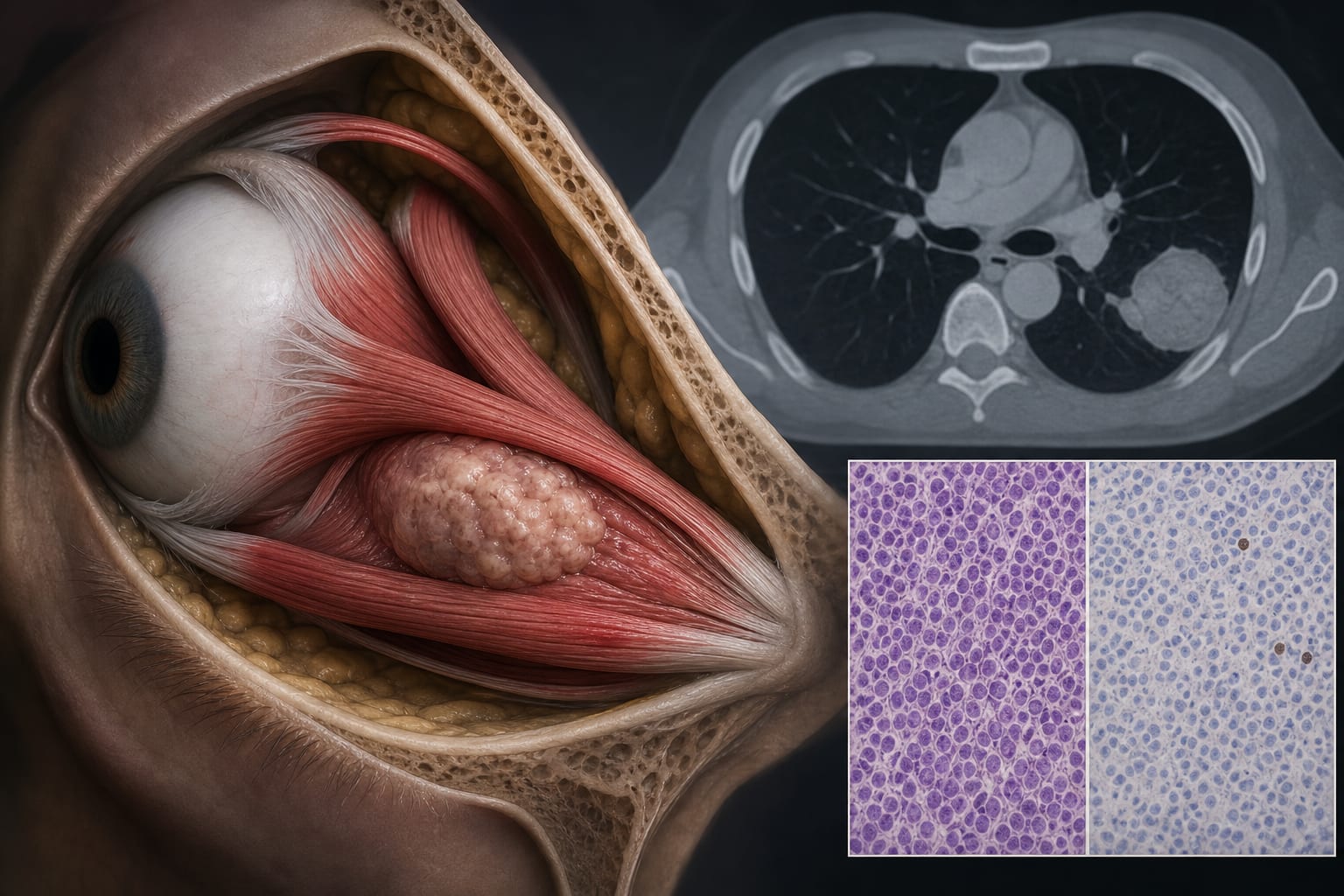
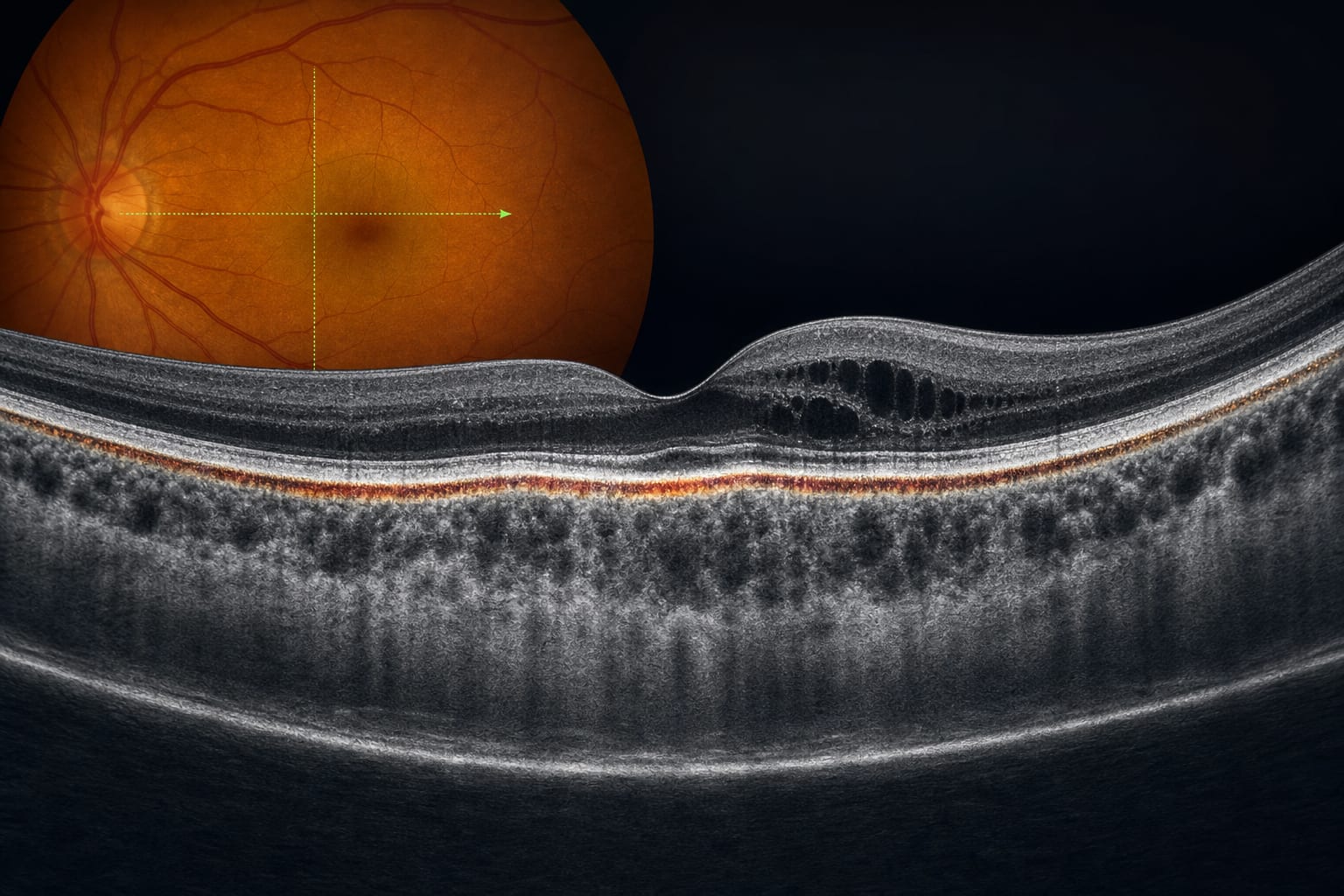
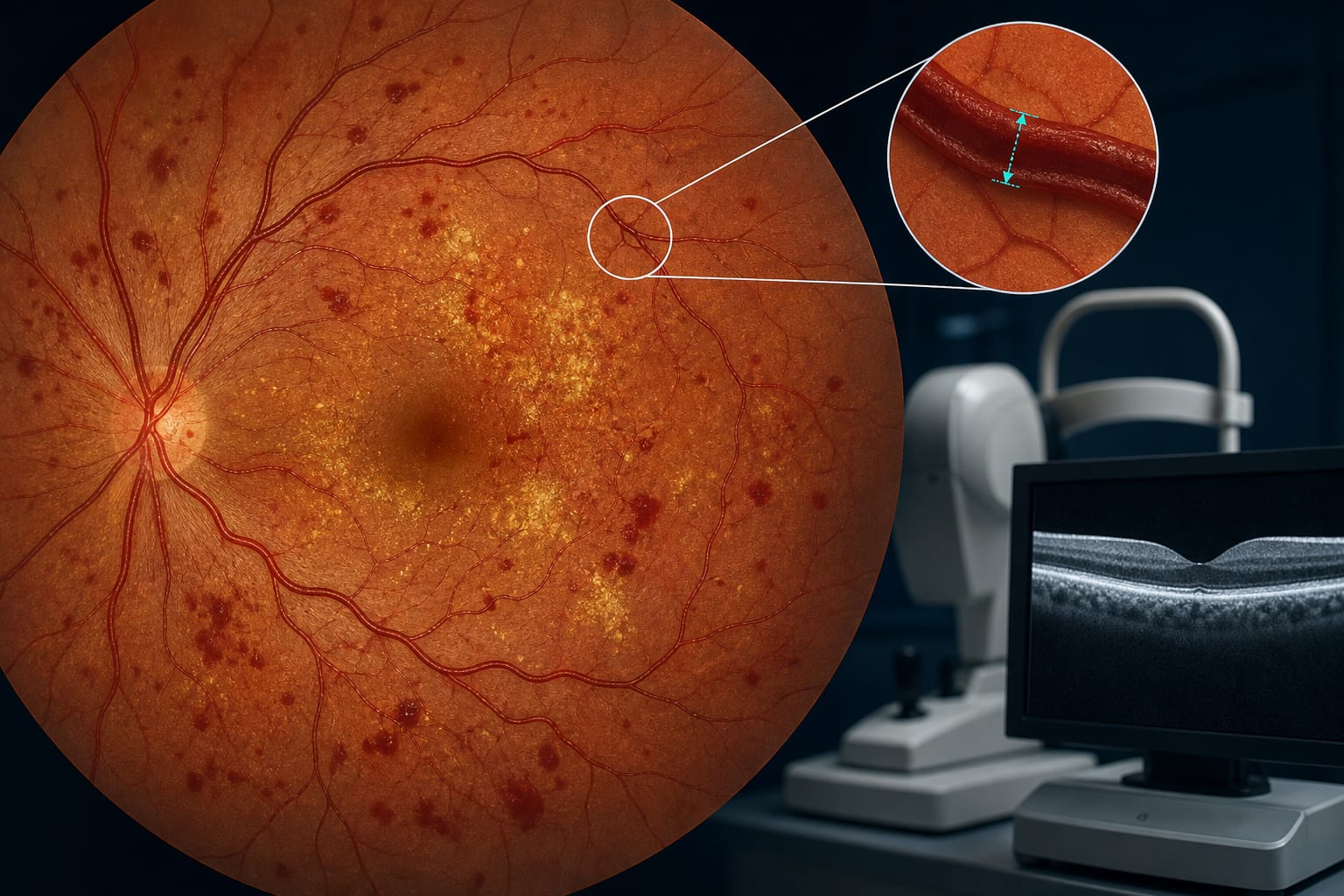
Intervention: Participants received a 20-min lecture followed by either a conventional diagram-labeling task or an AI-assisted comparative exercise using anatomically correct and AI-generated variant images.
Outcomes: Outcomes measured included knowledge tests, a satisfaction questionnaire, and the NASA Task Load Index.
Key Findings:
No statistically significant difference in post-test knowledge scores between AI and conventional groups (p > 0.05).
Non-medical students reported higher satisfaction (9.17 vs. 7.52; Holm-adjusted p < 0.001; r = 0.60) and self-assessed performance (7.76 vs. 6.03; Holm-adjusted p = 0.003; r = 0.47) in the AI condition compared to conventional.
No differences in cognitive workload (NASA-TLX scores) between AI and conventional conditions for either group (all p > 0.05).
Interpretation:
The AI-assisted comparative exercise did not show a significant advantage in knowledge acquisition but was associated with higher satisfaction and self-assessed performance among non-medical students.
Limitations:
The study was limited to sophomores from two universities in Shanghai, which may affect generalizability.
The sample size may not be sufficient to detect small differences in knowledge acquisition.
Conclusion:
AI-generated anatomical variants can serve as a structured adjunct for novice ophthalmic anatomy learning.