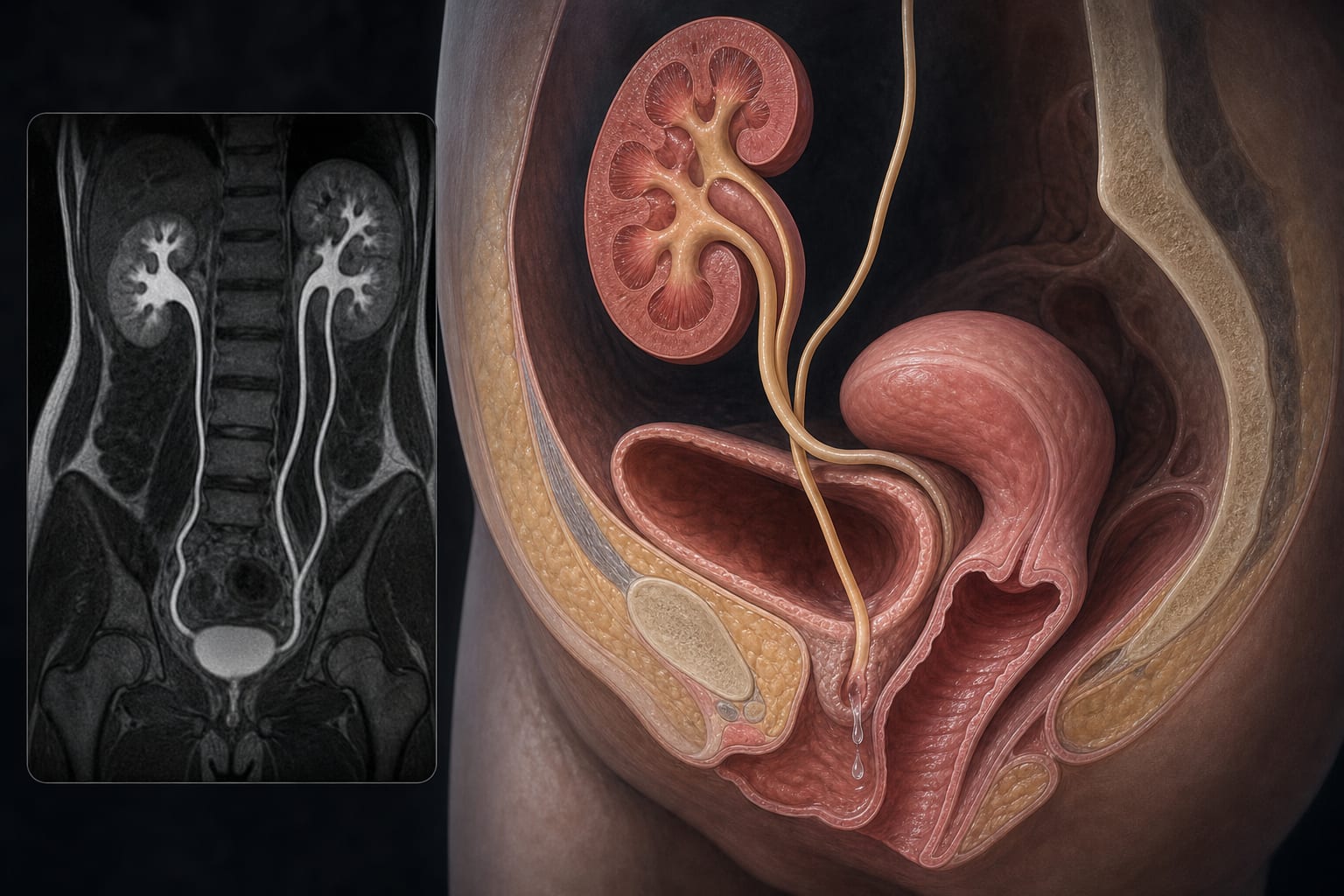
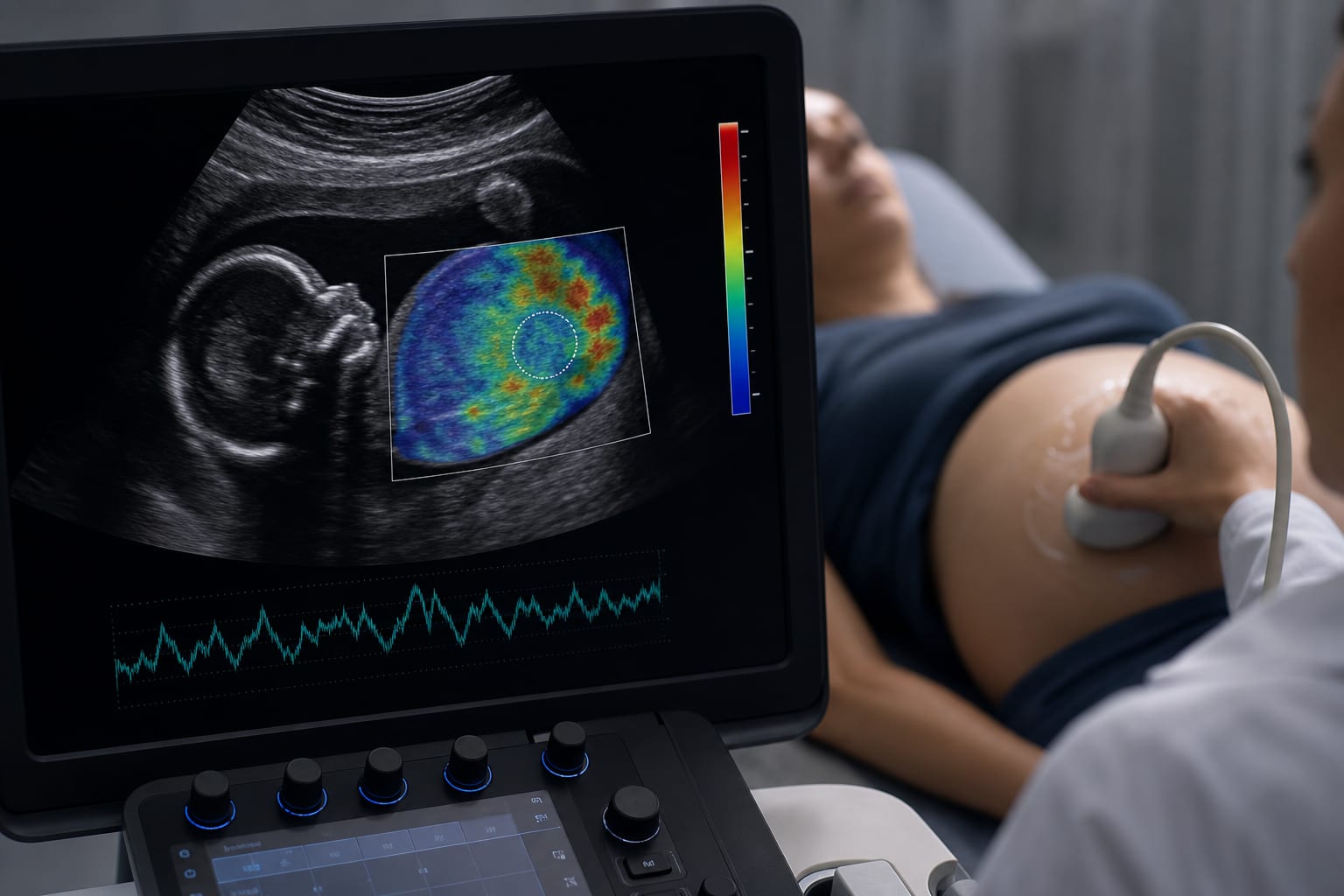
To evaluate neonatal outcomes by delivery mode and gestational timing in Palestine.
Approach:
Study Design: A multicenter retrospective cohort study using records from Al-Makassed Charitable Hospital, Jerusalem, and Al-Ahli Hospital, Hebron, from January 2021 to December 2024.
Participants: Liveborn singleton infants delivered at 34 + 0 weeks or later were included.
Outcomes: The primary outcome was composite neonatal morbidity, analyzed using multivariable logistic regression.
Key Findings:
Among 8,364 infants, 3,347 were delivered by elective caesarean section, with 2,569 (76.8%) occurring before 39 weeks.
Composite morbidity was highest after late-preterm elective caesarean section (49.0%).
Late-preterm elective caesarean section was associated with NICU admission and respiratory complications.
Early-term elective caesarean section was also associated with composite morbidity.
Interpretation:
Planned prelabour caesarean delivery before 39+0 weeks is associated with higher early neonatal morbidity, particularly in the late-preterm period.
Limitations:
The study is retrospective and relies on existing medical records, which may limit the accuracy of the data.
No random sampling was performed, which may affect generalizability.
Conclusion:
The findings highlight the need for careful documentation and review of planned caesarean births before 39 weeks.
by Motee Abuawwad, Mohammad Ibrahim Ghannam, Salahaldeen Deeb, Alaa Rashed Naji Said, Mohammed A. Taqatqah, Yousef Joulani, Bayan Abed Rabu, Ala Dwaib, Deema Alzeer, Salwa Sheikh Kasem, Hatem Mousa Khamash, Asmaa A. Rjoob