Optimizing discharge outcomes in very preterm infants by a novel integrated family and rehabilitation care model—a retrospective case-matched study - Summary - MDSpire
Advertisement
Optimizing discharge outcomes in very preterm infants by a novel integrated family and rehabilitation care model—a retrospective case-matched study
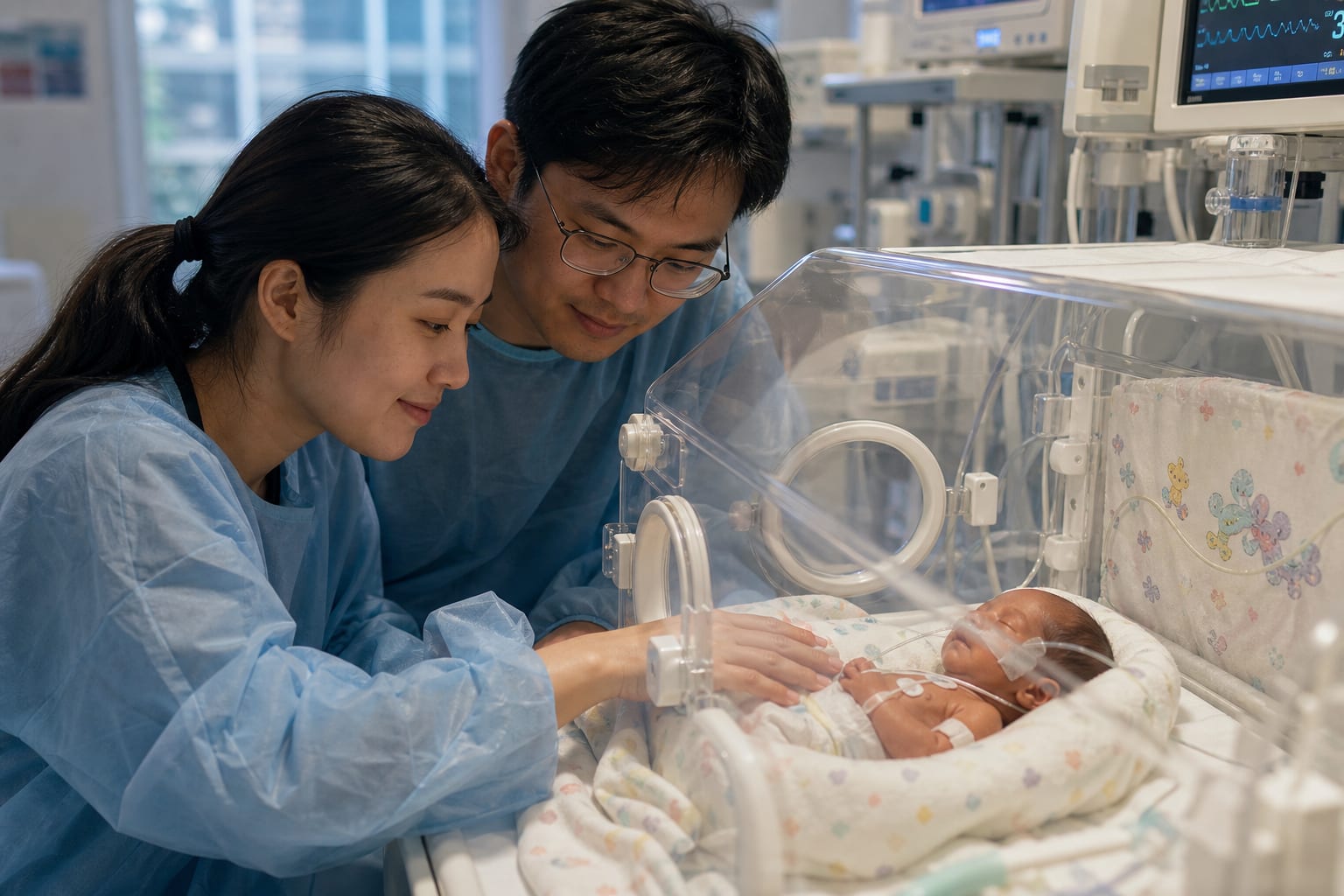
To investigate the effect of a novel integrated family-centered care (NIFCC) model on discharge outcomes in very preterm infants compared to traditionally implemented family-centered care (FCC).
Approach:
Study Design: A retrospective 1:1 case-matched study was conducted in a level 4 NICU.
Population: Fifty-three very preterm infants (gestational age <32 weeks) receiving NIFCC were matched with 53 controls under traditional FCC.
Outcomes: Primary outcomes included oxygen weaning, full oral feeding establishment, and Neonatal Behavioral Observation (NBO) scores. Secondary outcomes included complications, anthropometric measures, hospital stay, and costs.
Key Findings:
NIFCC group had significantly higher oxygen independence (92.5% vs. 73.6%, P = 0.018).
Shorter duration of oxygen therapy in NIFCC group (18 vs. 25 days, P = 0.019).
Full oral feeding rate was higher in NIFCC group (100% vs. 86.8%, P = 0.013).
NBO scores were higher in NIFCC group (51 vs. 49, P = 0.036).
No significant differences in preterm complications, hospital stay, or costs were found.
Interpretation:
Limitations:
The study is retrospective and may be subject to selection bias.
The sample size may limit the generalizability of the findings.