To synthesize blood-based proteomic and targeted biomarker evidence related to post-COVID condition (PCC) and organize it into pathophysiological domains.
Approach:
Narrative Review: Focused narrative review synthesizing current knowledge on proteomic biomarkers associated with PCC, using structured database searches and prioritizing studies based on relevance and adherence to PCC definitions.
Key Findings:
Persistent immune dysregulation is indicated by elevated pro-inflammatory cytokines such as IL-6, IL-20, MCP-1, and TNF-α.
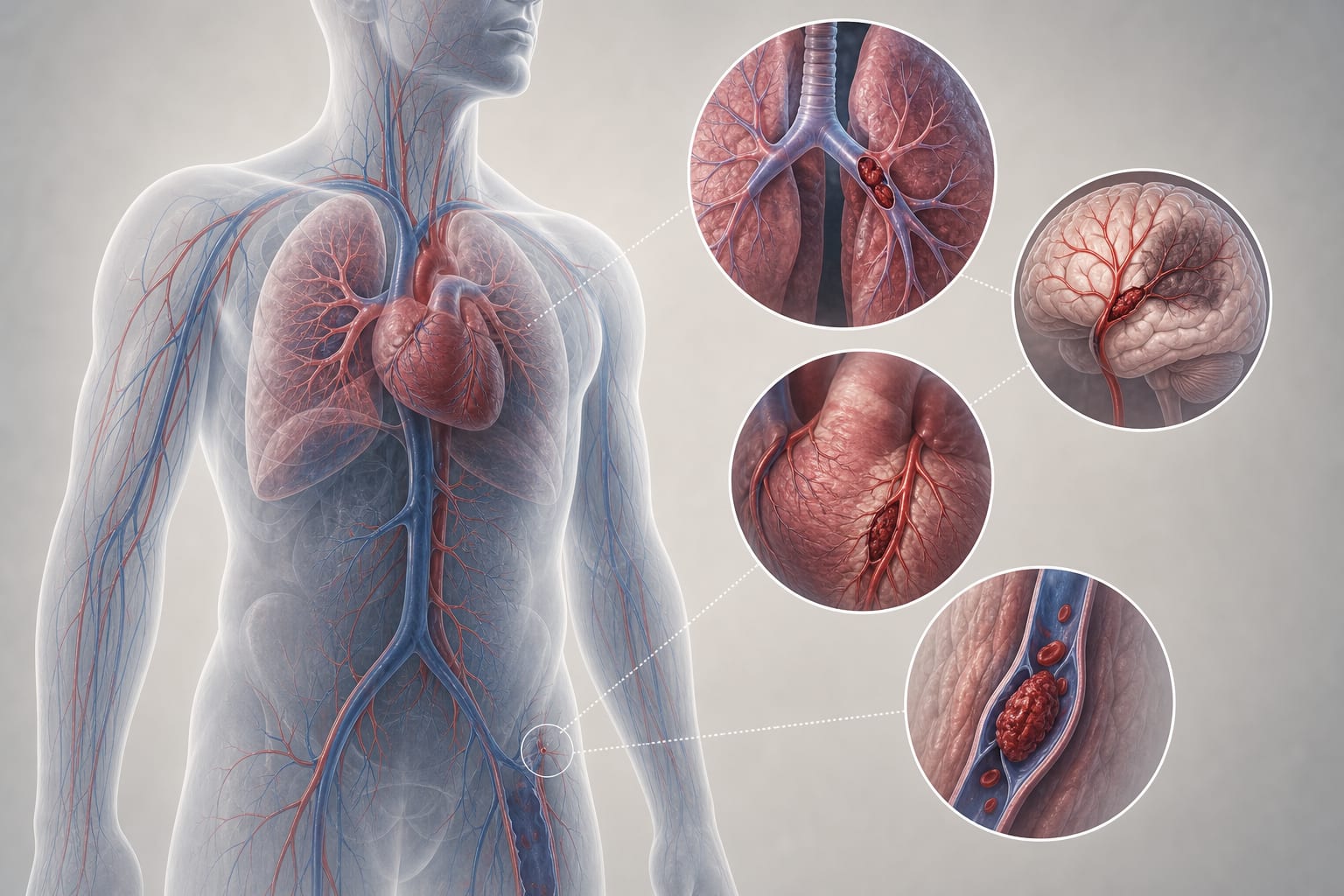
Endothelial dysfunction and disordered haemostasis are suggested by markers like D-dimer, P-selectin, and vWF.
Neurological injury is associated with proteins such as NFL, GFAP, NAAA, LXN, NBL1, and HAGH.
No single protein provides adequate diagnostic performance; phenotype-linked multi-analyte panels show the greatest promise.
Interpretation:
The findings highlight the need for harmonized case definitions and standardized assays to improve detection of tissue-specific signals in PCC.
Limitations:
Heterogeneous case definitions and variable sampling windows across studies.
No formal risk-of-bias assessment or quantitative synthesis performed.
Conflicting findings across studies described narratively.
Control groups across included studies varied and comprised recovered SARS-CoV-2-infected individuals without persistent symptoms, uninfected controls, or combinations thereof.
Conclusion:
Identifying reproducible blood protein biomarkers is crucial for improving patient stratification and therapeutic monitoring in PCC.