The Most Sensitive Cancer Blood Test Yet
A CRISPR-powered light sensor detected trace amounts of cancer biomarkers in the blood
Objective:
To develop an ultra-sensitive blood test for early detection of cancer-related microRNAs.
Key Findings:
- The test can detect microRNAs at concentrations as low as 168 zeptomolar.
- It provides clearer signal changes than current standard laboratory methods.
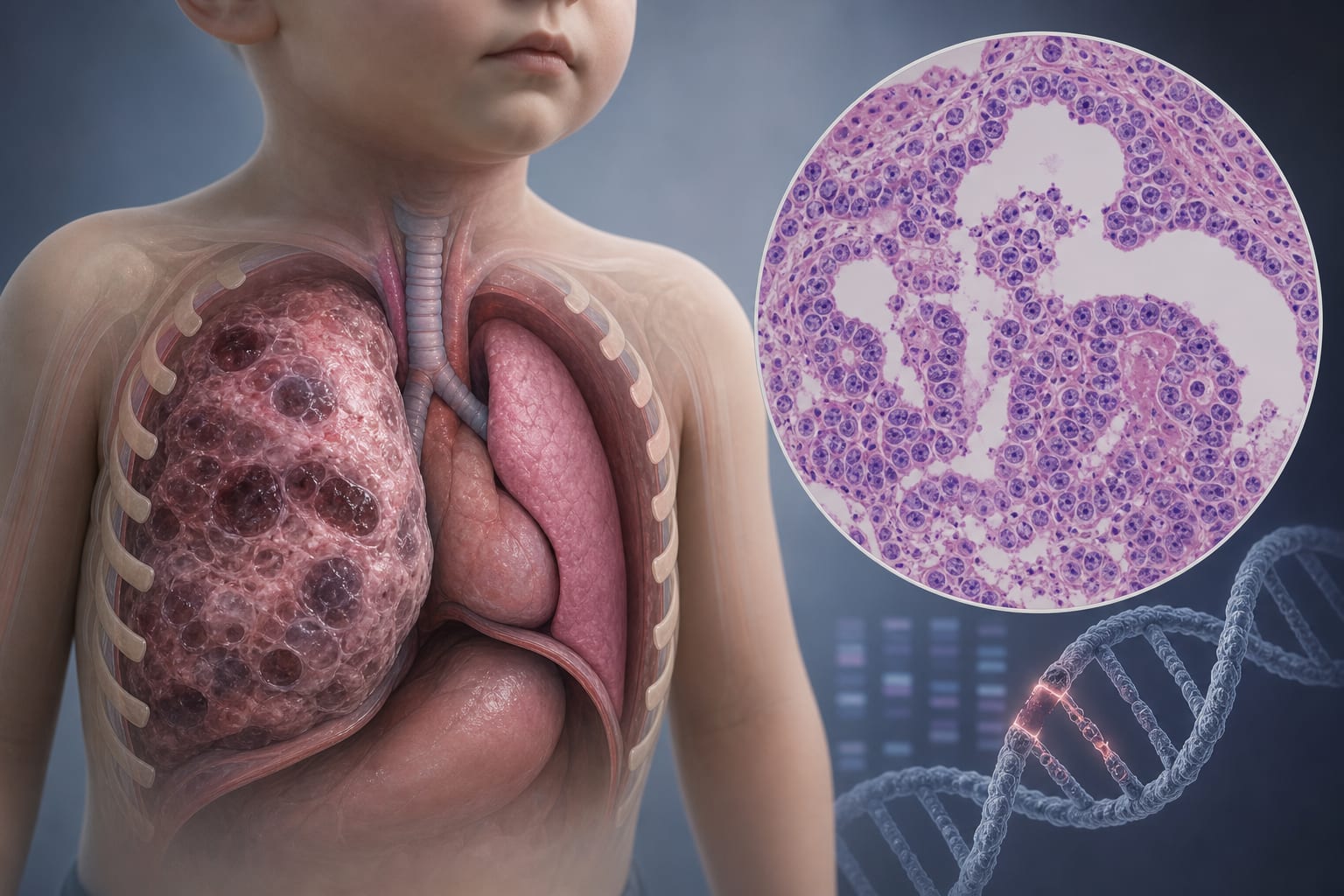
- The method shows potential for early lung cancer diagnosis before tumors are visible on scans.
Interpretation:
This ultra-sensitive test could revolutionize early cancer detection and personalized treatment monitoring.
Limitations:
- The study primarily focused on lung cancer; further research is needed for other cancer types.
- The practicality of widespread clinical implementation remains to be evaluated.
Conclusion:
The new blood test offers a promising approach for early cancer detection and monitoring, potentially improving patient outcomes.