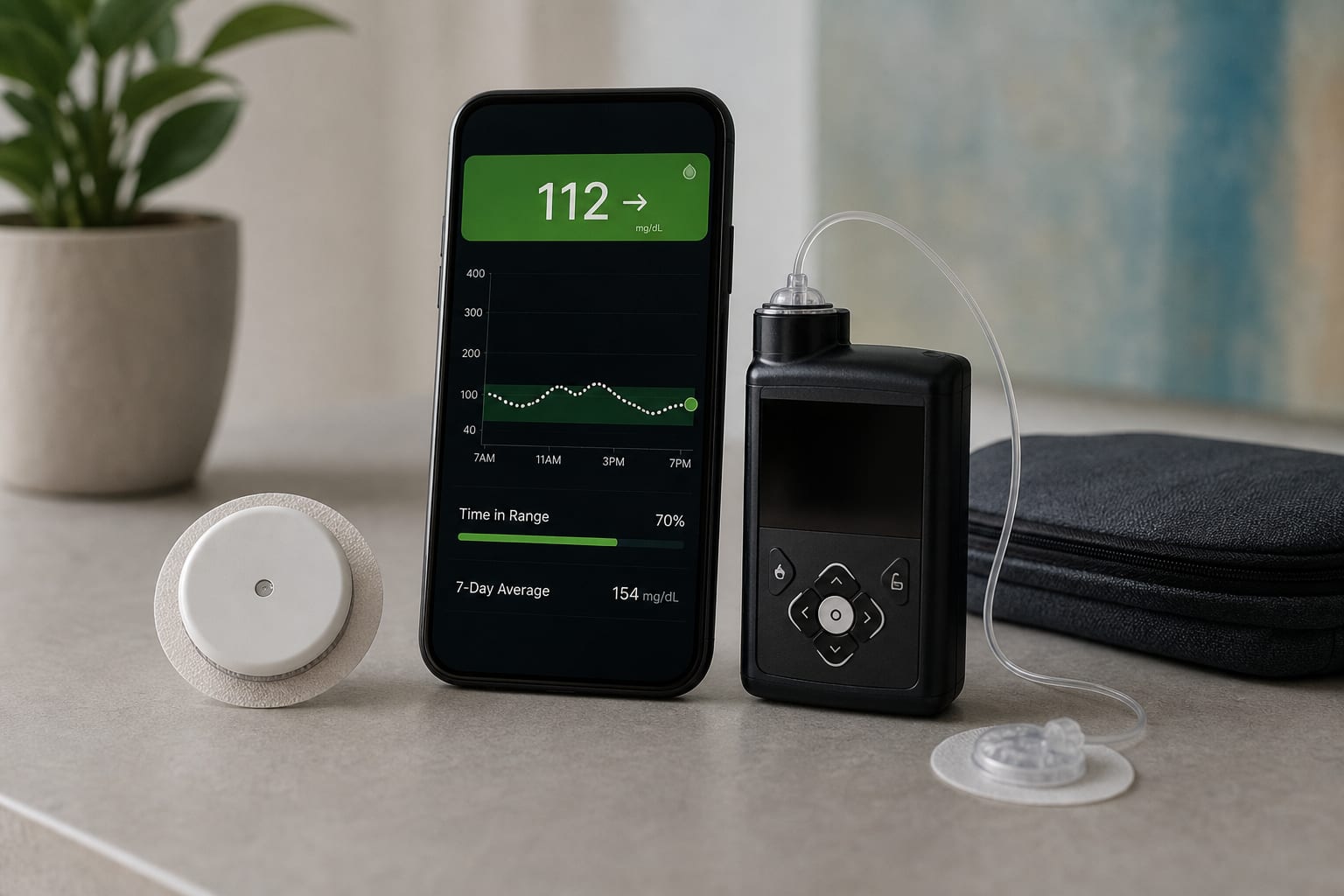
To evaluate patients’ perspectives on the impact of diabetes technology on their daily lives and psychological well-being.
Approach:
Study Design: A qualitative study involving adults with type 1 diabetes (T1D) who completed a survey assessing diabetes technology use, daily functioning, quality of life, and emotional well-being.
Data Collection: Participants provided free-text responses to an open-ended question about the impact of their diabetes regimen or technology on their lives.
Data Analysis: Responses were analyzed qualitatively using thematic analysis, with independent coding by two researchers to ensure credibility.
Key Findings:
Four major themes emerged: psychosocial and emotional impact (n = 321), daily functioning and lifestyle (n = 184), environmental impact (n = 12), and device performance and user experience (n = 186).
Participants reported both benefits and challenges associated with diabetes technology, including anxiety and financial stress.
Diabetes technology can alleviate anxiety by providing real-time data but may also introduce new sources of anxiety due to constant monitoring.
Interpretation:
The study reveals the complex emotional and psychosocial landscape of diabetes technology use, indicating that while these devices can enhance care, they also introduce new challenges.
Limitations:
The study focused on adults within a single health system, which may limit generalizability.
Responses may be biased towards those who are more engaged with their diabetes management.
Conclusion:
Understanding the experiences of patients using diabetes technology is essential for improving care and addressing psychosocial challenges.