To investigate associations between the DTI-ALPS index and gray and white matter morphological features using surface-based morphometry (SBM) and correlational tractography.
Approach:
Key Findings:
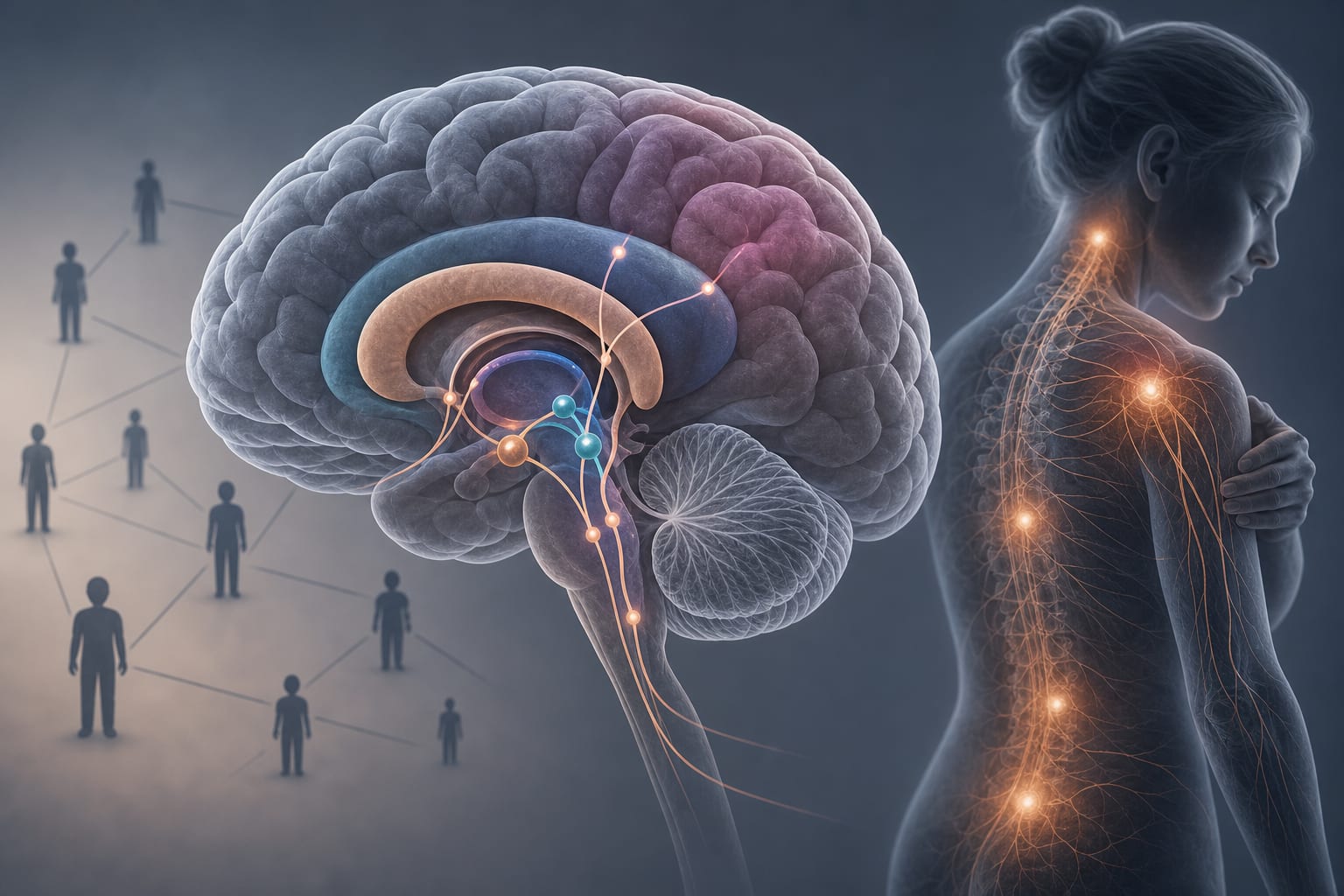
Positive correlations between the DTI-ALPS index and sulcal depth in the precentral, parsopercularis, postcentral, and supramarginal gyri.
Positive correlation of the DTI-ALPS index with fractional anisotropy (FA) and negative correlation with mean diffusivity (MD) in the corpus callosum, bilateral fornices, and corticospinal tracts.
Structural connectivity was observed between identified tracts and cortical regions, with MD in connected tracts positively correlating with regional sulcal depth.
Interpretation:
The study identified cortical and white matter correlates of DTI-ALPS variability in a healthy young-adult cohort, providing insights into mechanisms underlying DTI-ALPS index decline in aging and neurological disorders.
Limitations:
The study focused on a healthy young-adult cohort, limiting generalizability to older adults or those with neurological disorders.
Potential confounding effects of cerebral lateralization were minimized but not entirely eliminated.
Conclusion:
The findings provide insights into the neuroanatomical substrates of intracerebral fluid clearance.