To investigate the relationships of meibomian gland (MG) loss rates and morphological changes with demographic characteristics and dry eye parameters, emphasizing the significance of these relationships in clinical practice.
Key Findings:
MG dysfunction (MGD) accounts for 50–70% of dry eye disease, highlighting the need for effective assessment methods. Noninvasive infrared meibography is effective for assessing MG morphology, and age and sex are associated with MGD, indicating areas for further research.
Interpretation:
The study highlights the importance of objective assessment of MG morphology in understanding MGD and its relationship with dry eye symptoms.
Limitations:
The study's sample size may limit the generalizability of findings, and the relationship between morphological changes and clinical symptoms remains to be fully elucidated, which could affect the interpretation of results.
Conclusion:
Understanding the morphological alterations in MGs can enhance the diagnosis and treatment of dry eye disease, potentially improving patient outcomes.
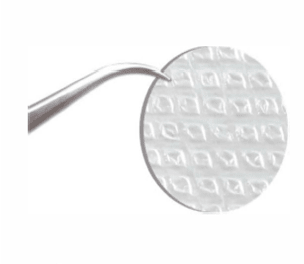
The trilayer decellularized basement membrane is used in ocular surgery and in OSD applications, including corneal and conjunctival-related injuries or defects.