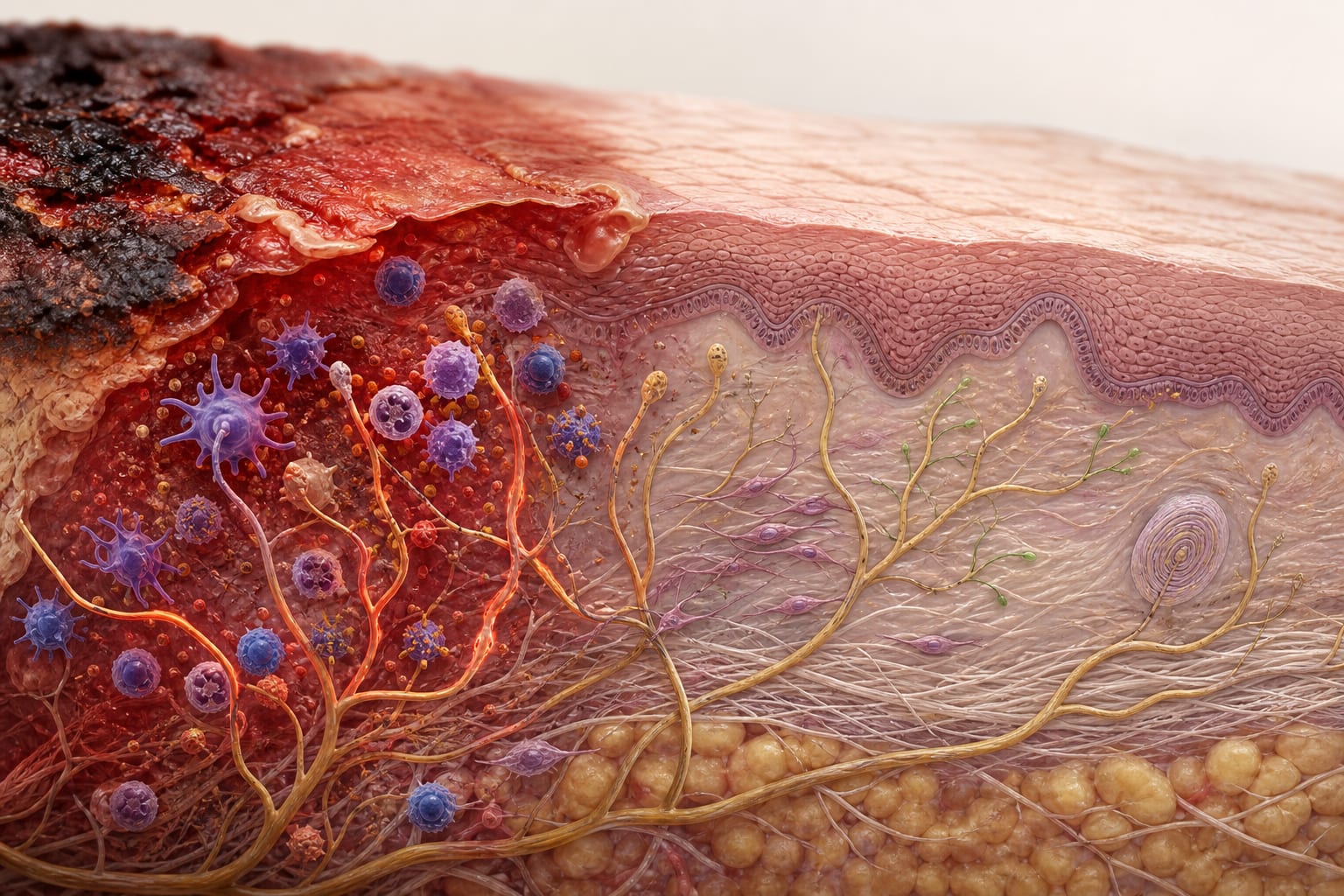
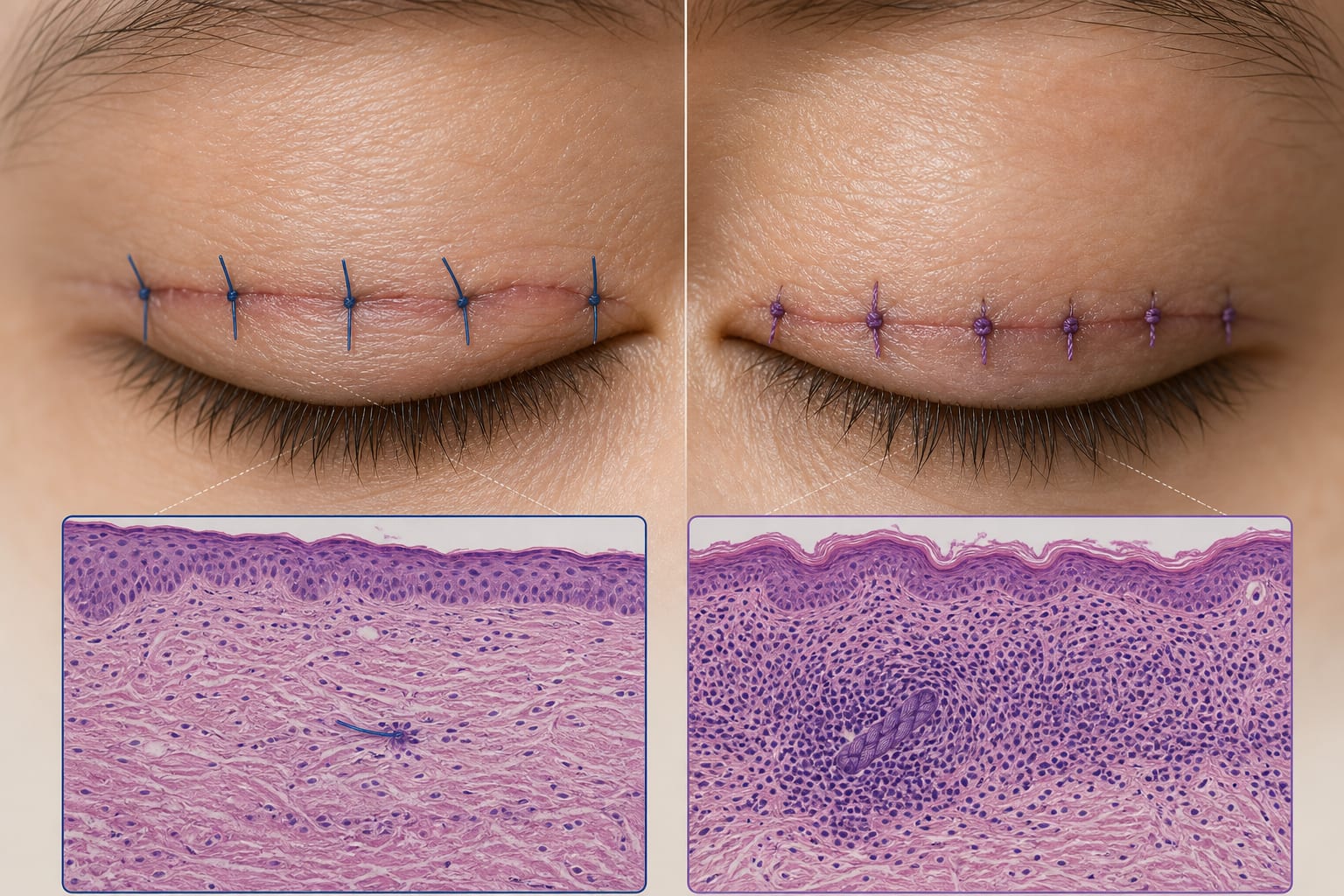
To synthesize current evidence on how thermal injury reshapes the function of key cutaneous cell populations and modulates nociceptor activity through various pathways.
Approach:
Review of Cellular Dynamics: The review focuses on the role of keratinocytes, epidermal stem cells, melanocytes, fibroblasts, and immune cells in neuroimmune crosstalk and nociceptor sensitization during burn healing.
Analysis of Inflammatory Response: It examines the unique inflammatory response in burn injuries, including the spatial and temporal characteristics influenced by burn wound architecture.
Key Findings:
Burn injuries lead to extensive tissue destruction and a robust inflammatory environment.
Chronic pain in burn survivors often exhibits neuropathic features due to dysregulated inflammation and immune responses.
30%–50% of burn survivors develop chronic pain, often resistant to conventional analgesics.
Interpretation:
The review emphasizes the need for understanding cellular dynamics in nociception.
Limitations:
The review may not cover all cellular mechanisms involved in nociception.
Emerging evidence may not be fully integrated into clinical practice yet.
Conclusion:
Insights into cellular alterations and inflammatory responses are essential for developing therapies to alleviate chronic pain in burn survivors.