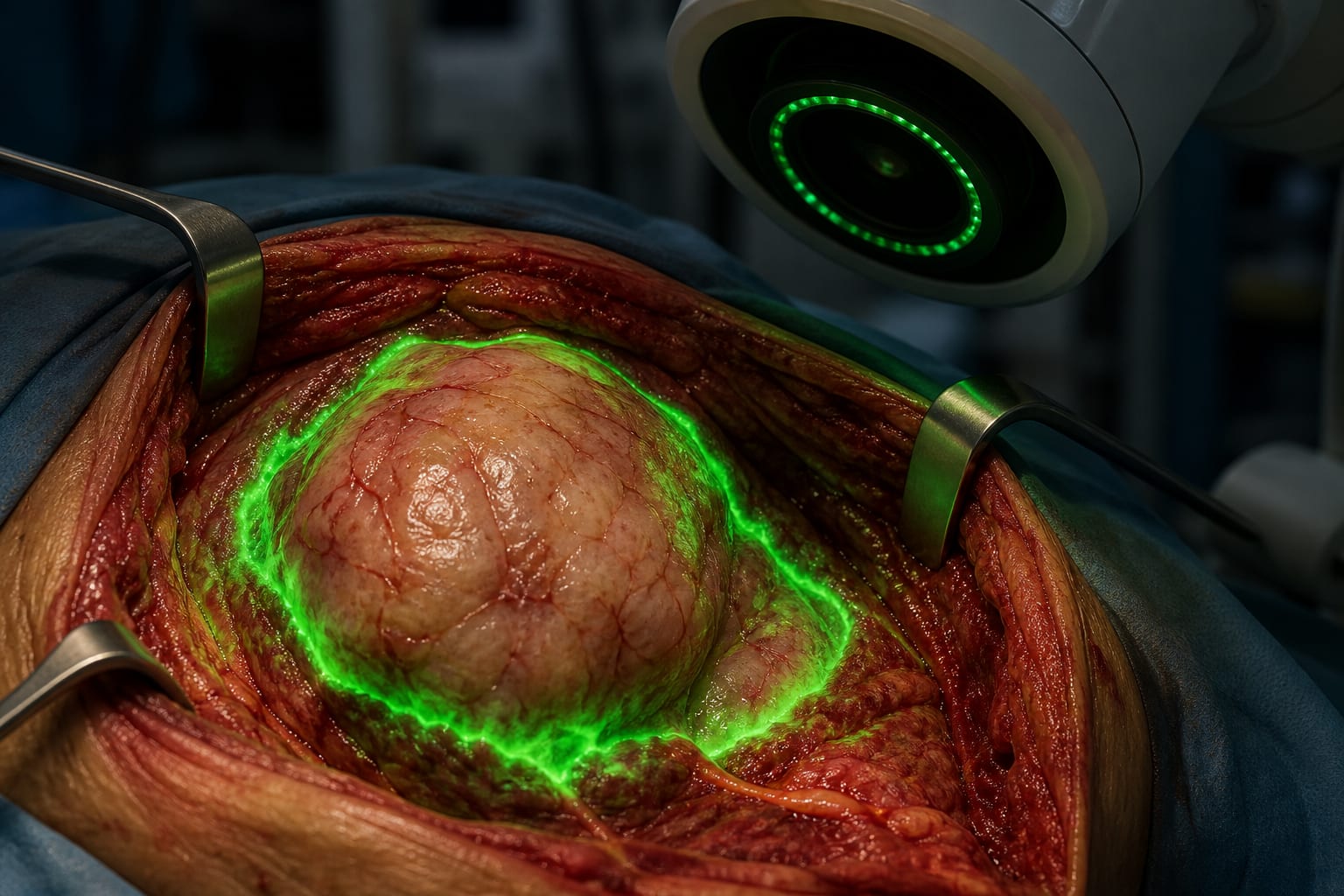
To explore clinical outcomes of multidisciplinary therapeutic approaches centered on en bloc resection and reconstruction surgery for tumors involving both thoracic vertebrae and posterior chest wall, highlighting the significance of achieving optimal local control.
Key Findings:
Common diagnoses included chondrosarcoma, giant cell tumors, and osteosarcoma, with specific outcomes indicating the effectiveness of surgical interventions.
Surgical techniques varied based on tumor involvement and anatomical considerations, impacting recovery and complication rates.
R0 resection was the goal, with reconstruction methods tailored to individual cases, resulting in improved patient outcomes.
Interpretation:
The study highlights the complexity of surgical management for tumors affecting both thoracic vertebrae and chest wall, emphasizing the importance of multidisciplinary approaches and tailored surgical techniques, which may lead to better patient outcomes.
Limitations:
Retrospective design may introduce selection bias, potentially affecting the reliability of outcomes.
Small sample size limits generalizability of findings, suggesting the need for larger studies.
Lack of long-term follow-up data on outcomes restricts the ability to assess the durability of surgical success.
Conclusion:
En bloc resection and reconstruction can be effectively performed for tumors involving thoracic vertebrae and chest wall, but careful planning and execution are crucial for optimal outcomes, warranting further research to validate these findings.