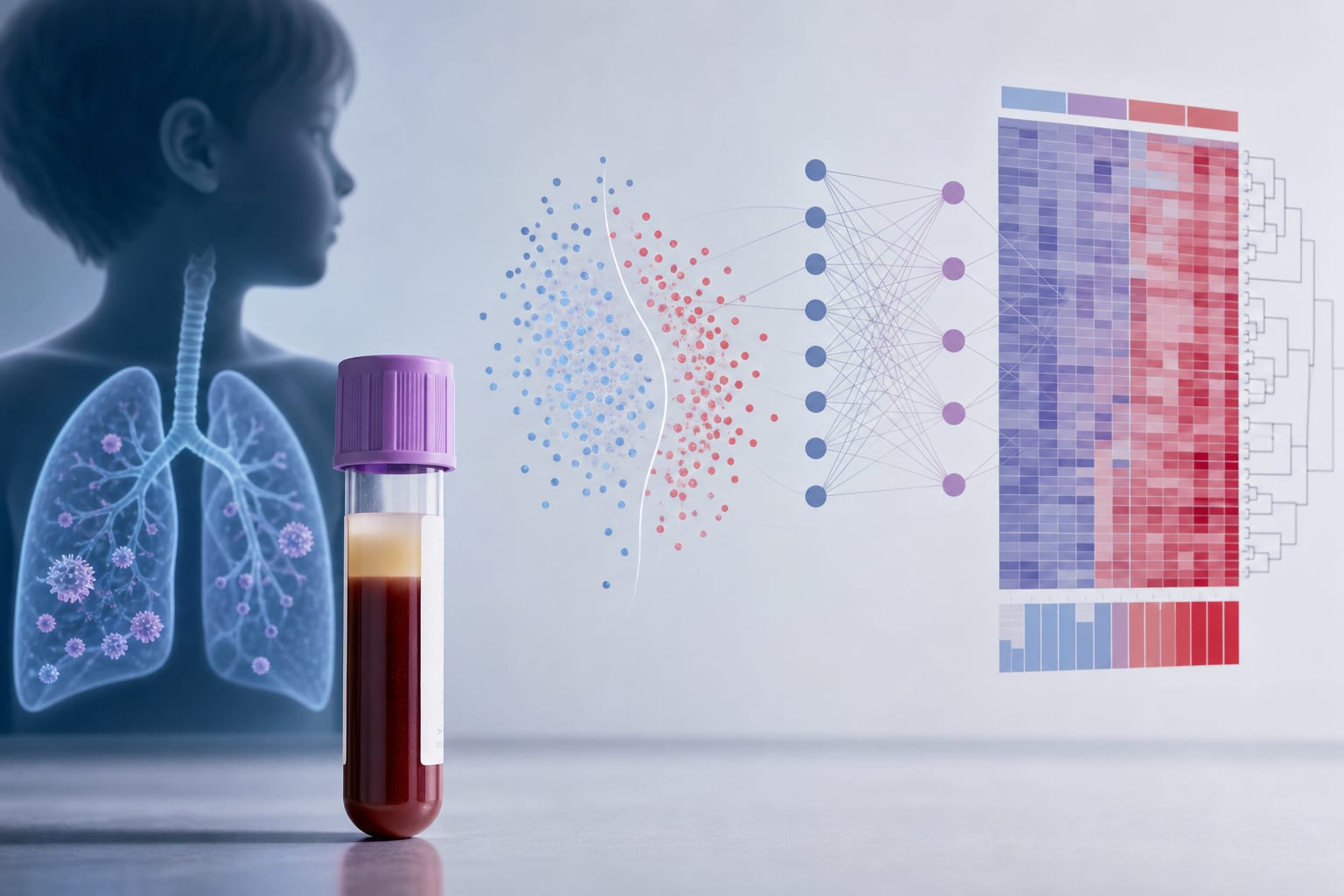
To examine the roles of various regulatory immune cells in the infection process of pulmonary tuberculosis (PTB) and their mechanisms of inducing immunosuppressive functions, highlighting the significance for treatment development.
Key Findings:
Tregs are significantly more prevalent in PTB patients compared to those with latent tuberculosis infection or healthy controls, indicating a potential target for therapeutic intervention.
An increased proportion of Tregs is associated with the progression of PTB and potentially with drug resistance in MDR-TB, suggesting a need for strategies to modulate Treg activity.
Tregs exert immunosuppressive effects through various mechanisms, including secretion of IL-10 and TGF-β, and engagement of CTLA-4, which may hinder effective immune responses.
Interpretation:
Understanding the immunosuppressive network in PTB is crucial for developing effective immunotherapy regimens that can enhance patient outcomes.
Limitations:
The review primarily focuses on the roles of specific regulatory immune cells without extensive exploration of other immune components, such as innate immune responses.
Potential biases in the studies reviewed may affect the generalizability of the findings, particularly in diverse populations.
Conclusion:
A deeper understanding of the roles and mechanisms of regulatory immune cells in PTB may guide the development of novel immunotherapy strategies, paving the way for improved treatment protocols.