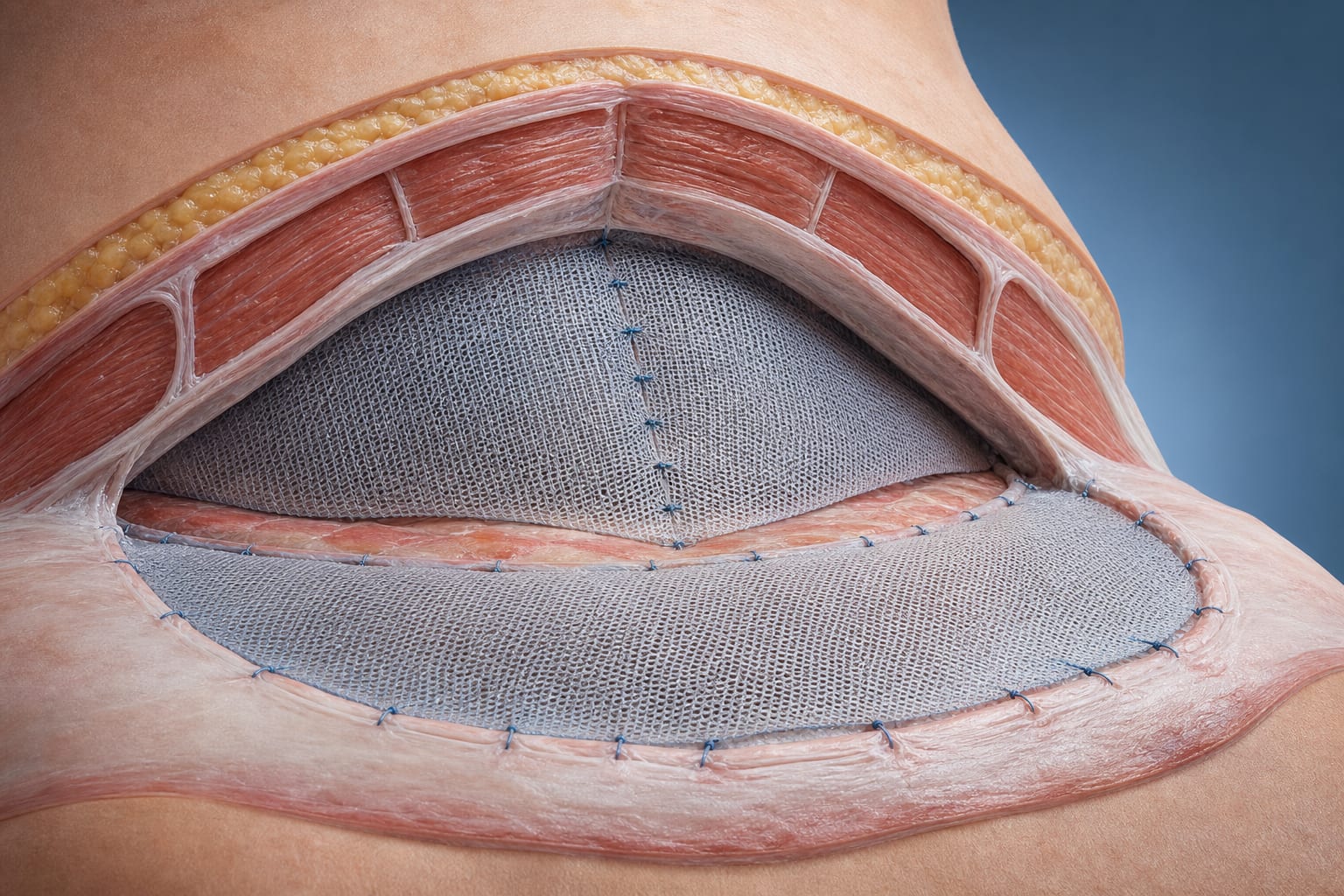
To evaluate and compare the efficacy, safety, and psychosocial health benefits of various bariatric surgical techniques for treating morbid obesity in adolescents, emphasizing the importance of psychosocial outcomes.
Key Findings:
Adolescent obesity is linked to severe health issues and psychological problems, with significant implications for long-term health.
Current lifestyle interventions yield limited long-term weight loss, averaging only 1.7 kg/m2 after 12 months.
Bariatric surgery shows promise in achieving significant weight loss and reducing comorbidities in adolescents, with potential for improved quality of life.
Interpretation:
Bariatric surgery may be a viable option for morbidly obese adolescents, particularly when traditional interventions fail, but careful consideration of growth and development is necessary to avoid adverse effects.
Limitations:
Limited long-term data on the effects of bariatric surgery in adolescents, with potential biases in the studies reviewed.
Variability in surgical techniques and patient populations across studies may affect the generalizability of findings.
Conclusion:
Bariatric surgery can be an effective treatment for morbid obesity in adolescents, but further research is needed to establish optimal techniques, address potential biases, and evaluate long-term outcomes.