Cedars-Sinai Advances Research That Could Aid Early Alzheimer’s Diagnosis - Summary - MDSpire
Advertisement
Cedars-Sinai Advances Research That Could Aid Early Alzheimer’s Diagnosis
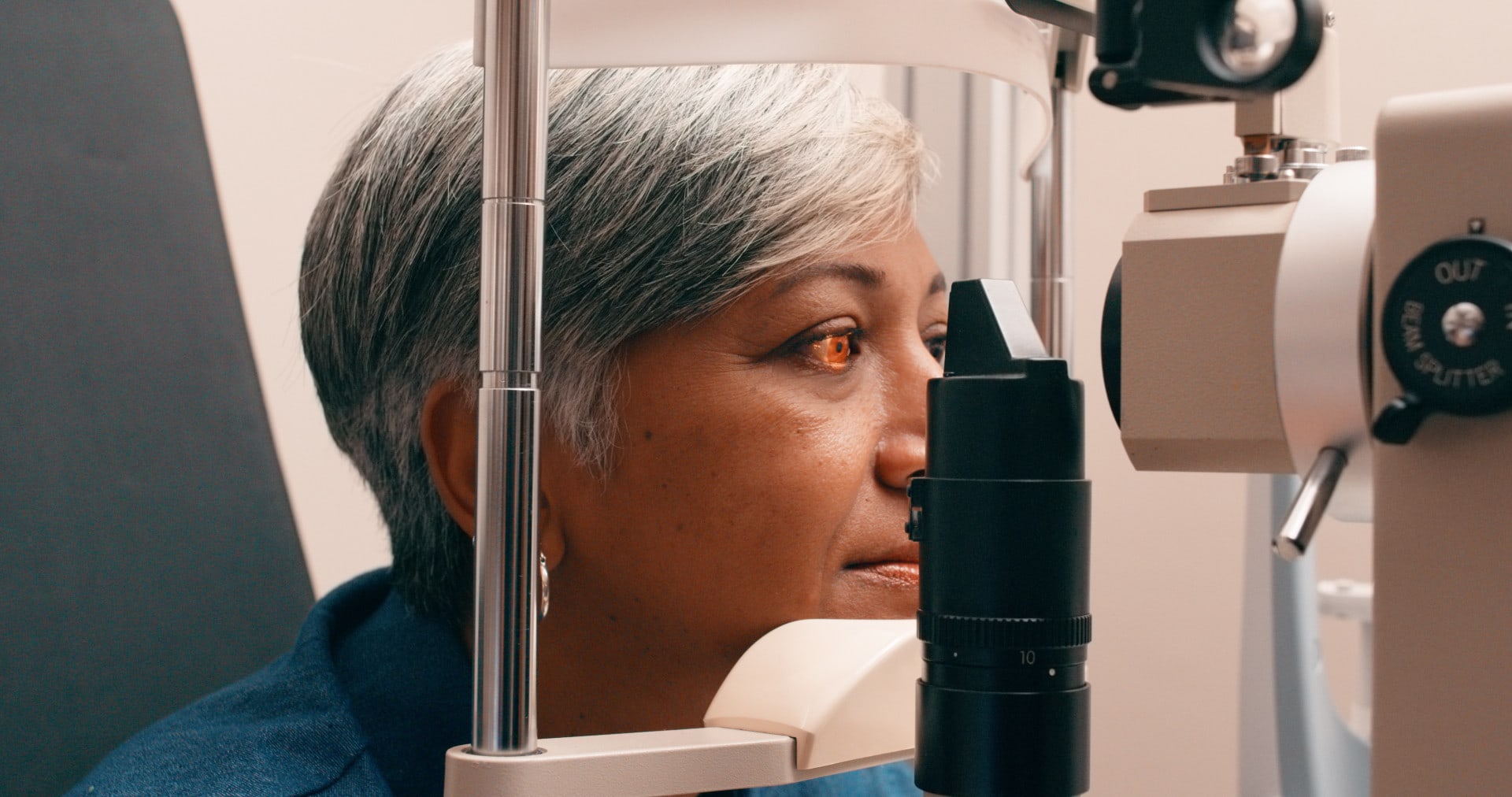
Three recently published studies from Cedars-Sinai investigators have deepened knowledge of how changes in the eye are linked to indicators of Alzheimer’s disease in the brain.
To establish a noninvasive eye test as a potential tool for early detection of Alzheimer's disease.
Key Findings:
Higher levels of abnormal tau in the retina correlate with tau levels in the brain and cognitive decline.
Patients with mild cognitive impairment had two to three times more amyloid plaques near blood vessels in the retina compared to those with normal cognition.
Additional retinal biomarkers for Alzheimer's include reduced blood flow and inflammation.
Interpretation:
The findings suggest that retinal changes can serve as indicators for early Alzheimer's diagnosis, potentially leading to earlier interventions.
Limitations:
The studies involved a limited number of participants.
Further validation in larger, diverse populations is needed.
Conclusion:
The research supports the development of noninvasive imaging technology for early Alzheimer's detection, which could enhance patient screening and treatment monitoring.