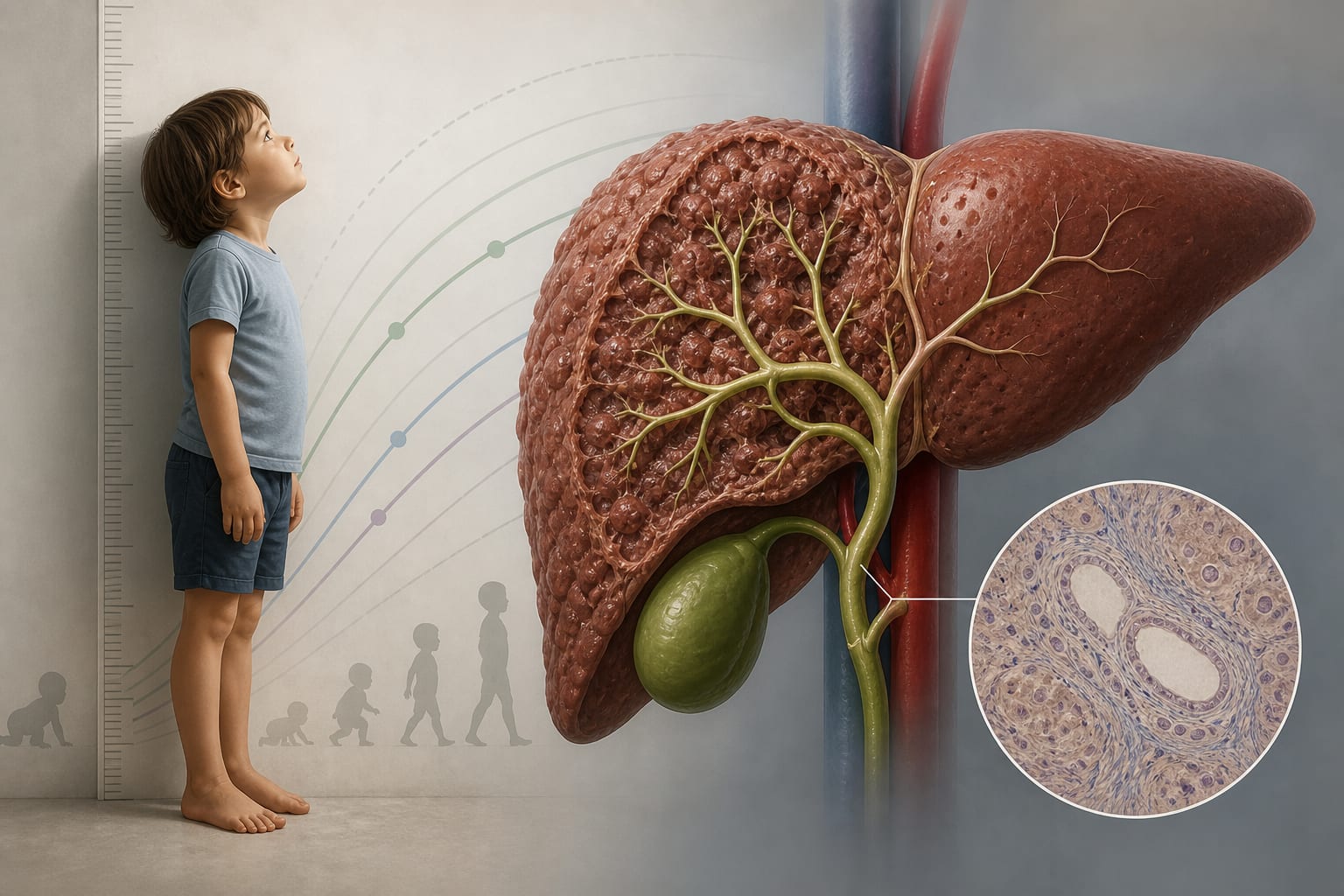
To highlight the urgent need for improved screening and treatment of hepatitis C virus (HCV) in pediatric populations, particularly those perinatally exposed and other at-risk groups.
Approach:
Key Findings:
42% of perinatally exposed infants were tested for HCV, with a decline in testing rates.
81.6% of children born with confirmed perinatal HCV were linked to care, but only 29% received treatment.
65.8% had genotype testing.
Direct-acting antiviral therapy is FDA-approved for young children and is both effective and safe.
Interpretation:
The study underscores the critical need for enhanced screening and treatment protocols for HCV in children, especially those at high risk due to perinatal exposure, highlighting the consequences of current inadequacies.
Limitations:
Inadequate screening and treatment rates for HCV in pediatric populations.
Challenges in accessing regular pediatric and prenatal care for at-risk families.
Lack of comprehensive data on socioeconomic factors affecting care.
Conclusion:
Improving HCV testing and treatment in children can significantly reduce the long-term health risks associated with the virus, and current epidemiological studies can motivate necessary public health actions to address these urgent needs.