To investigate the relationship between the Uric Acid to HDL Cholesterol Ratio (UHR) and all-cause as well as cardiovascular mortality in patients with gout.
Key Findings:
Higher UHR is associated with increased risk of all-cause and cardiovascular mortality in gout patients, with statistical significance values included. UHR serves as a more effective predictor of mortality compared to UA or HDL-c alone.
Interpretation:
The findings suggest that UHR could be a valuable biomarker for assessing mortality risk in gout patients, highlighting the importance of monitoring uric acid and HDL-c levels. Elaborate on the implications of UHR as a biomarker.
Limitations:
Study relies on self-reported gout diagnosis, which may introduce bias. Specify the potential impact of this bias on results. Potential confounding factors not accounted for in the analysis.
Conclusion:
UHR is a promising composite biomarker that may help in predicting mortality outcomes in gout patients, warranting further research to validate its clinical utility. Emphasize the need for future research more explicitly.
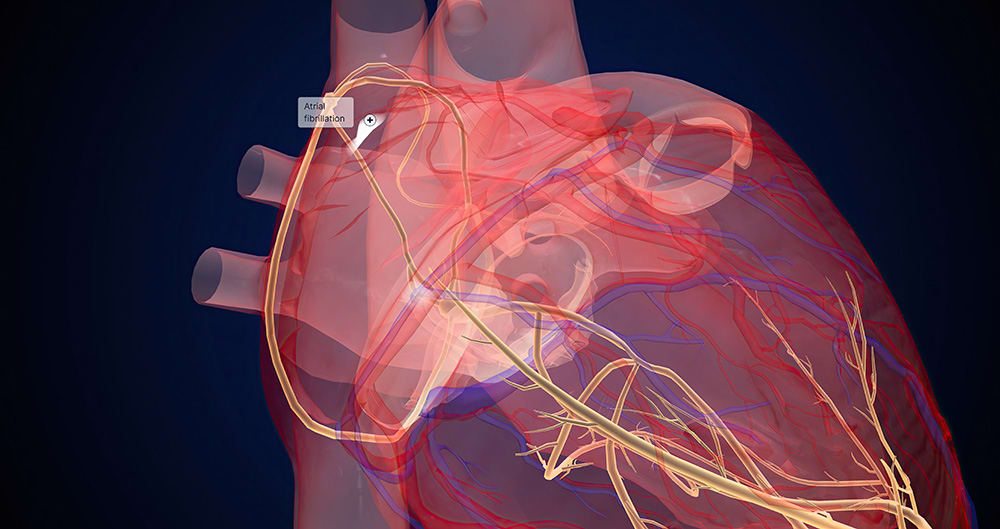
Keck Medicine of USC cardiothoracic surgeon Jonathan Praeger, MD, explains how a less-invasive approach to epicardial ablation helps resolve longstanding persistent AFib.