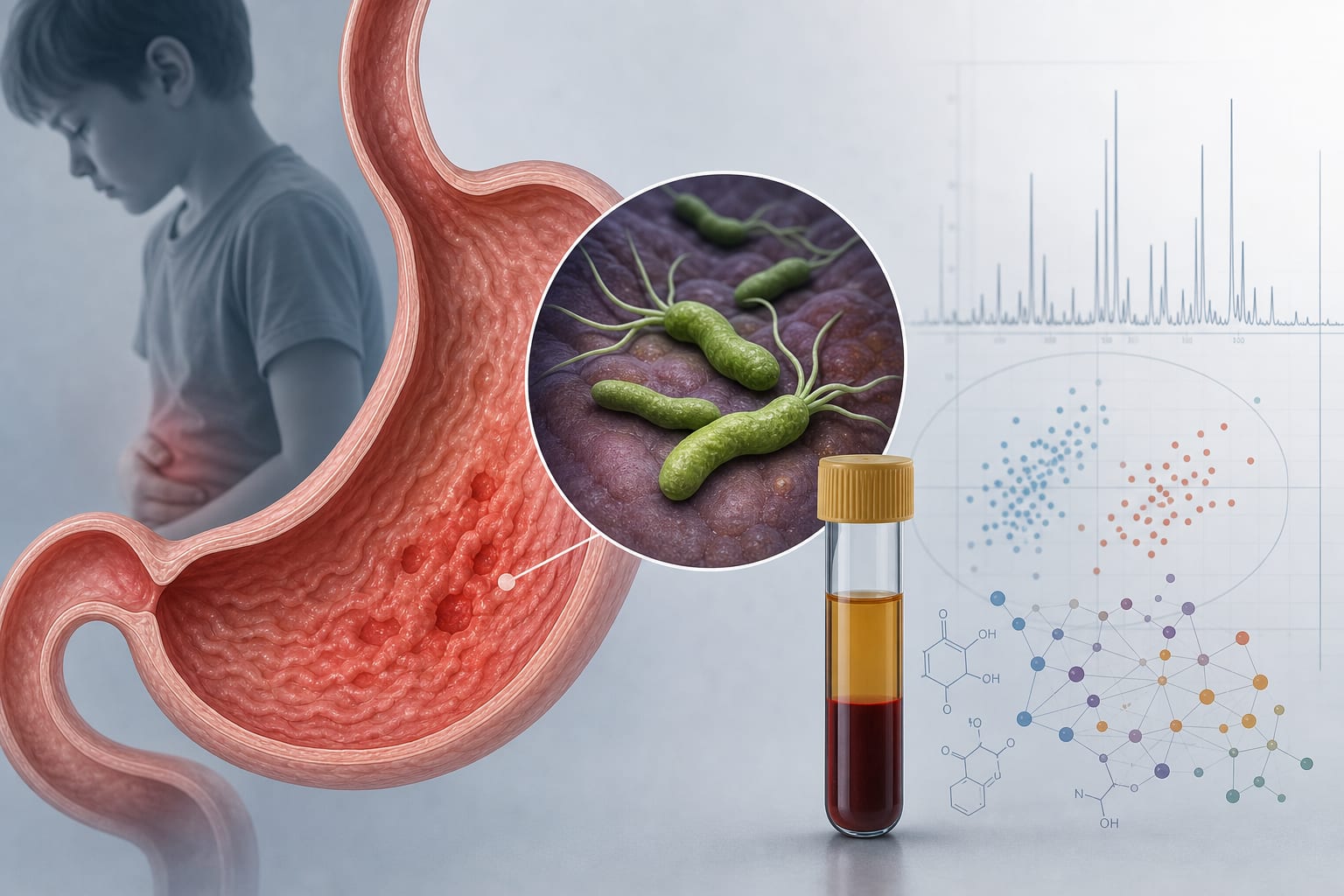
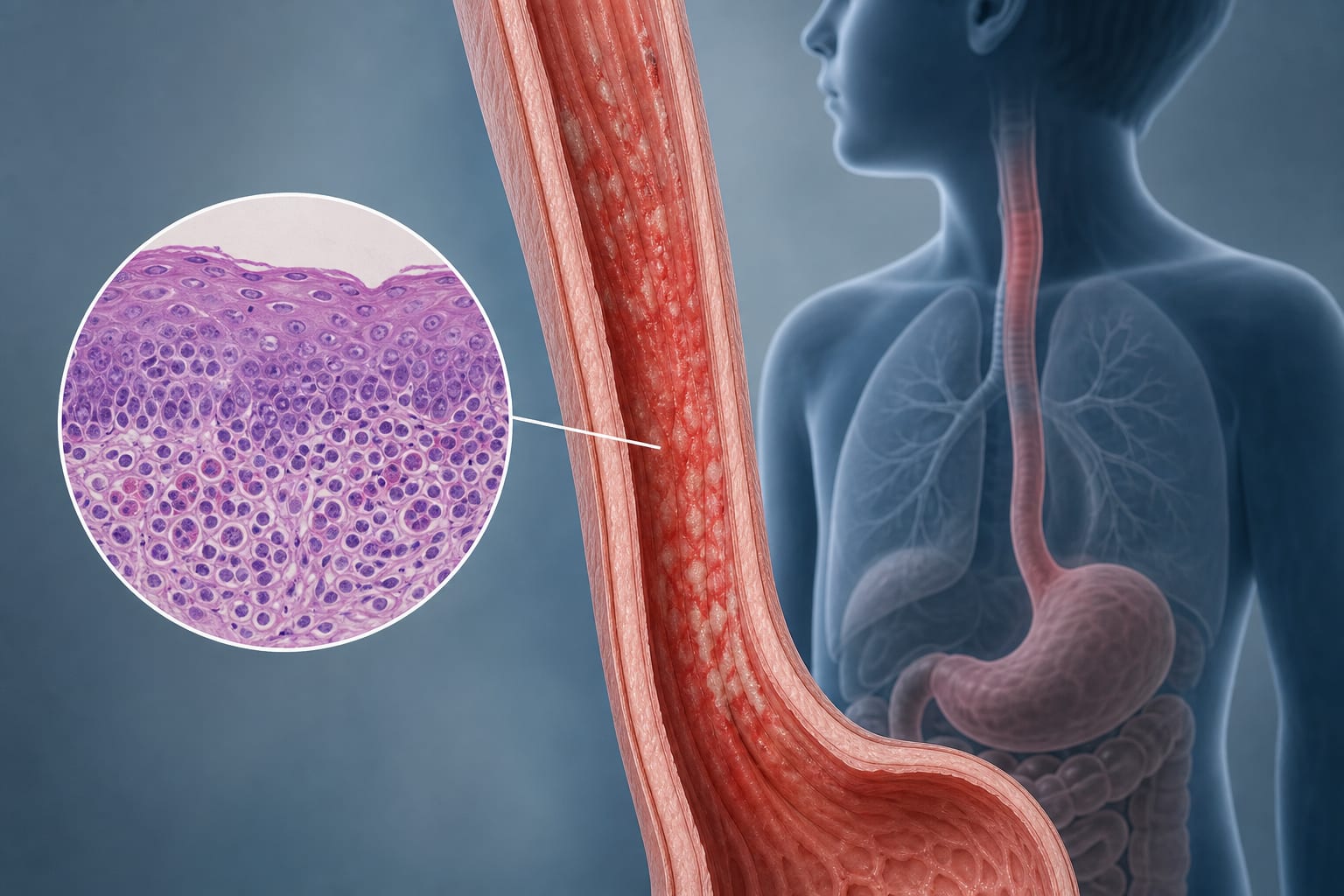
To analyze metabolomic biomarkers in the sera from children with specific dyspeptic symptoms infected with H. pylori and in a control group of healthy children not exposed to H. pylori.
Approach:
Key Findings:
Seven metabolites were identified that differentiate the serum samples of H. pylori-infected children from uninfected children, including carboxyethyl lysine, gamma-Glutamylleucine, 13-HOTrE(y), 13-HODE, lauroylcarnitine, vitamin A, and 19_norandrosterone, each linked to immune regulation, energy metabolism, lipid metabolism, oxidative stress, and cell signaling.
Interpretation:
The findings suggest potential metabolic changes associated with H. pylori infection in children, highlighting the need for further validation through direct immune measurements and longitudinal studies.
Limitations:
The study is exploratory and requires further validation of the proposed methodology, emphasizing the need to confirm the connection between the selected metabolites and H. pylori infection.
Conclusion:
Preliminary results indicate differences in serum metabolomic profiles between H. pylori-infected and uninfected children, warranting further investigation.
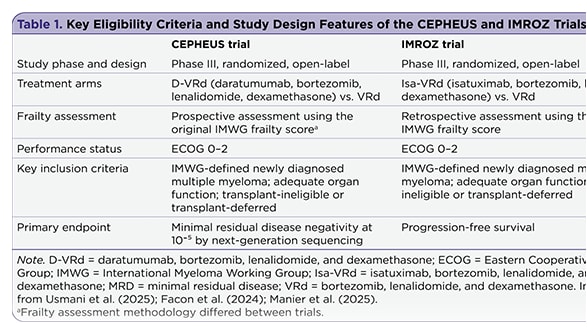
The management of newly diagnosed transplant-ineligible multiple myeloma remains challenging, in part due to the complexity of treatment decisions for frail patients. Recent subgroup analyses provide insight into whether quadruplet therapy may offer advantages over triplet therapy in this population.