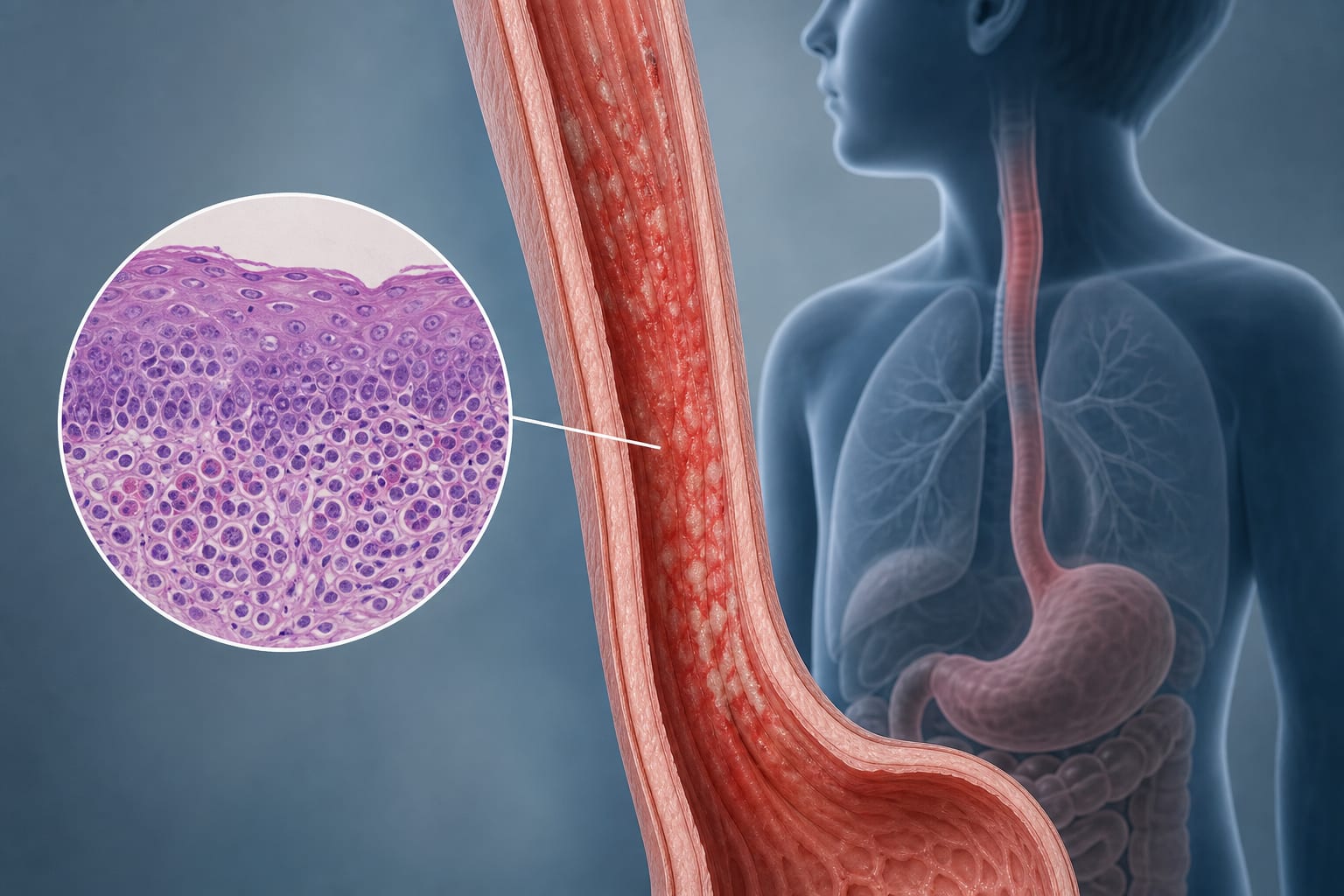
To summarize the clinical utility of a cholestasis gene panel in diagnosing genetic causes of cholestasis in over 10,000 patients, emphasizing the significance of genetic factors.
Key Findings:
Out of 10,894 samples, 51.1% were from patients under 1 year old, and 9.2% were from patients over 18 years old.
Diagnostic yield was 6.8% for definitive diagnoses and 2.2% for potential diagnoses.
Common definitive findings were in genes JAG1, SERPINA1, ABCC2, ABCB11, CFTR, POLG, and NOTCH2.
Interpretation:
The cholestasis gene panel is effective in diagnosing complex genetic causes of cholestasis, particularly in infants, facilitating timely interventions and suggesting areas for future research.
Limitations:
The study did not include patients with extrahepatic disorders.
Potential biases in retrospective data collection may impact the findings.
Conclusion:
The findings highlight the importance of genetic testing in cholestasis diagnosis, supporting early detection and management strategies, and suggesting broader implications for clinical practice.