Proteins at the intersection of circadian rhythms and metabolic dysfunction-associated steatotic liver disease: an 18-protein panel as a novel predictive biomarker set - Summary - MDSpire
Advertisement
Proteins at the intersection of circadian rhythms and metabolic dysfunction-associated steatotic liver disease: an 18-protein panel as a novel predictive biomarker set
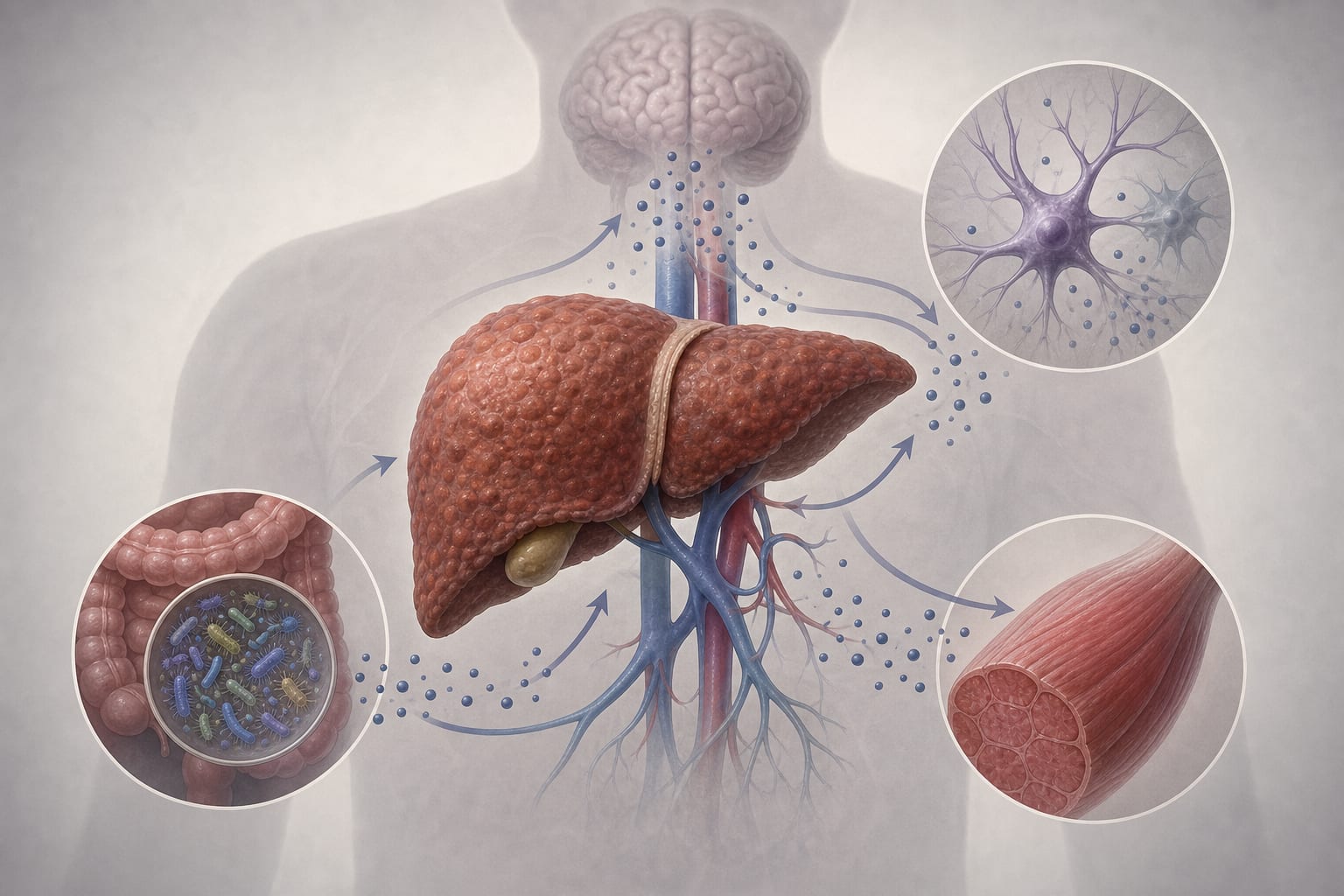
To explore the relationship between circadian rhythm disruption and Metabolic Dysfunction-Associated Steatotic Liver Disease (MASLD) and identify potential protein biomarkers for predicting MASLD risk, which could enhance early detection and treatment strategies.
Key Findings:
Lower RA was significantly associated with a higher prevalence of MASLD (crude OR = 2.61; 95% CI [2.42, 2.81]; adjusted OR = 1.15; 95% CI [1.02, 1.31]).
Eighteen candidate proteins were identified as potential biomarkers for RA-related MASLD.
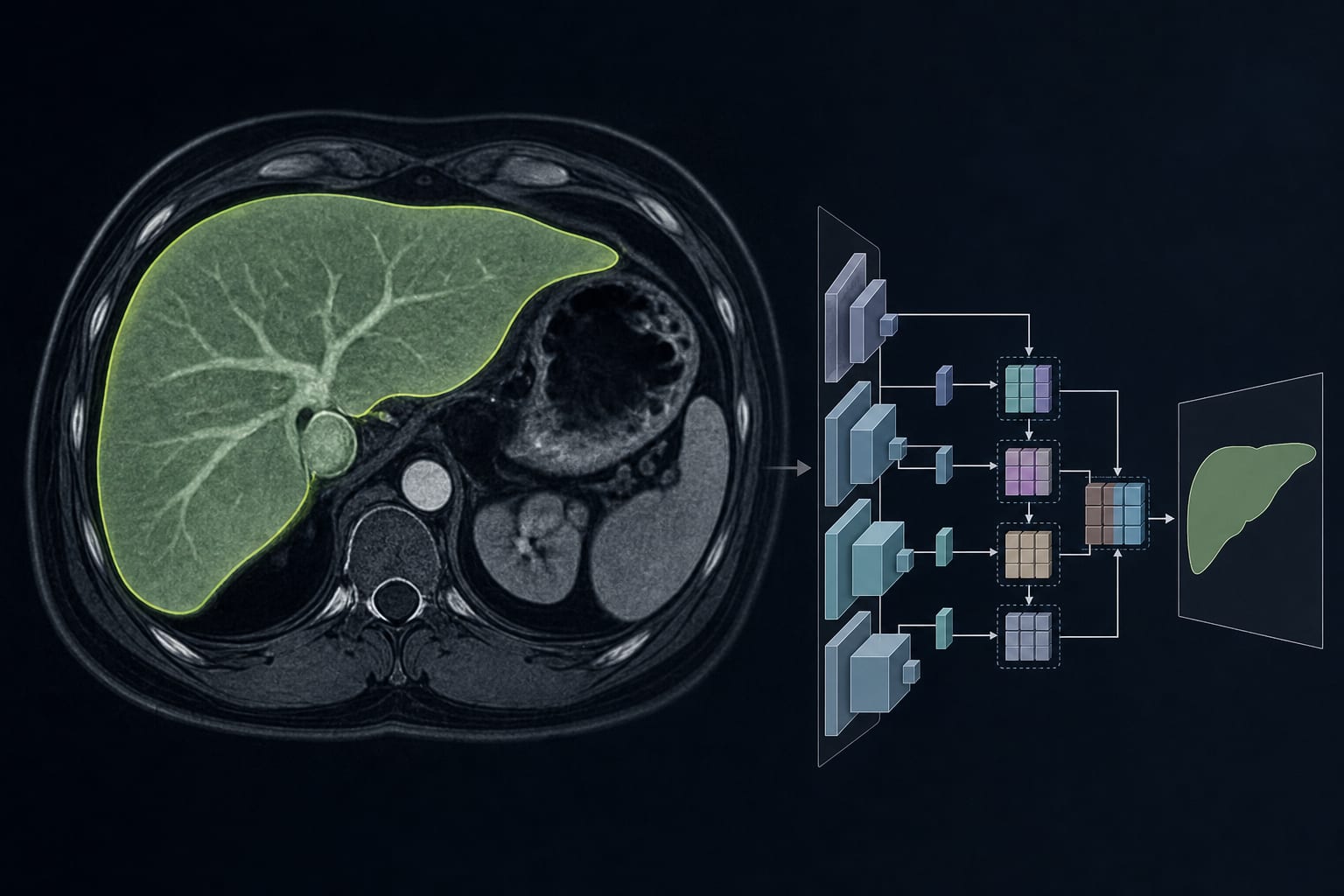
The 18-protein model demonstrated high predictive capability with AUC values exceeding 0.94 across various machine learning techniques.
Interpretation:
The study confirms that lower RA is independently linked to MASLD and highlights 18 overlapping plasma proteins as promising biomarkers for predicting RA-related MASLD, suggesting avenues for future research and clinical applications.
Limitations:
The study relies on observational data, which may limit causal inferences.
Potential confounding factors not accounted for in the analysis could affect results.
Findings may not be generalizable beyond the UK Biobank population.
Conclusion:
The findings suggest that monitoring circadian rhythm through RA and the identified protein biomarkers could provide new avenues for predicting and potentially treating MASLD.
Mayo Clinic Children's delivers comprehensive care for children with liver disease, from early evaluation and second opinions to advanced therapies and pediatric liver transplantation.