DRY EYE: Looking at intense pulsed light - Summary - MDSpire
Coming Soon: Introducing MDSpire News. Learn more
Conexiant’s news site is now MDSpire News. Learn more

DRY EYE: Looking at intense pulsed light

  • By

  • Cecelia Koetting, OD, FAAO

  • April 1, 2024

  • 4 min

Share

Objective:

To explore the application of intense pulsed light (IPL) therapy for patients with dry eye disease (DED).

Approach:
  • Mechanism of Action: IPL delivers light energy in different wavelengths to treat inflammation, improve meibomian gland function, and reduce bacterial and Demodex blepharitis.
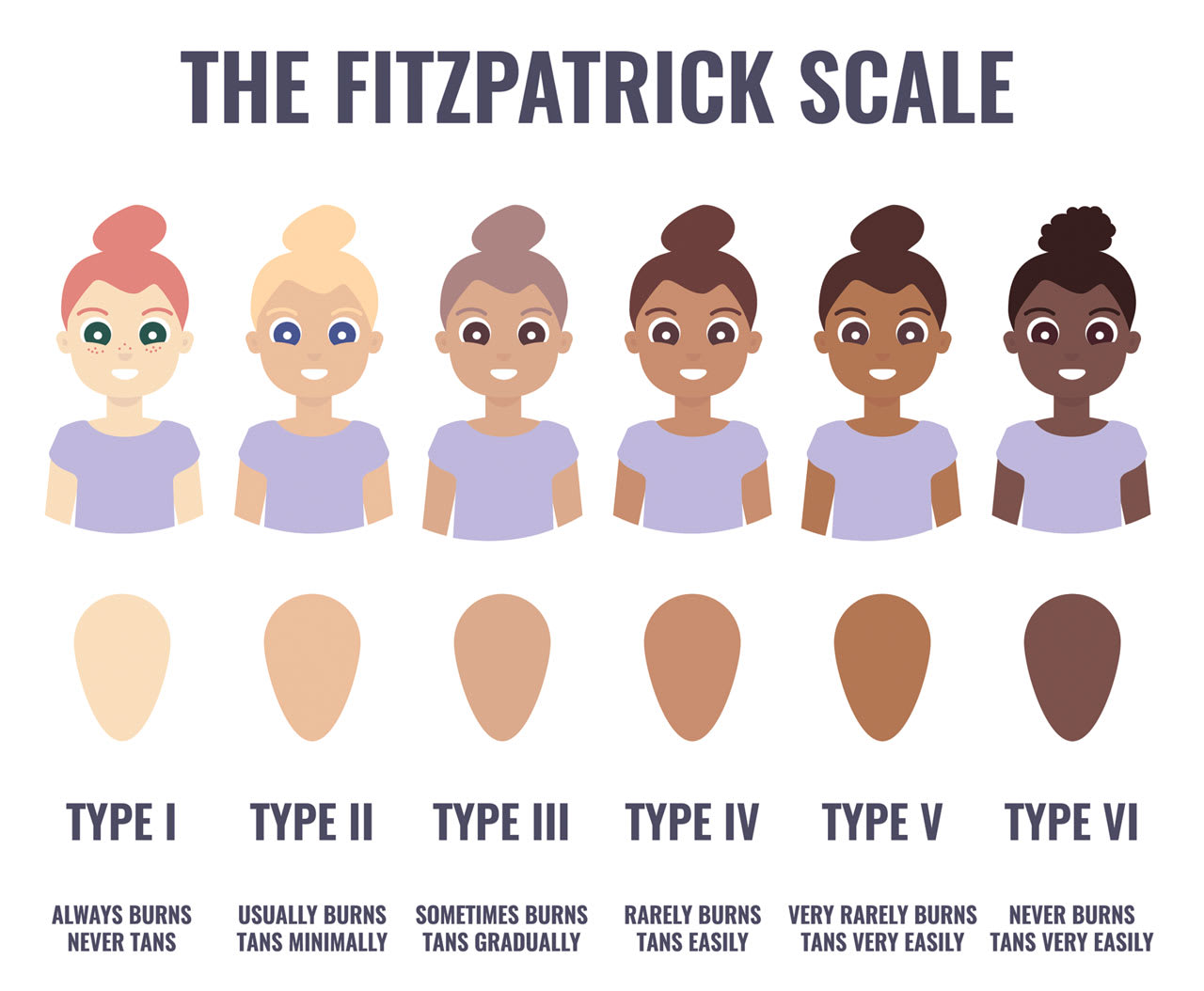
  • Patient Candidacy: Candidates include patients with Fitzpatrick skin types I to IV who have issues like rosacea and meibomian gland dysfunction. Those with skin types V and VI are at higher risk for burns.
  • Patient Education: Patients should be informed about the causes of MGD and how IPL can help improve meibomian gland function and reduce symptoms.
Key Findings:
  • IPL improves meibomian gland function and structure, enhancing meibum quality.
  • Patients with active sunburn, healing wounds, or ocular infections should not undergo IPL treatment.
  • Initial treatment involves 3 to 4 sessions, with potential touch-ups every 3 to 6 months.
Interpretation:

Limitations:
  • More research is needed for IPL use in patients with Fitzpatrick skin types V and VI.
  • Patients on photosensitive medications or with certain skin conditions may require treatment postponement.
Conclusion:

Sources:

Original Source(s)

Related Content