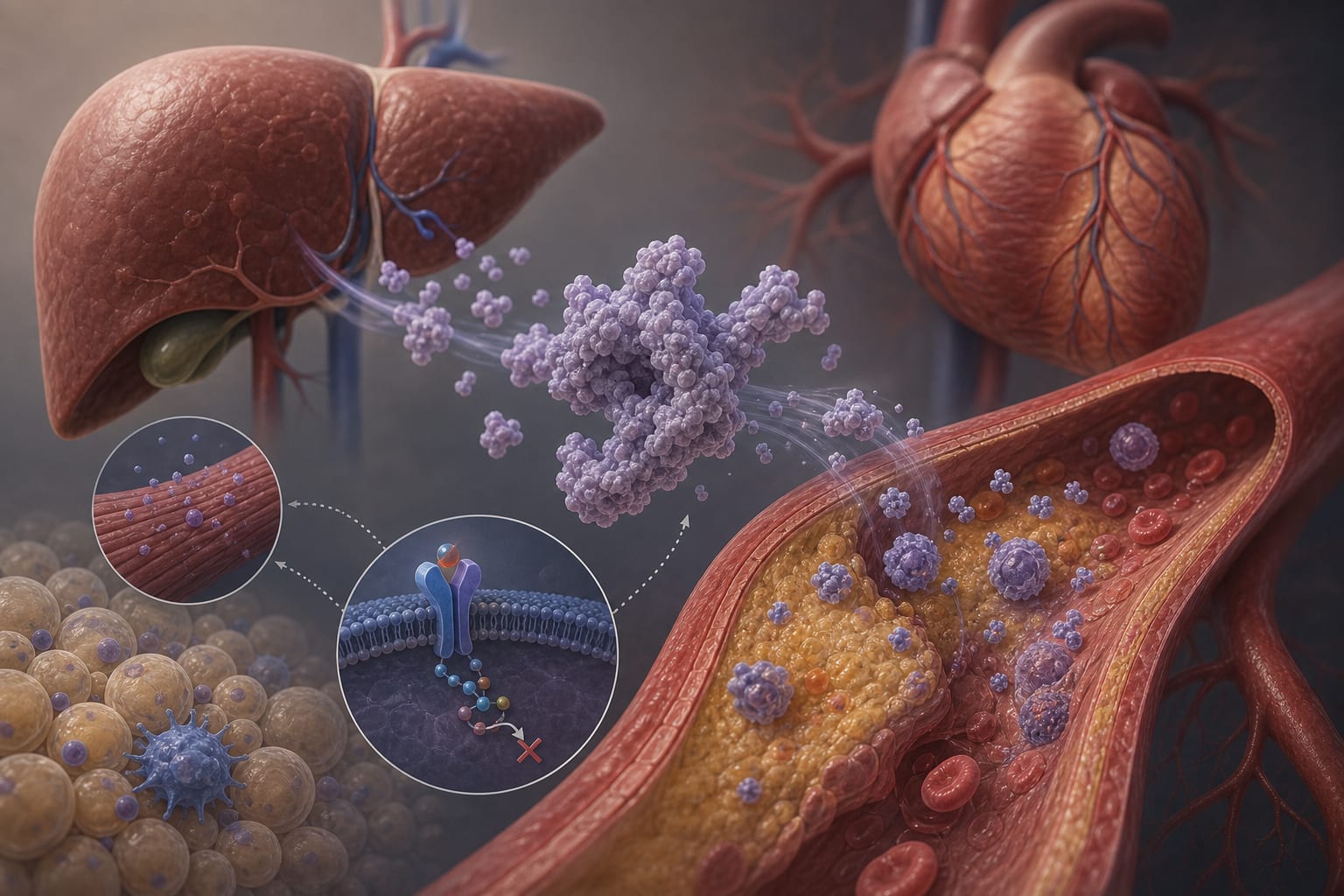
To explore metabolic differences among patients with coronary artery calcification (CAC), chronic coronary syndrome (CCS), and healthy controls.
Approach:
Study Design: A study involving 30 patients with CCS, 30 with CAC, and 30 healthy controls was conducted. Plasma parameters were statistically analyzed, and metabolomics analysis was performed.
Metabolite Analysis: Ultra-High Performance Liquid Chromatography coupled with Q Exactive Mass Spectrometer (UHPLC-QE-MS) was used to explore plasma metabolites.
Key Findings:
Serum creatinine and fasting glucose levels were significantly increased in the CAC group.
Blood urea nitrogen levels were significantly higher in both the CAC and CCS groups compared to the Control group.
Oleic acid and arachidonic acid were identified as metabolites contributing to the separation between CAC patients and healthy controls.
Interpretation:
Plasma metabolite profiles differ among CAC, CCS, and healthy controls, suggesting potential metabolic alterations associated with these conditions.
Limitations:
The study involved a small sample size of 30 patients per group.
All patients were treatment-naive, which may limit the generalizability of findings.
Conclusion:
The identified metabolites may help distinguish CAC patients from those with CCS and healthy controls, providing insights into metabolic alterations.