To explore strategies for developing allogeneic T cell therapies that evade rejection by host immune systems, particularly focusing on the role of natural killer (NK) cells in this process.
Key Findings:
Allogeneic T cell therapies can broaden patient eligibility and reduce manufacturing time, making treatments more accessible.
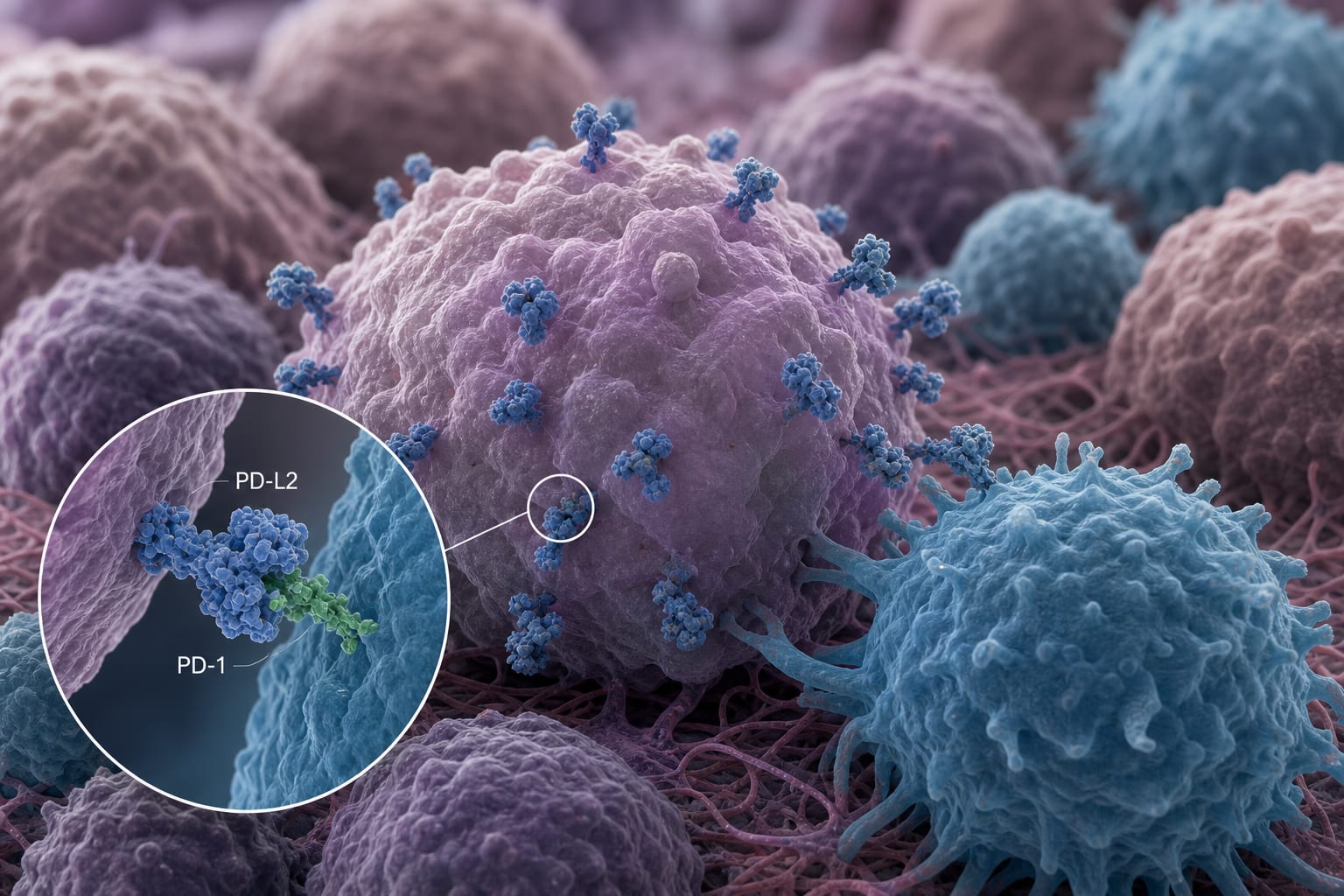
Ablation of HLA-I and HLA-II molecules helps avoid T cell recognition but increases susceptibility to NK cell-mediated rejection, highlighting a critical trade-off.
HLA-E overexpression in CAR-T cells shows promise in pre-clinical models for evading NK cell responses, suggesting a viable path forward for clinical applications.
Interpretation:
The development of universal T cell therapies is progressing, with strategies to mitigate immune rejection being essential for their successful implementation in clinical settings.
Limitations:
Alloreactivity remains a significant barrier to universal T cell therapies, necessitating ongoing research.
Genetic modifications may introduce new challenges or risks in immune response, such as unforeseen interactions with host immune mechanisms.
Conclusion:
Innovative strategies, particularly involving HLA-E, may facilitate the successful implementation of universal T cell therapies, potentially standardizing treatment options for various cancers and improving patient outcomes.