To explore the role of semantics in reading impairments, specifically focusing on patients with aphasia and alexia following dominant hemisphere middle cerebral artery (MCA) stroke.
Key Findings:
Patients with aphasia show exaggerated advantages for high imageability and regular words compared to controls, indicating a reliance on semantic processing.
Semantic-phonology mapping significantly correlates with reading accuracy for highly imageable words in aphasia, supporting the semantic support hypothesis.
A temporo-parietal network is involved in semantic-phonology mapping, which helps explain central alexia in left MCA stroke patients.
Interpretation:
The findings suggest that preserved semantic representations in patients with aphasia can support reading, particularly when phonological systems are impaired.
Limitations:
The study's sample size is relatively small, which may limit the generalizability of the findings to broader populations.
The focus on specific types of reading impairments may overlook other contributing factors, such as individual differences in cognitive processing.
Conclusion:
Rehabilitation strategies should leverage preserved semantic abilities to enhance reading recovery in patients with phonological impairments, emphasizing the importance of tailored interventions.
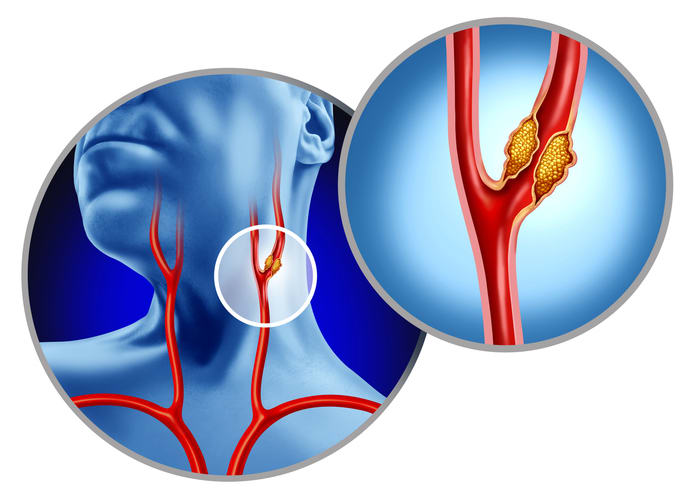
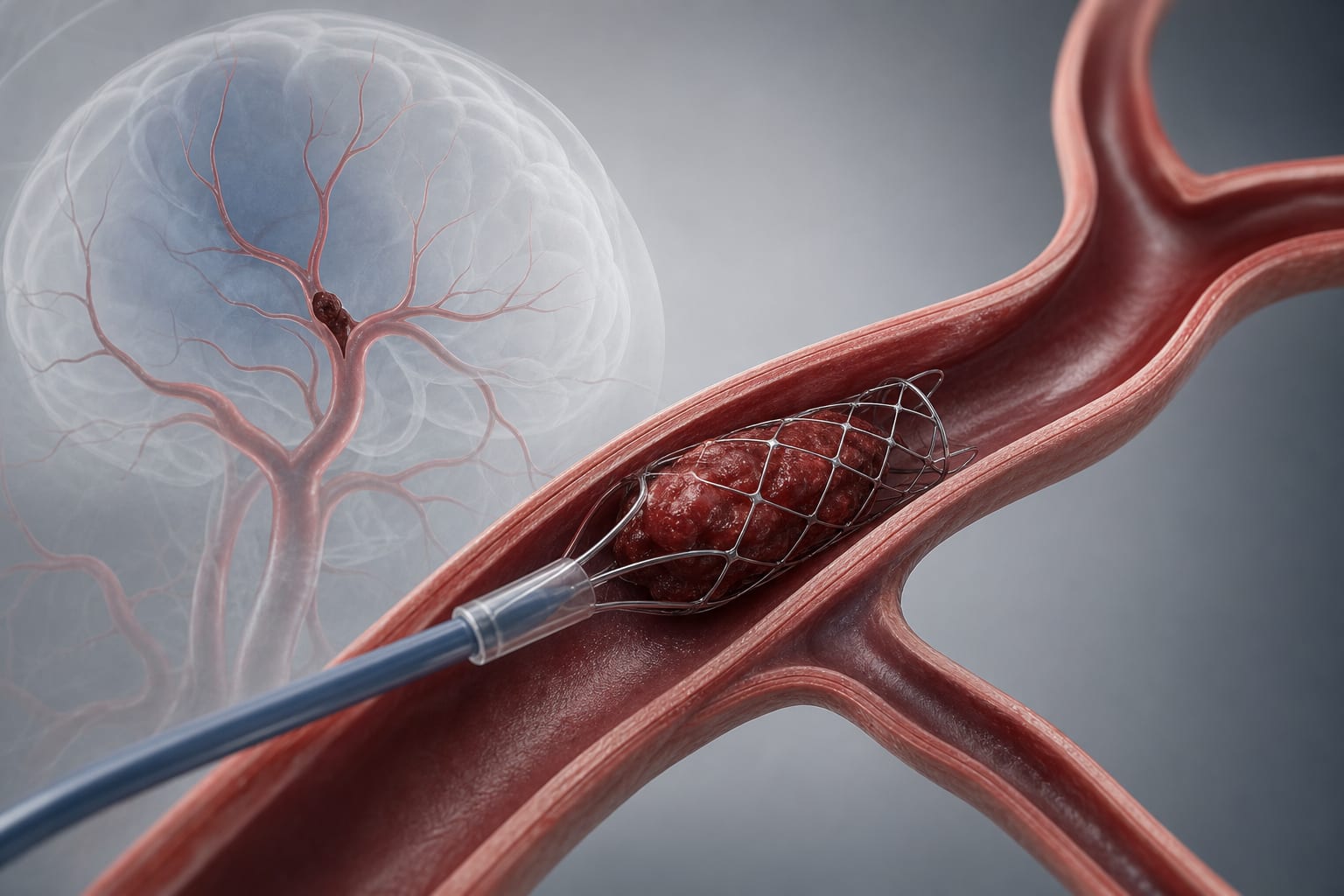
In this procedural case review, vascular surgeon Dr. Samuel Steerman performs a right carotid endarterectomy on a woman in her 60s who experienced a stroke related to carotid artery plaque.