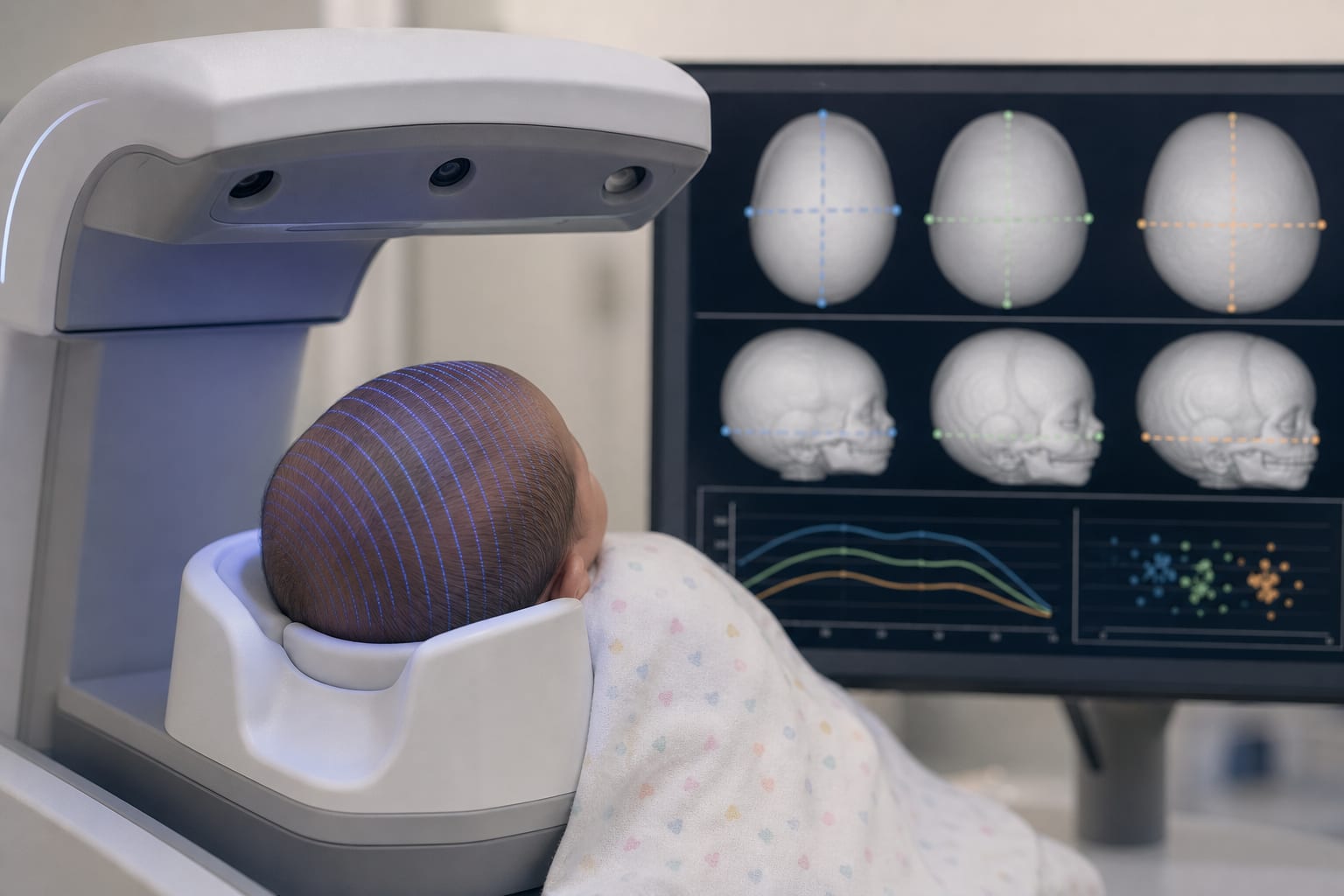
To investigate the epidemiological characteristics of the detection rate of postural cranial abnormality in preterm infants, emphasizing the importance of early diagnosis and intervention timing.
Key Findings:
Postural cranial abnormality was detected in 1,420 out of 2,165 preterm infants.
The highest detection rate was in the 0–2 month group (81.2%, 371/457), followed by the 5–6 month group (74.2%, 495/667), and the lowest in the 3–4 month group (53.2%, 552/1,041).
Detection rates for plagiocephaly fluctuated in a 'V' shape across age groups, while brachycephaly detection increased with age.
Scaphocephaly detection significantly decreased from 0–2 months to 5–6 months.
Interpretation:
The high incidence of postural cranial abnormality among Chinese preterm infants, particularly plagiocephaly, underscores the urgent need for early and continuous intervention in clinical practice.
Limitations:
The study is limited to a specific population in Beijing, which may not be representative of all preterm infants, potentially affecting the generalizability of the findings.
The retrospective nature of the study may introduce biases in data collection.
Conclusion:
The study provides compelling evidence for incorporating cranial shape screening into routine follow-up for preterm infants and suggests advancing the intervention window to the corrected age of 0–2 months to improve outcomes.
The sunscreen ingredient, which has been marketed internationally for years, is considered generally recognized as safe and effective for use in adults and pediatric patients aged 6 months and older.