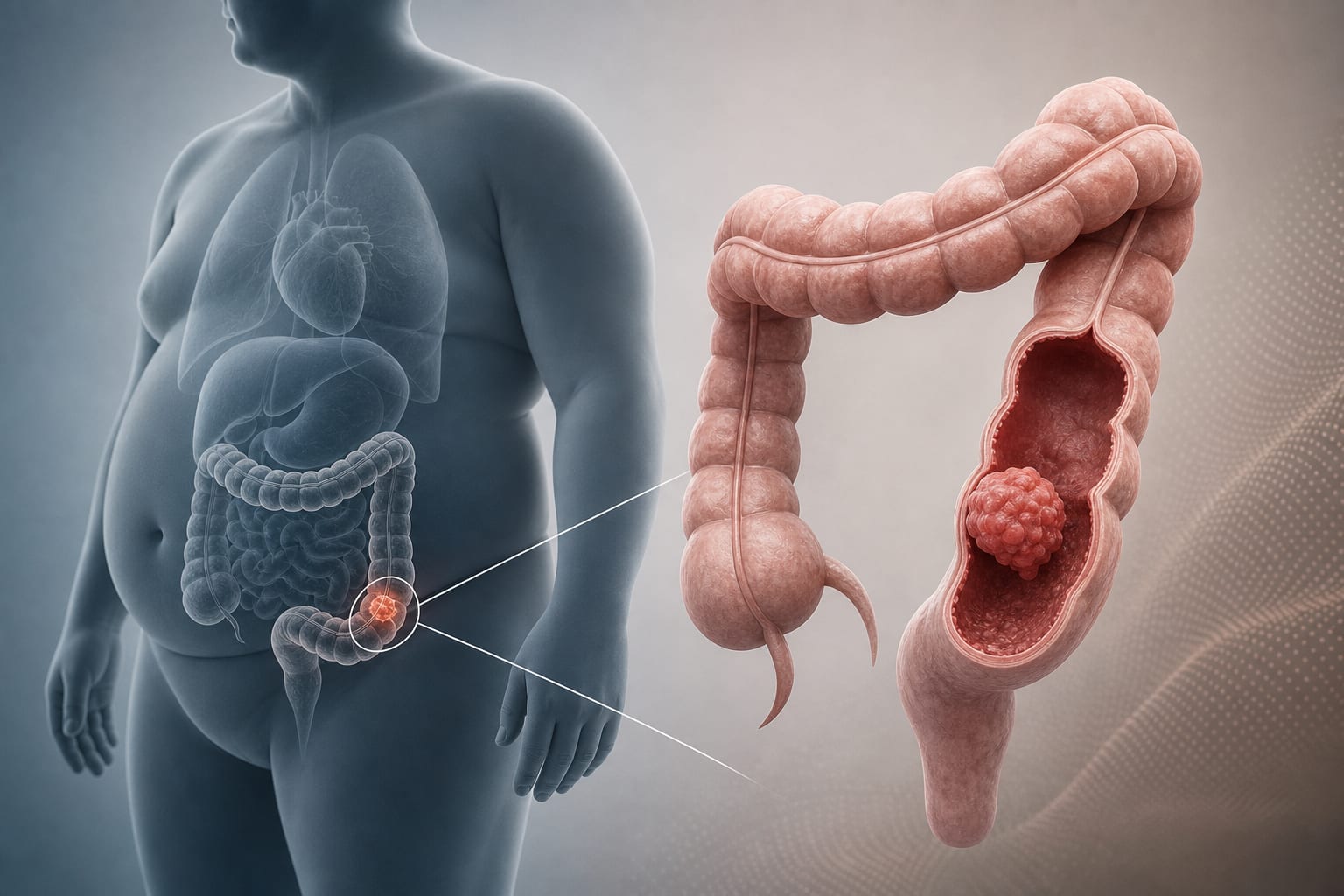
To examine the clinical features, therapeutic strategies, diagnostic techniques, and prognostic results linked to oxaliplatin-induced immune thrombocytopenia (OITP), a rare but significant complication.
Key Findings:
Median age of patients was 59 years (range, 36–83 years), with a female predominance (65.0%).
Colorectal cancer was the predominant primary malignancy (92.5%), and the most frequently administered chemotherapy regimen was FOLFOX (77.5%).
OITP onset typically occurred after the 9th chemotherapy cycle (range, 2–28 cycles), with severe thrombocytopenia (< 25×10^9/L) in 82.5% of patients.
Management included cessation of oxaliplatin (100%), platelet transfusion (62.5%), glucocorticoids (55.0%), and intravenous immunoglobulin (20.0%).
Overall recovery rate was 92.5%, with a median recovery duration of 7 days and a mortality rate of 7.5%.
Interpretation:
OITP is a serious immune-related complication of oxaliplatin that requires immediate recognition and management, as it can be misidentified as typical myelosuppression, emphasizing the need for clinical vigilance.
Limitations:
Lack of standardized protocols for managing OITP, which may lead to varied clinical practices.
Management strategies are primarily based on anecdotal evidence and empirical practices, highlighting the need for further research.
Conclusion:
Healthcare providers should be vigilant for signs of OITP following prolonged oxaliplatin treatment, and immediate cessation of the drug is crucial. Glucocorticoids and platelet transfusion are the primary management strategies, with plasma exchange as a potential option for severe cases, particularly in the context of systemic allergic manifestations.