To explore the role of endogenous retroviral elements (ERVs) in cancer and their potential impact on the efficacy of immune checkpoint inhibitors (ICIs), highlighting their significance in cancer immunotherapy.
Key Findings:
ERVs can be derepressed in cancer, leading to immune activation and potential therapeutic targets.
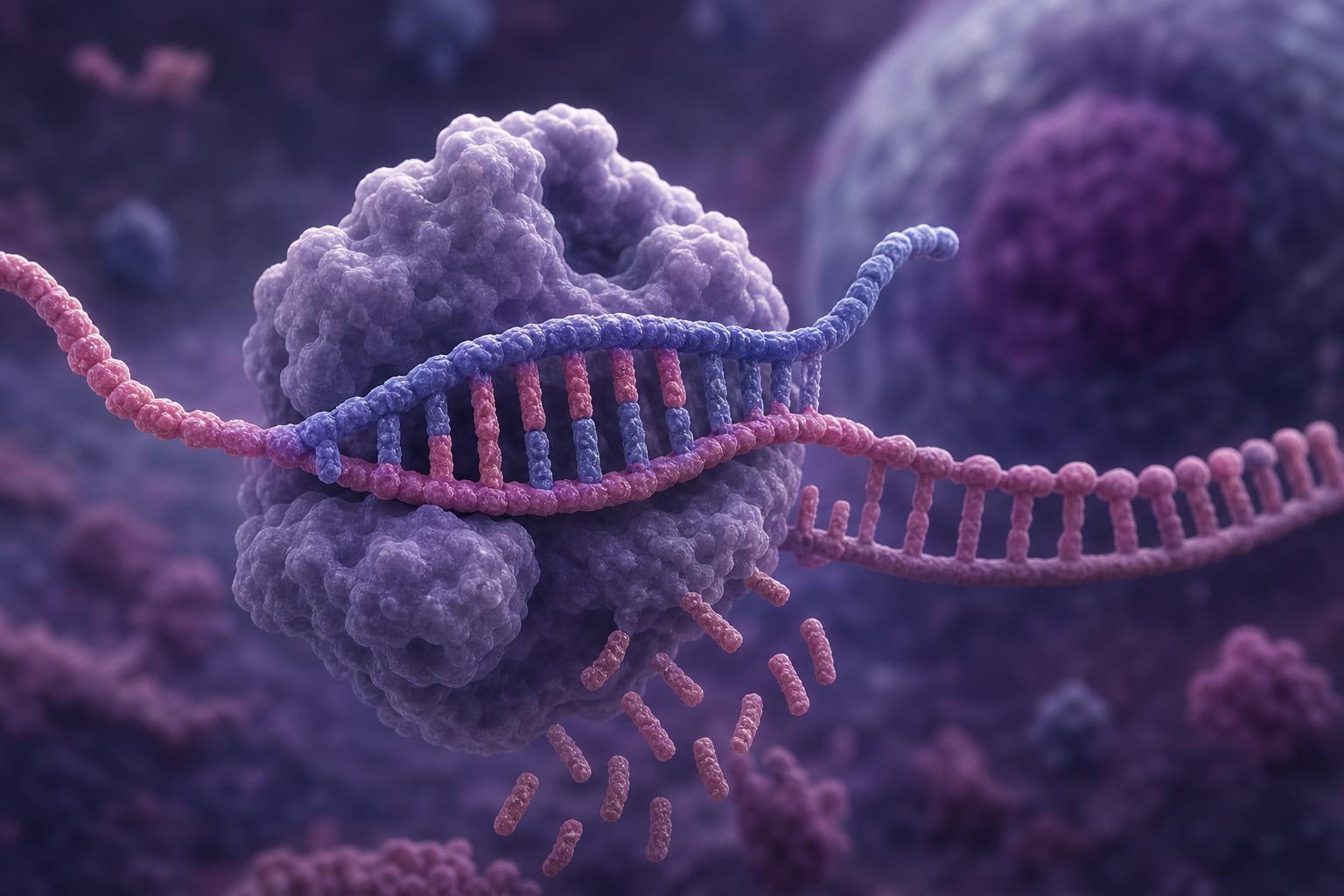
Accumulated dsRNA from ERVs activates type I interferons and enhances antigen processing, contributing to antitumor immunity.
ERV signatures may serve as biomarkers for ICI response, indicating a need for further validation.
Interpretation:
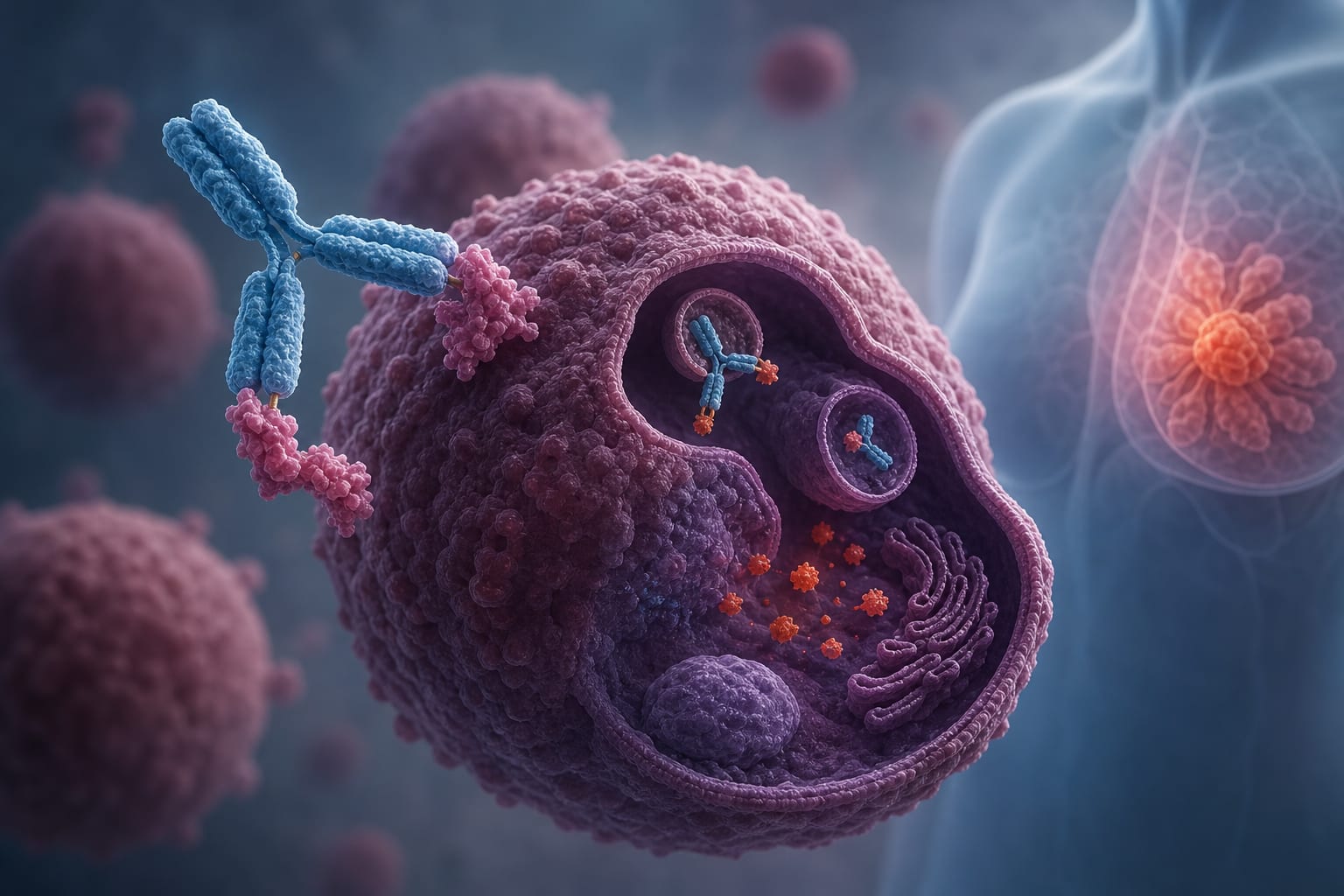
The reactivation of ERVs in tumors can enhance immune responses and potentially improve the efficacy of ICIs, suggesting a novel approach to cancer immunotherapy.
Limitations:
Need for assay standardization and prospective validation to ensure reliable clinical application.
Long-term safety of ERV-targeting therapies remains uncertain, necessitating thorough investigation.
Conclusion:
Harnessing ERVs could represent a promising strategy to improve ICI efficacy in cancer treatment.