To review the molecular mechanisms of resistance to current treatment options in diffuse large B-cell lymphoma (DLBCL) and highlight potential strategies for managing treatment resistance, emphasizing the significance of these mechanisms in improving patient outcomes.
Key Findings:
30-40% of DLBCL patients develop refractory or relapsed disease after initial treatment, indicating a significant challenge in management.
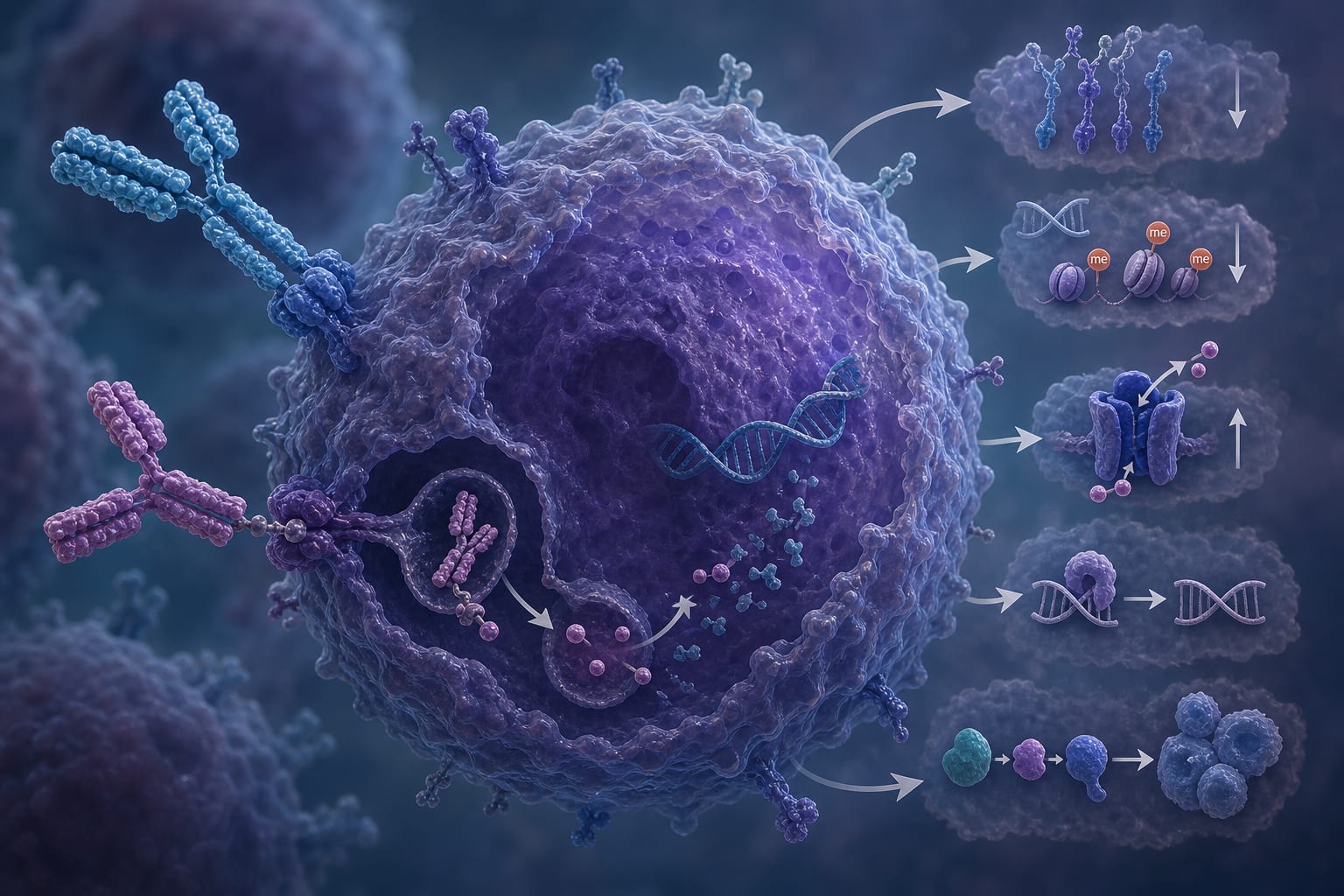
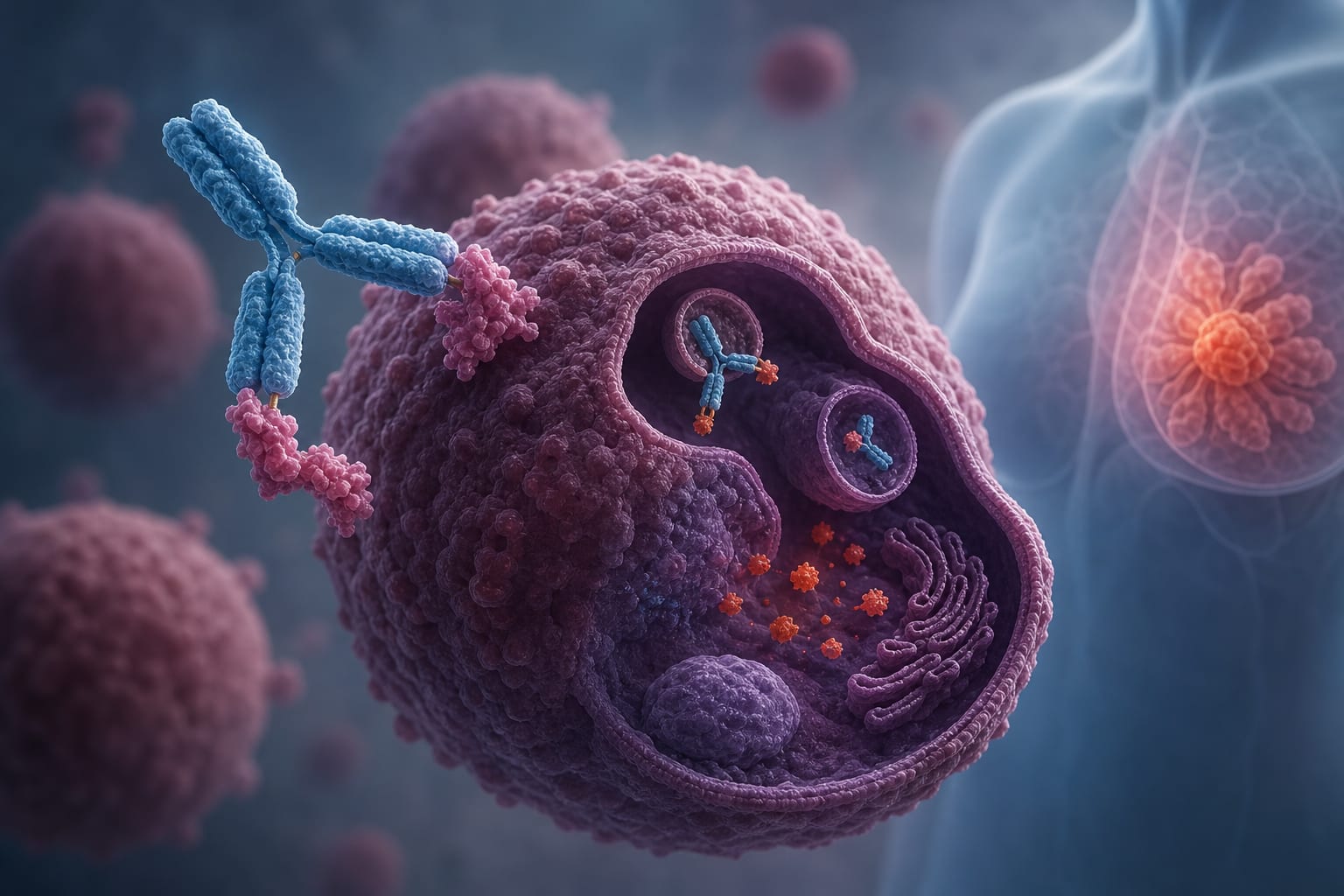
Resistance to polatuzumab vedotin is primarily due to low CD79B expression and high expression of ABC transporters, which may limit treatment efficacy.
Rituximab resistance is associated with alterations in the MS4A1 gene and downregulation of CD20 expression, highlighting the need for targeted interventions.
Interpretation:
Understanding the mechanisms of resistance is crucial for developing effective therapies and improving patient outcomes in DLBCL, as it directly informs the design of future treatment strategies.
Limitations:
The review may not cover all potential resistance mechanisms, such as those related to tumor microenvironment interactions.
Findings are based on retrospective analyses and may require further validation in larger cohorts to confirm their applicability.
Conclusion:
Elucidating resistance mechanisms and developing targeted therapies are essential for enhancing treatment efficacy in DLBCL, underscoring the need for ongoing research in this area.