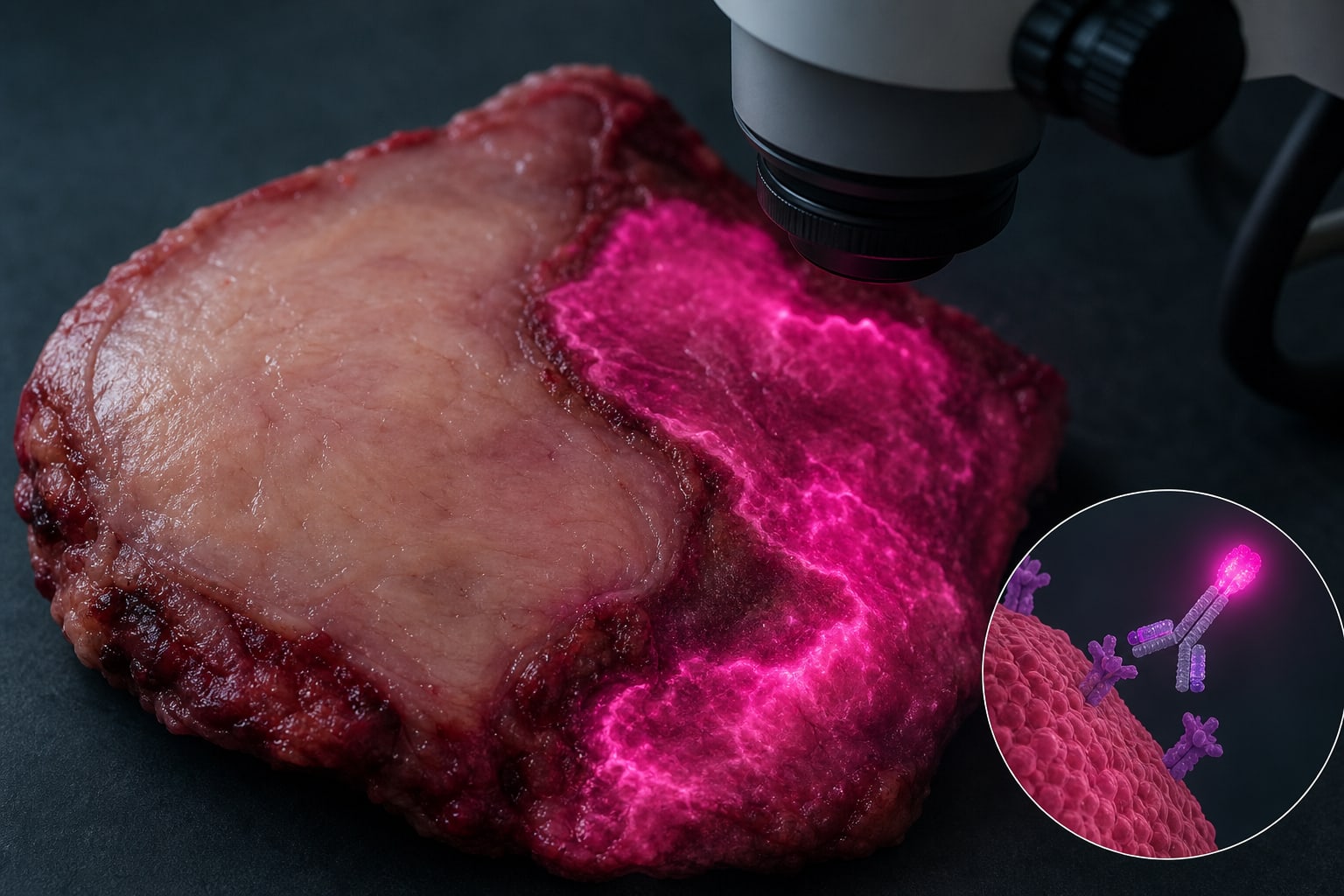
To evaluate the prognostic impact of Fusobacterium nucleatum in head and neck cancers, focusing on oncological outcomes such as survival, disease recurrence, and other relevant metrics.
Approach:
Key Findings:
Fusobacterium nucleatum is prevalent in head and neck squamous cell carcinoma (HNSCC) and may influence tumor behavior.
Conflicting results exist regarding the association of F. nucleatum with patient outcomes in HNSCC, highlighting the complexity of its role.
Some studies suggest that HNSCC patients with F. nucleatum have better survival rates, contrary to findings in colorectal cancer.
Interpretation:
The role of F. nucleatum in HNSCC prognosis is complex and requires further investigation into its mechanisms and potential as a biomarker.
Limitations:
Inconsistent findings across studies regarding the prognostic significance of F. nucleatum, including potential biases in study selection and data extraction processes.
Conclusion:
Further research is needed to reconcile conflicting evidence and better understand the implications of F. nucleatum in HNSCC prognosis, particularly in clinical contexts.