Conexiant’s news site is now MDSpire News. Learn more
Advertisement
A New Era for Pancreatic Cancer: How Baptist Health Research Helped Get Us Here
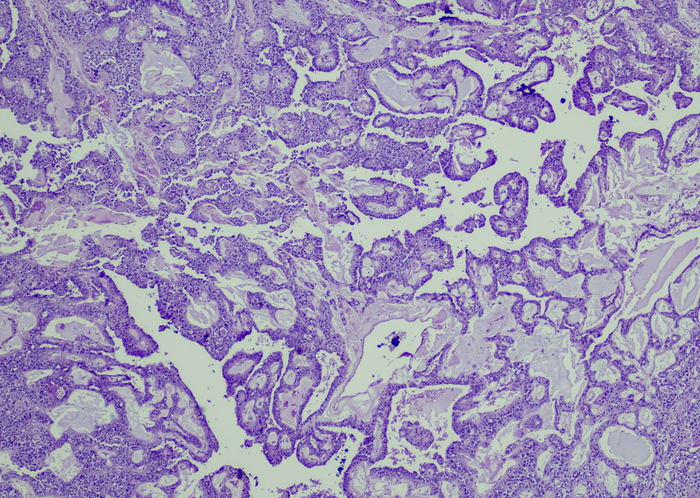
Pancreatic adenocarcinoma, the most common form of pancreatic cancer, accounts for roughly 90 to 95 percent of cases. It's notoriously difficult to catch early, because symptoms often don't appear until the disease has already spread
To highlight the FDA approval of daraxonrasib as a new treatment for metastatic pancreatic adenocarcinoma and the role of Baptist Health in its development.
Approach:
Research and Development: Baptist Health physicians contributed to the evidence generation for daraxonrasib, an oral targeted therapy for pancreatic cancer.
Clinical Trials: The FDA's approval was based on the RASolute 302 Phase 3 clinical trial comparing daraxonrasib to standard chemotherapy.
Key Findings:
Daraxonrasib showed a median overall survival of 13.2 months compared to 6.7 months with chemotherapy.
Patients on daraxonrasib had a 60% lower risk of death and nearly double the progression-free survival compared to those receiving chemotherapy.
Common side effects of daraxonrasib included rash, diarrhea, and nausea, but most were manageable.
Limitations:
Daraxonrasib is not a cure, and cancer cells may develop resistance over time.
Eligibility for treatment is determined individually based on diagnosis and tumor characteristics.