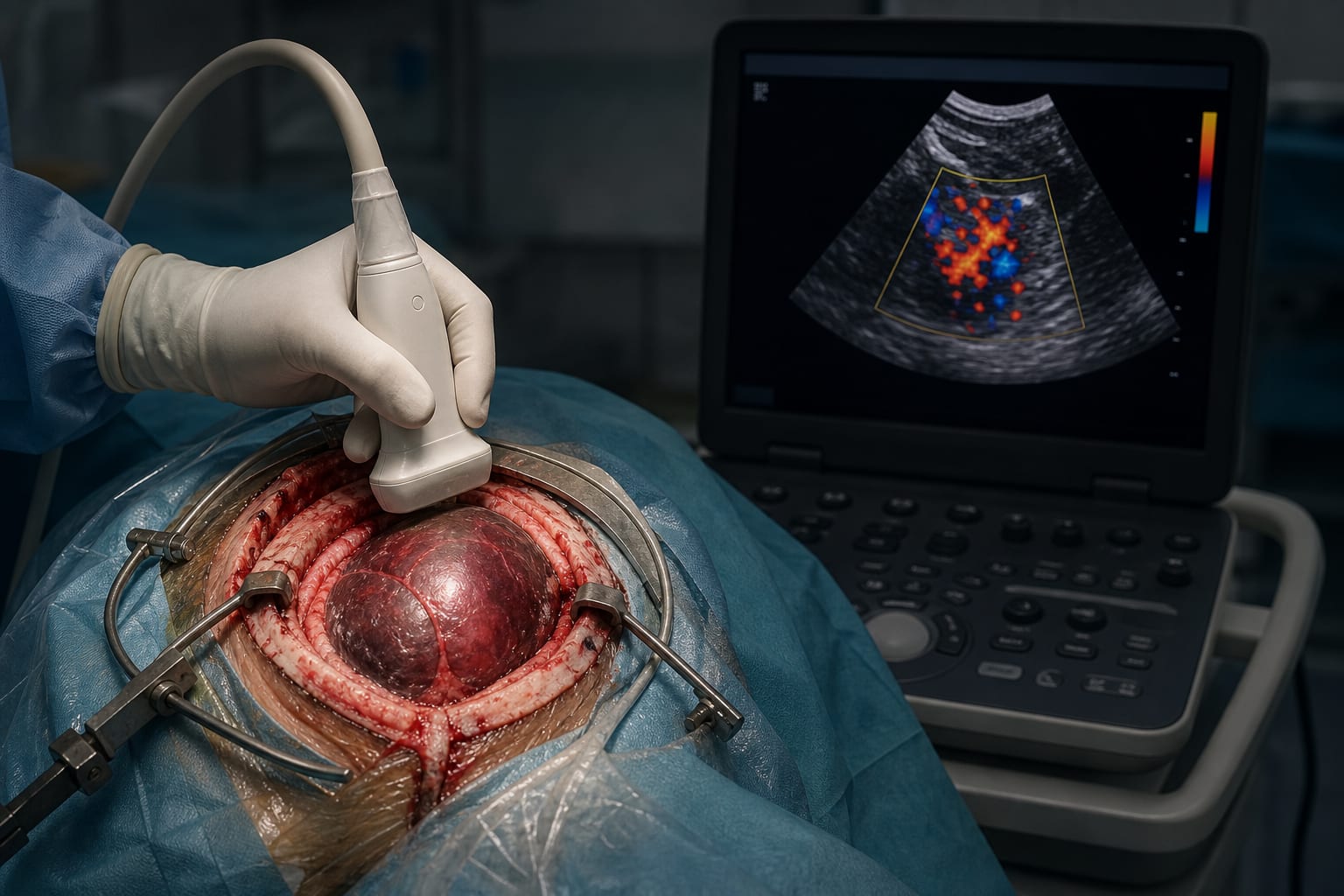
To provide insight into the course of cognitive functioning in glioma patients during the first days and months after awake brain tumor surgery, specifically comparing postoperative levels to preoperative levels.
Key Findings:
No evident postoperative deterioration in neurocognitive functioning was found after awake procedures, highlighting the effectiveness of the approach.
Cognitive functioning was preserved in most domains except for psychomotor speed, indicating a need for targeted interventions.
A detailed timeline of cognitive functioning post-surgery is currently lacking, which limits understanding of recovery trajectories.
Interpretation:
Understanding the timeline of cognitive functioning can aid in psychoeducation, enhancing patients' cognitive, physical, and psychological wellbeing through tailored support strategies.
Limitations:
Data from 12 patients were excluded due to missing information, which may affect the generalizability of the findings.
Most studies only assessed cognitive functioning months after surgery, lacking immediate postoperative data, which is crucial for understanding early recovery.
Conclusion:
Awake brain tumor surgery appears to maintain cognitive functioning, but further research is needed to clarify immediate postoperative cognitive changes and their implications for patient care.