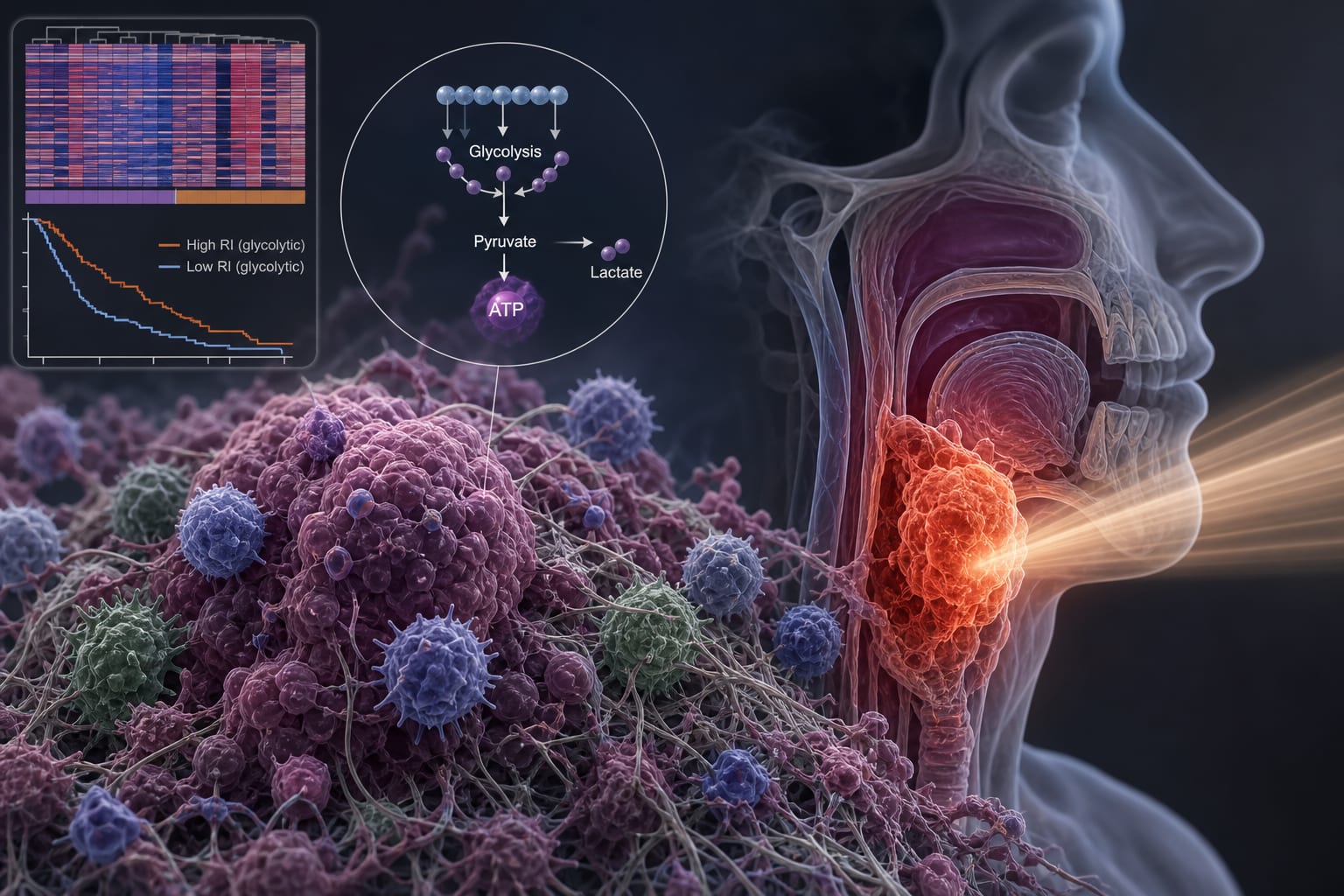
To develop a glycolysis-associated biomarker for radiotherapy sensitivity in head and neck squamous cell carcinoma (HNSC).
Approach:
Data Analysis: Analyzed gene expression and clinical data from 491 HNSC patients and single-cell RNA sequencing to assess glycolysis activity.
Radiosensitivity Index Development: Developed a glycolysis-associated radiosensitivity index (RI) using Cox regression analysis of glycolysis-related genes.
Immune Microenvironment Profiling: Analyzed immune microenvironment profiles and therapeutic responses using ssGSEA, CIBERSORT, TIDE, and pRRophetic.
In Vitro Validation: Conducted in vitro experiments to validate glycolytic activity and radiosensitivity in HNSC cell lines.
Key Findings:
Low glycolytic activity correlates with improved overall survival in HNSC patients post-radiotherapy.
High glycolytic activity is associated with radio-resistance.
The RI successfully stratified patients into radiosensitive (RS) and radio-resistant (RR) groups.
An updated clinical practice guideline from the American Society for Radiation Oncology substantially expands and modernizes recommendations for the use of radiation therapy in pancreatic cancer.