Disentangling on and off-target binding in flortaucipir PET: a voxel-to-voxel P-tau, ferric iron, and MAO-B histology-to-flortaucipir PET comparison - Summary - MDSpire
Advertisement
Disentangling on and off-target binding in flortaucipir PET: a voxel-to-voxel P-tau, ferric iron, and MAO-B histology-to-flortaucipir PET comparison
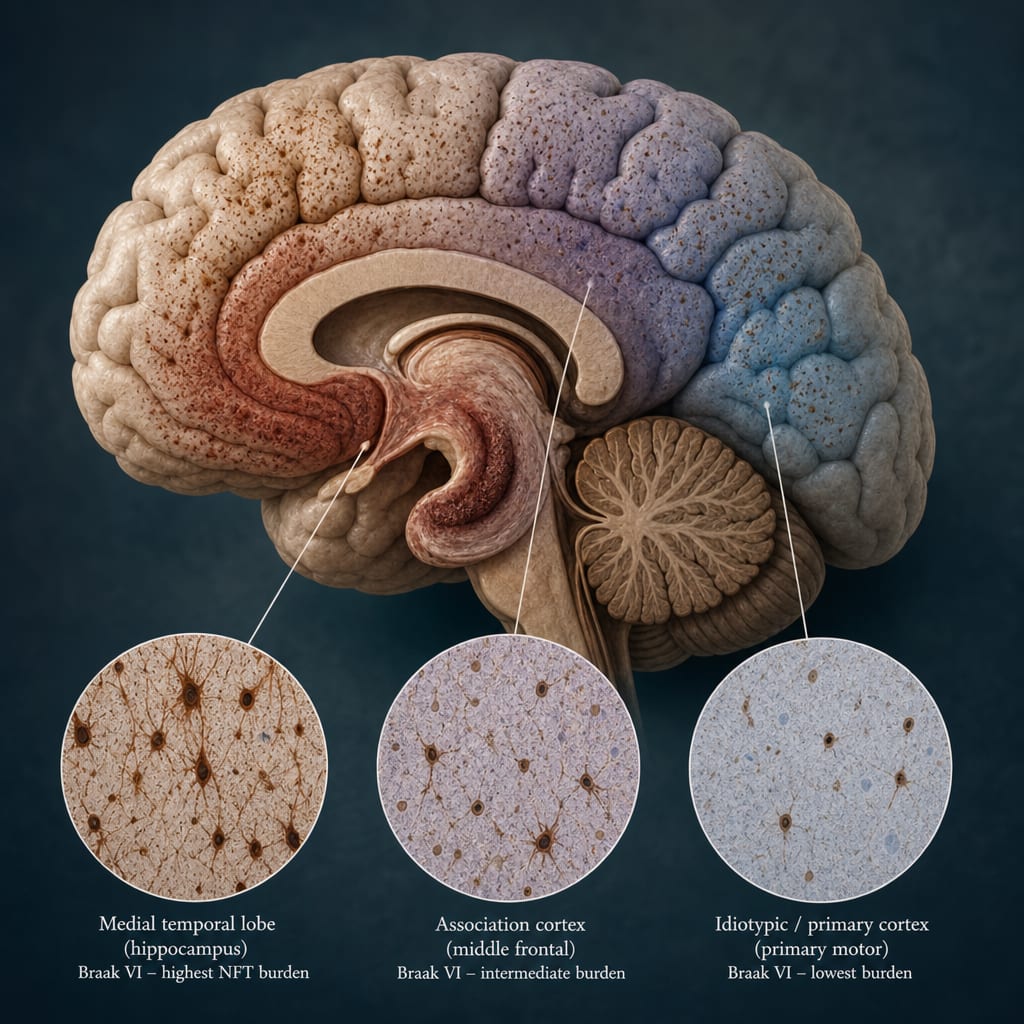
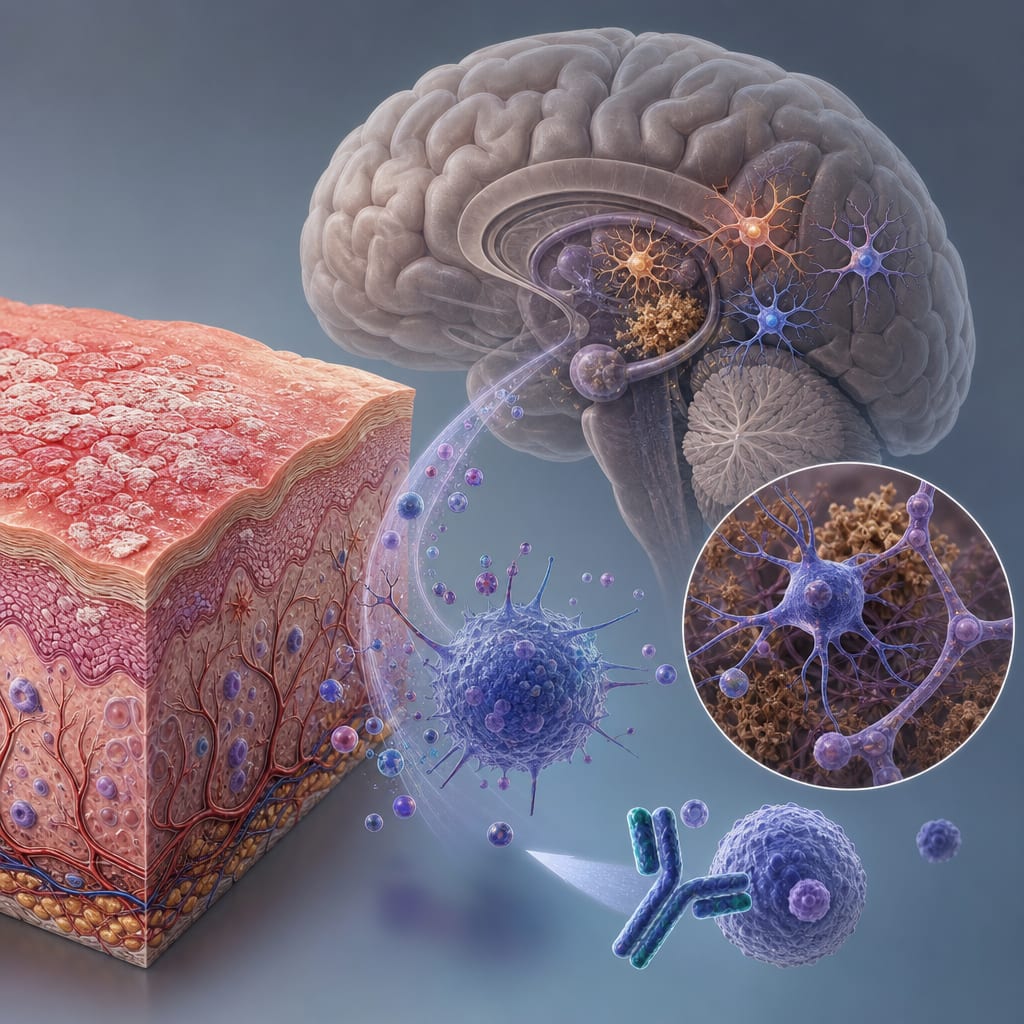
To investigate the contributions of phospho-tau, ferric iron, and MAO-B to the Flortaucipir PET signal in various neurodegenerative disorders, emphasizing the importance of understanding off-target binding.
Key Findings:
Flortaucipir shows off-target retention in regions not expected to have significant tau pathology, particularly in non-Alzheimer's tauopathies, indicating potential misinterpretation of PET results.
Colocalization of Flortaucipir uptake with ferric iron accumulation suggests non-tau-related binding, complicating the understanding of imaging results.
MAO-B may contribute to off-target signals, but evidence remains conflicting regarding its impact on Flortaucipir binding, necessitating further investigation.
Interpretation:
The findings indicate that Flortaucipir PET signals may reflect a combination of tau and non-tau substrates, complicating the interpretation of imaging results in neurodegenerative diseases and highlighting the need for careful clinical assessment.
Limitations:
Small sample size of five subjects limits generalizability.
Confounding factors such as the presence of multiple neurodegenerative pathologies may affect results.
Potential biases in post-mortem studies could influence findings.
Conclusion:
Understanding the neurobiological basis of Flortaucipir signals is crucial for improving diagnostic accuracy and monitoring disease progression in neurodegenerative disorders.
by Yuheng Chen, Renaud La Joie, Felipe L. Pereira, Ganna Blazhenets, Lucile Zhu, Salvatore Spina, William W. Seeley, Helmut Heinsen, Daniela Ushizima, Duygu Tosun, Gil D. Rabinovici, Lea T. Grinberg