To examine the application of artificial intelligence (AI) in improving diagnostic accuracy, risk prediction, treatment planning, and patient outcomes in neurovascular surgery.
Approach:
Key Findings:
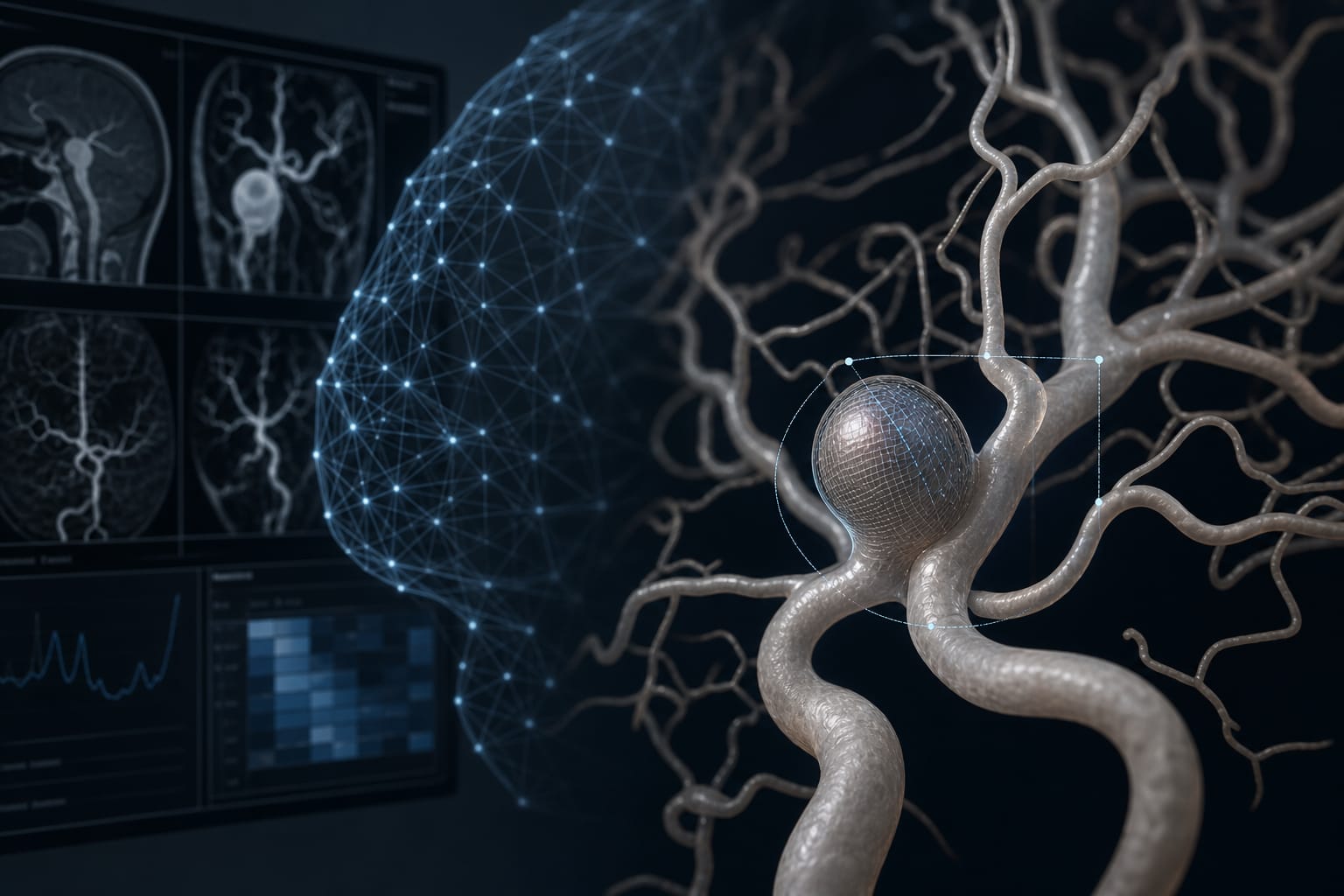
AI improves diagnostic accuracy and risk prediction in neurovascular surgery.
Machine learning models can predict aneurysm rupture and functional recovery after stroke.
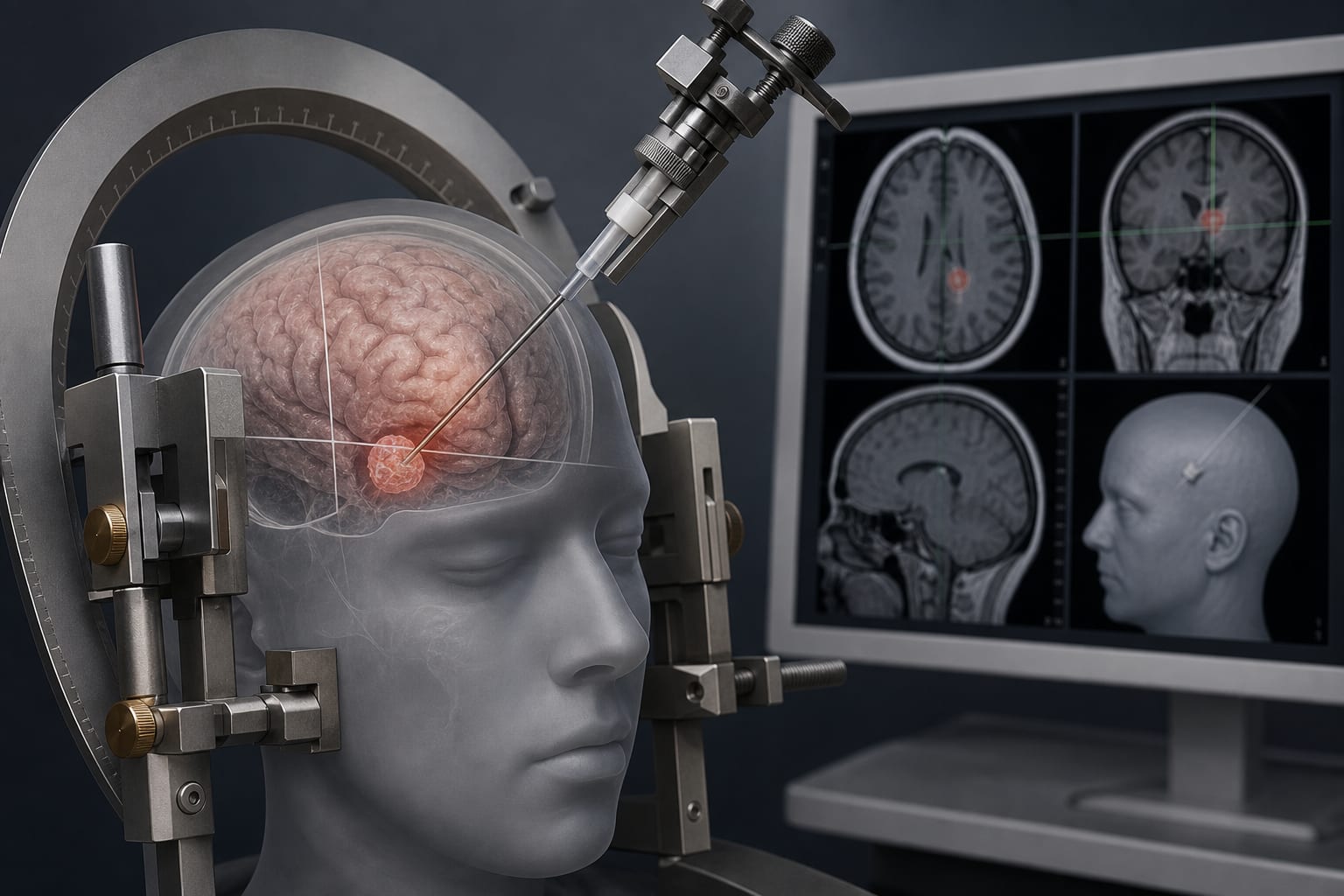
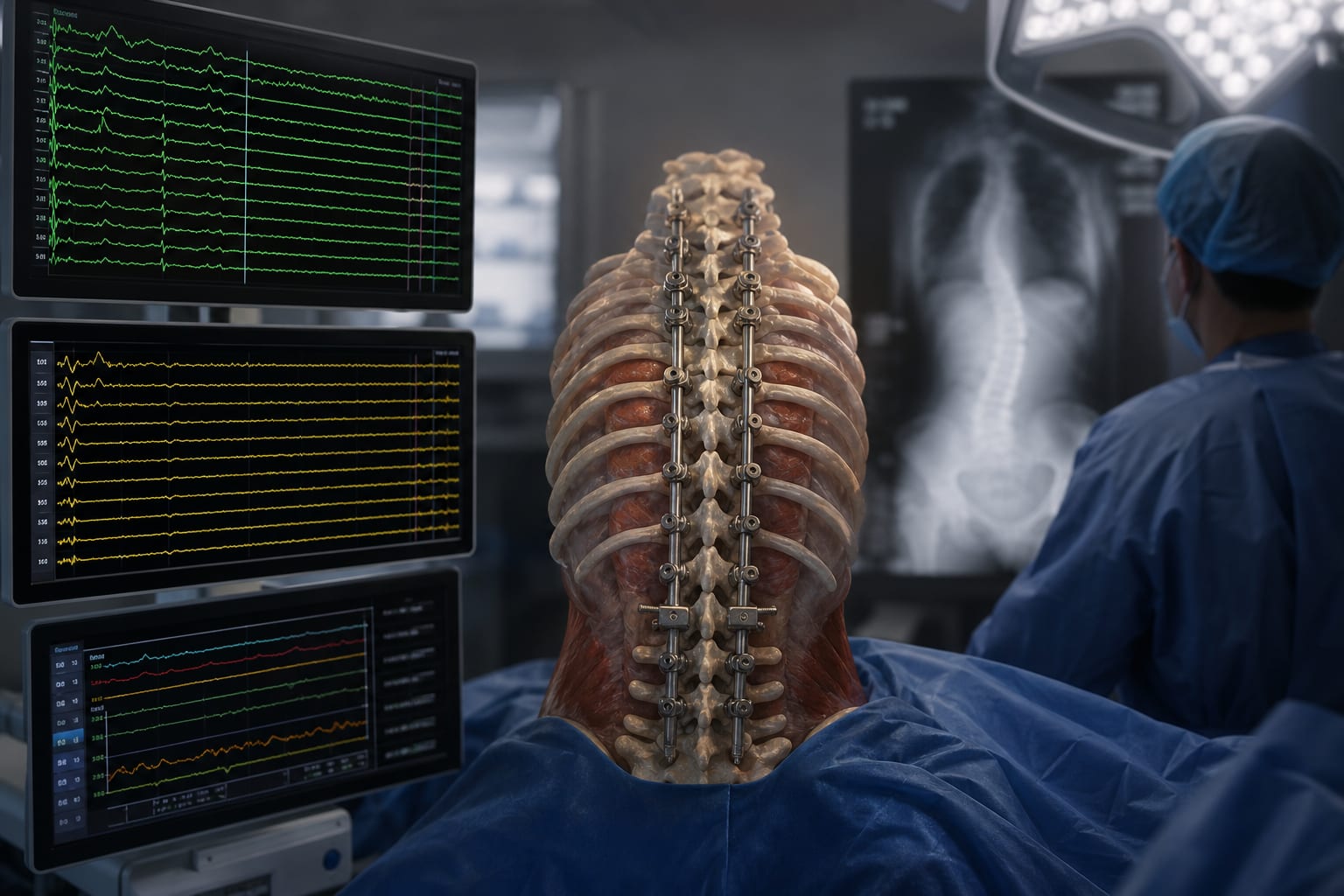
AI technologies are being integrated into surgical planning and intraoperative guidance.
Challenges include algorithmic bias, limited generalizability, lack of interpretability, data privacy concerns, and regulatory barriers.
Interpretation:
AI serves as an assistive tool that augments clinical expertise rather than replacing it.
Limitations:
Algorithmic bias and lack of interpretability.
Limited generalizability of AI models across diverse populations.
Data privacy concerns, regulatory barriers, and data interoperability issues.
Conclusion:
AI has potential applications in neurovascular surgery through human-AI collaboration.