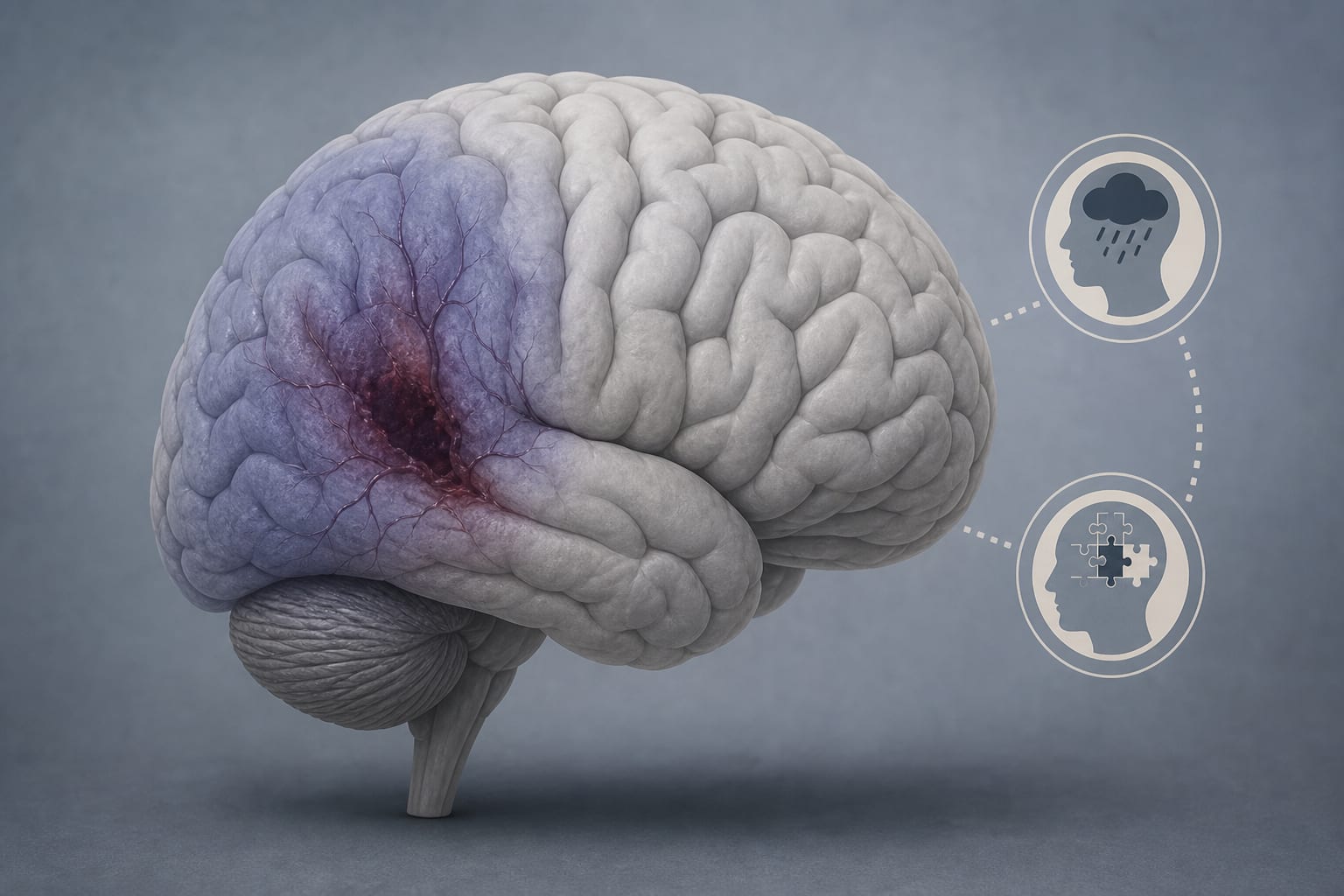
To investigate an EEG-based index of peripersonal space representation as a predictor of consciousness and recovery in patients with disorders of consciousness.
Approach:
Key Findings:
The PPS index was present during wakefulness and dreaming but absent during dreamless sleep.
Higher PPS index values correlated with better clinical outcomes at discharge.
In patients, the PPS index correlated with Coma Recovery Scale–Revised scores (R = 0.35) and clinical outcomes (R = 0.43).
The PPS index showed a positive predictive value of 86% and specificity of 98% compared to behavioral assessment alone.
Interpretation:
The findings suggest that the PPS index may serve as a reliable electrophysiological marker for detecting covert consciousness and predicting recovery in non-responsive patients.
Limitations:
Clinical outcomes were assessed only at discharge, limiting long-term recovery evaluation.
The optimal frequency range and thresholds for the PPS index may require further refinement.
Conclusion:
These findings highlight a bedside-compatible electrophysiological marker with potential clinical utility for detecting covert consciousness and predicting outcomes in non-responsive patients.
New findings from CREST-2 are providing important evidence on the role of carotid artery stenting (CAS) in patients with severe asymptomatic carotid stenosis — while underscoring the importance of operator experience, patient selection and procedural technique in achieving favorable outcomes.