Fatal Police Pursuits and Neighborhood Opportunity—Interpreting and Acting on a Concentrated Harm - Summary - MDSpire
Coming Soon: Introducing MDSpire News. Learn more
Conexiant’s news site is now MDSpire News. Learn more

Deadly Police Chases and Community Opportunity—Understanding and Addressing Concentrated Risks

  • By

  • Hannah S. Laqueur

  • August 26, 2026

Share

Objective:

To examine the correlation between neighborhood opportunity and the incidence of fatal police pursuits across US counties.

Approach:
  • Study Design: Linked the Childhood Opportunity Index with a national database of pursuit-related deaths from 2017–2021 and applied negative binomial mixed-effects models.
Key Findings:
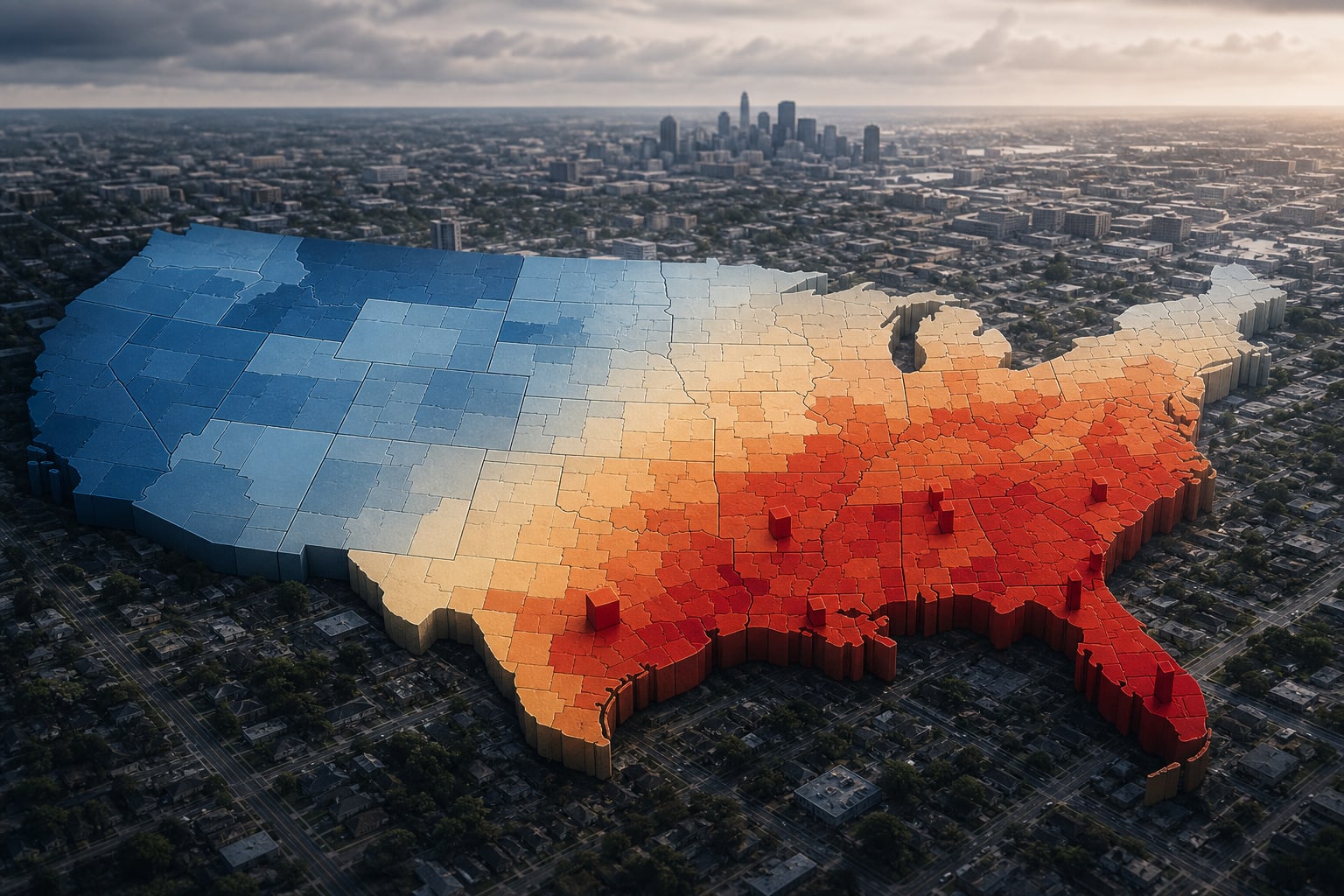
  • Counties in the lowest neighborhood-opportunity tier had a 63% greater incidence rate of fatal pursuits than those in the highest tier.
  • Positive associations were observed for education, health and environment, and social and economic conditions.
  • The study highlights the spatial clustering of police-related harms in disadvantaged communities.
Interpretation:

The concentration of fatal pursuits in low-opportunity counties suggests a correlation with broader social and structural disadvantages.

Limitations:
  • County-level opportunity scores may obscure significant local variations.
  • Fatal pursuit data may be incomplete due to underreporting and lack of a national tracking system for police pursuits.
  • The study cannot differentiate between the frequency of pursuits and the lethality of those pursuits.
Conclusion:

Further research is needed to understand the factors contributing to the higher fatality rates in low-opportunity areas and to evaluate the impact of policy changes on pursuit-related incidents.

Sources:

Original Source(s)

Related Content