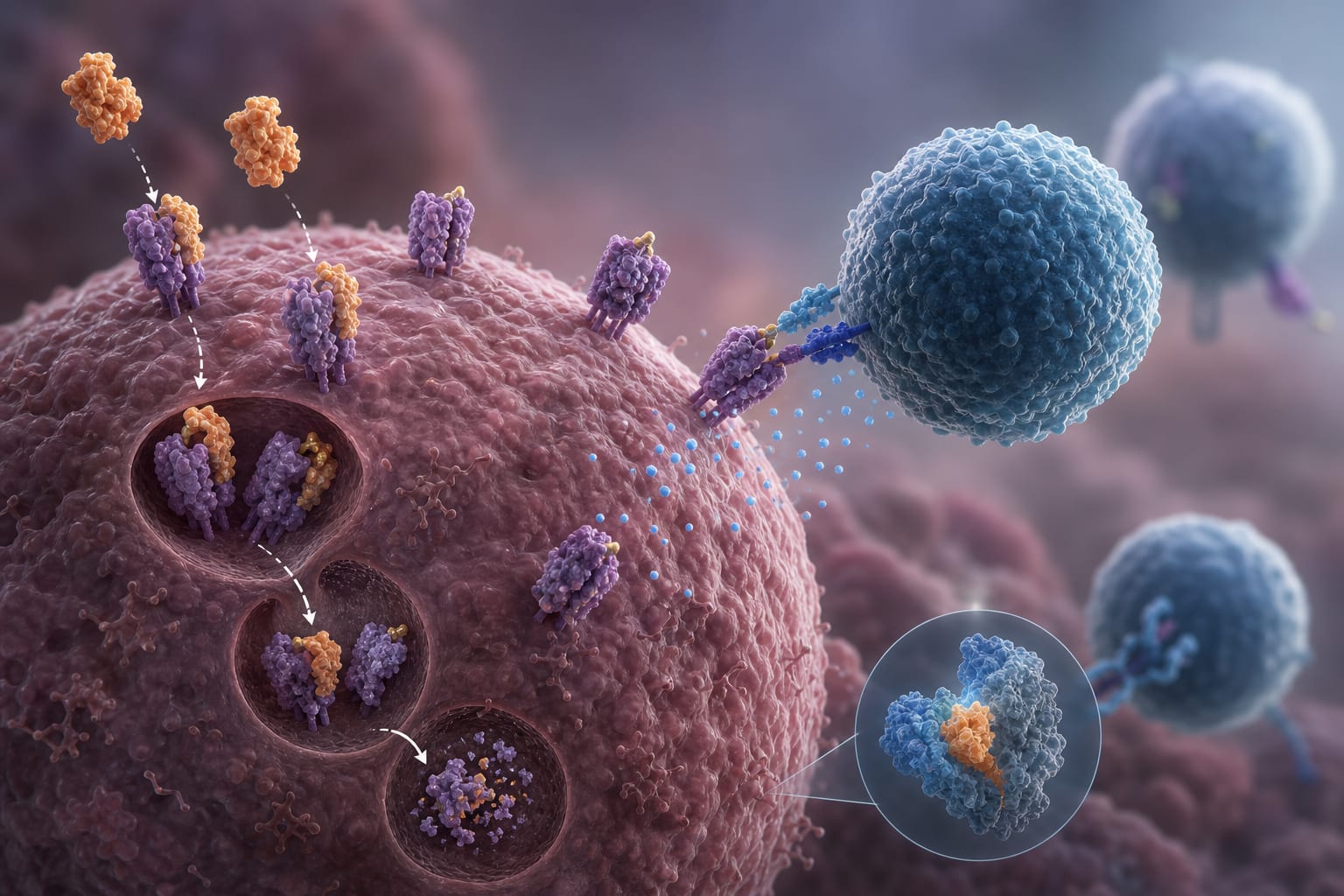
To compare survival and cardiovascular outcomes among patients treated with immune checkpoint inhibitors (ICIs) receiving PCSK9 inhibitors (PCSK9Is) versus high-intensity statins, highlighting the clinical significance of this comparison.
Key Findings:
A total of 239 propensity score matched pairs were identified, resulting in 478 patients for analysis, with significant differences in survival rates observed.
The study included a diverse patient population with varying demographics, including age and race, which may influence treatment outcomes.
Interpretation:
The study aims to clarify whether the mechanistic benefits of PCSK9 inhibition translate into improved clinical outcomes when used alongside ICIs, potentially reshaping treatment strategies.
Limitations:
The study is retrospective and relies on electronic health record data, which may have inherent biases, including selection bias.
Racial and ethnic categories were limited due to sparse patient counts in certain groups, which may affect generalizability.
Conclusion:
The findings will inform ongoing and future studies on the repurposing of PCSK9 inhibitors in cancer therapy, suggesting a need for further investigation into their clinical benefits.
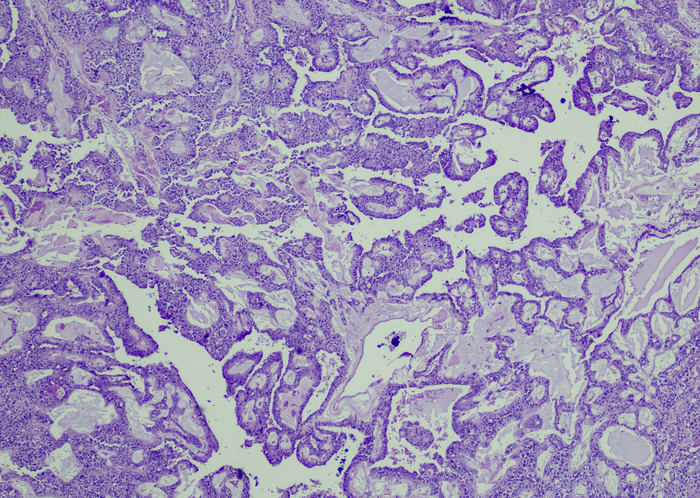
Pancreatic adenocarcinoma, the most common form of pancreatic cancer, accounts for roughly 90 to 95 percent of cases. It's notoriously difficult to catch early, because symptoms often don't appear until the disease has already spread