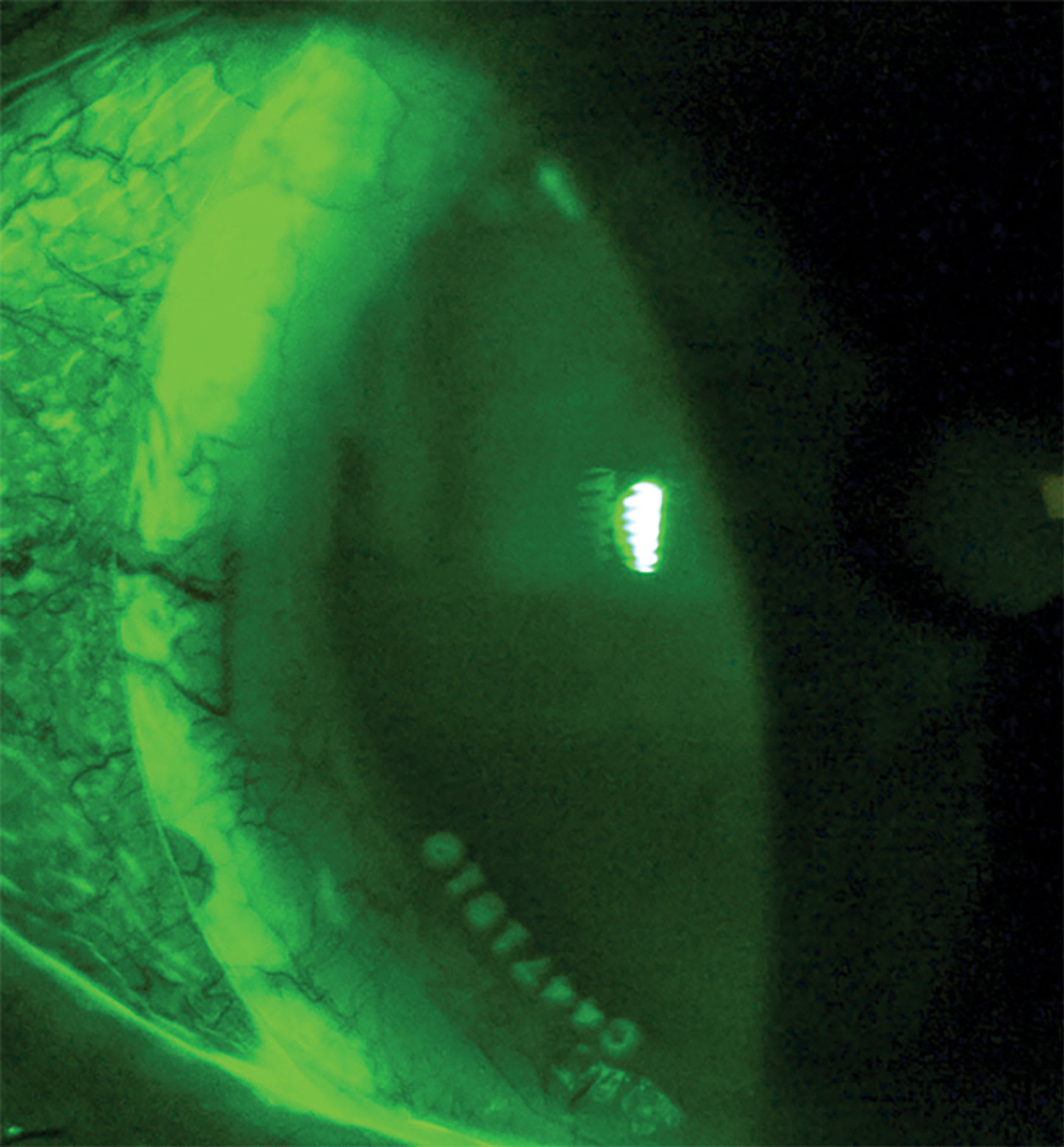
To explore the role of contact lenses in managing myopia by influencing ocular growth rather than merely correcting refractive error.
Approach:
Optical Myopia Control: Modern contact lens designs aim to modify the optical environment of the eye to slow excessive axial elongation.
Retinal Image Quality: The effectiveness of optical interventions is based on the influence of retinal image quality on ocular growth.
Orthokeratology: Orthokeratology reshapes the cornea to achieve clear vision while slowing axial elongation.
Soft Contact Lenses: Soft lenses utilize various optical strategies to create effective treatment profiles for myopia control.
Key Findings:
Orthokeratology can slow axial elongation by approximately 40-60% over two years.
Soft myopia-control lenses can reduce axial elongation by approximately 30-60%, depending on design.
Choroidal thickness changes may serve as an early biomarker of treatment response.
Interpretation:
Optical interventions for myopia management should be evaluated based on their ability to influence retinal image quality and ocular growth, rather than solely on refractive correction.
Limitations:
Inter-individual variability in treatment response.
Clinical performance may differ based on lens design and individual optical characteristics.
Conclusion:
Contact lenses for myopia management represent a shift towards optical interventions that aim to influence ocular growth while maintaining visual performance.