Conexiant’s news site is now MDSpire News. Learn more
Advertisement
What Must Be True for a Drug to Work?
Drawing on a decade in oncology clinical development, David Adler considers how identifying the assumptions behind clinical success could improve the development of new treatments for glioblastoma
The article asks what scientific and clinical conditions must be met for a glioblastoma drug candidate to have a realistic prospect of clinical benefit, and how development can test those assumptions early.
Approach:
Development perspective: Drawing on a decade leading oncology clinical development programs, the author discusses what evidence is needed to advance potential treatments.
Decision-focused testing: The author argues for asking which uncertainties matter to the next development decision and whether experiments can test assumptions that could determine a candidate’s success.
Key Findings:
Glioblastoma drug development faces challenges including blood-brain barrier delivery, tumor heterogeneity, infiltrative cells, an immunosuppressive microenvironment, and treatment resistance.
Surgery, radiotherapy, and temozolomide remain the treatment backbone for newly diagnosed glioblastoma, despite expanded options.
Mechanistic rationale, target inhibition, preclinical antitumor activity, and pharmacodynamic evidence do not by themselves establish translational readiness or likely clinical benefit.
Relevant questions include whether a candidate can reach and engage its target in the relevant human tumor compartment, whether the target matters in the intended population, and whether that population can be identified.
The author argues that experiments challenging critical assumptions can be valuable even when results are unfavorable to a program.
Interpretation:
The article argues that development teams should make assumptions and uncertainties explicit, then prioritize experiments that could change development decisions. It distinguishes evidence of biological activity from evidence that a candidate is ready for clinical development.
Limitations:
This is an opinion article grounded in the author’s oncology development experience, not a reported clinical study.
The author states that they are not a glioblastoma specialist.
Conclusion:
The author calls for earlier integration of discovery and development expertise so that translational questions can shape research while they can still be addressed.
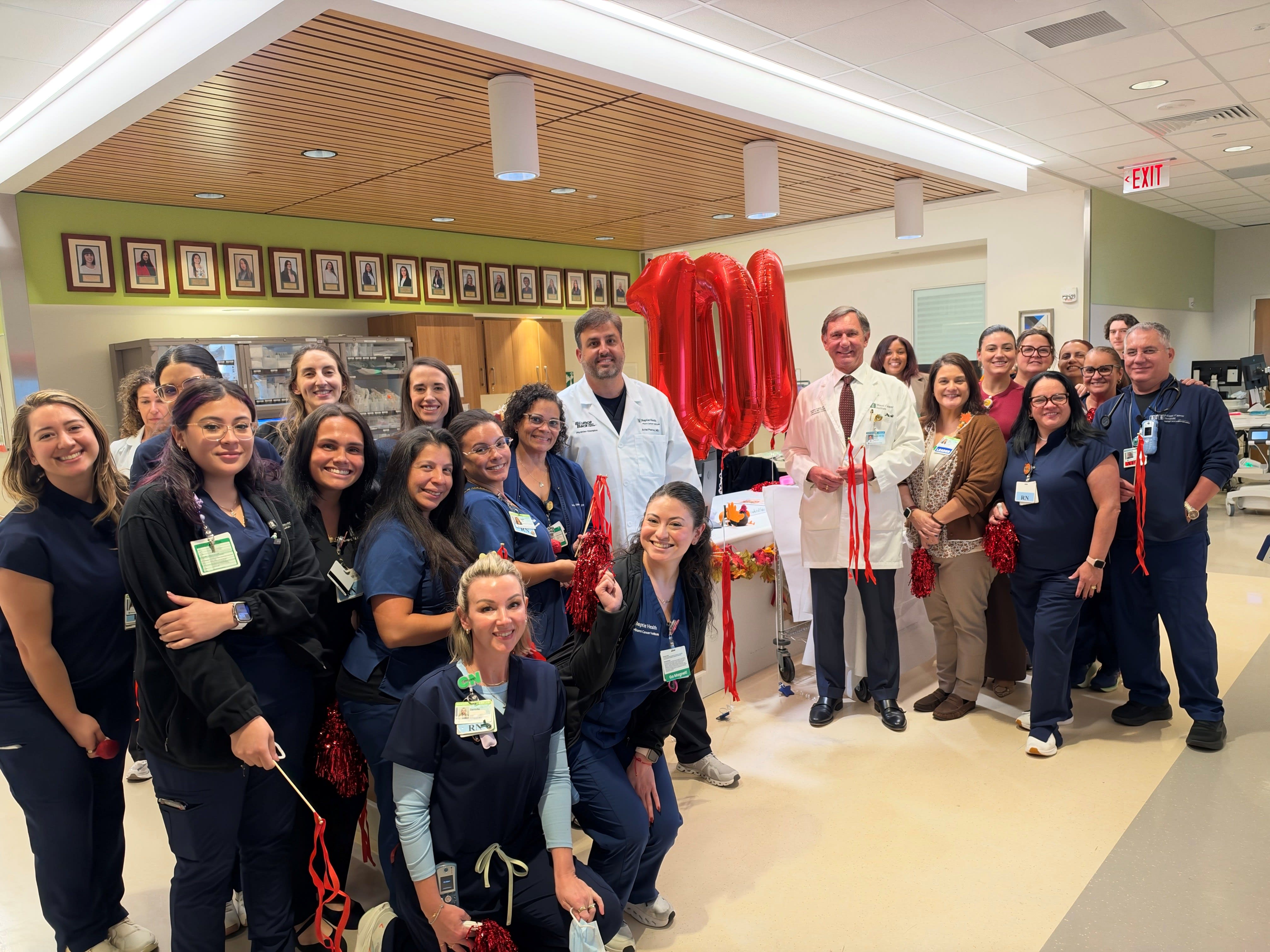
Baptist Health Herbert Wertheim Cancer Institute has reached a significant milestone in cancer care: the treatment of its 100th patient with CAR T-cell therapy.