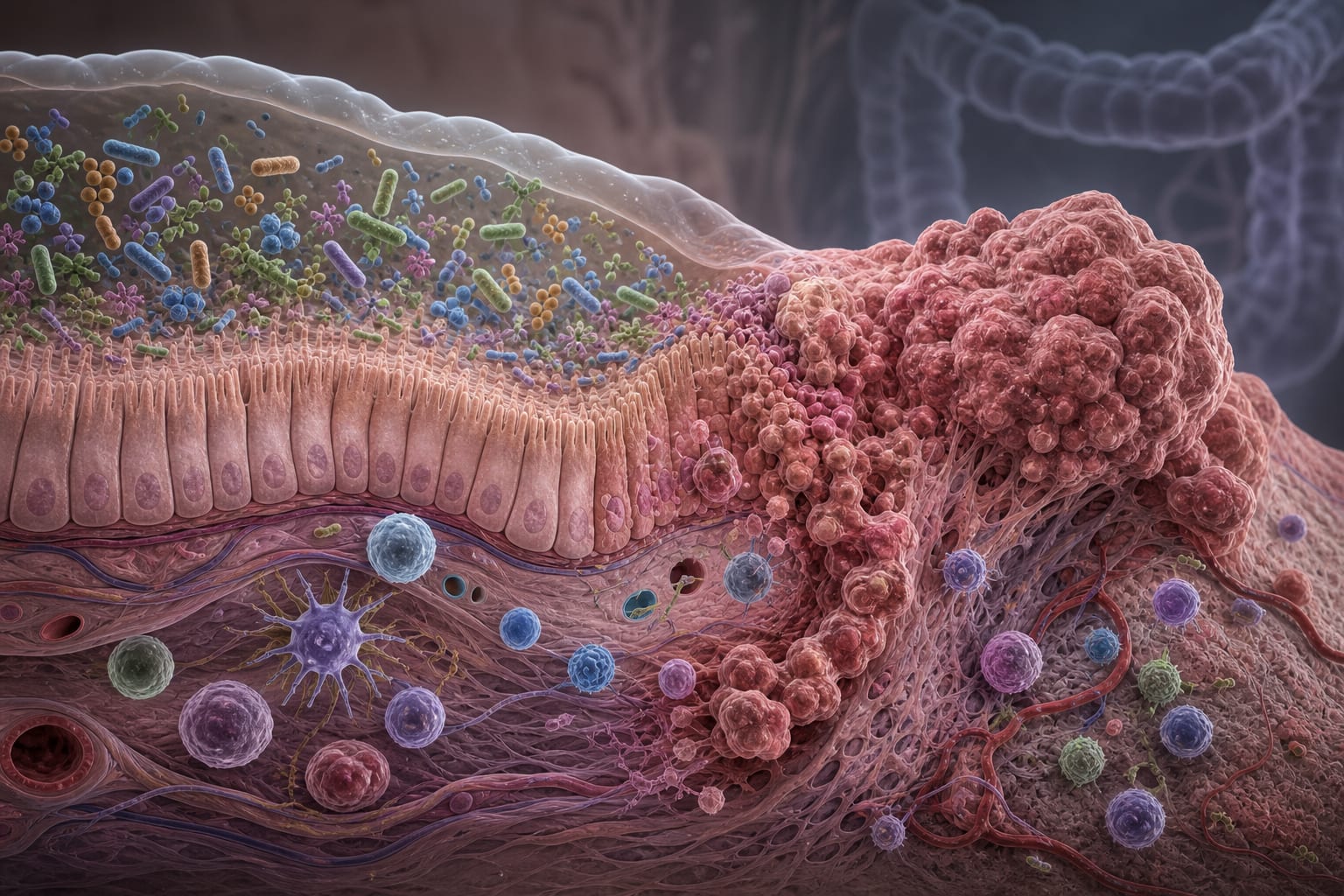
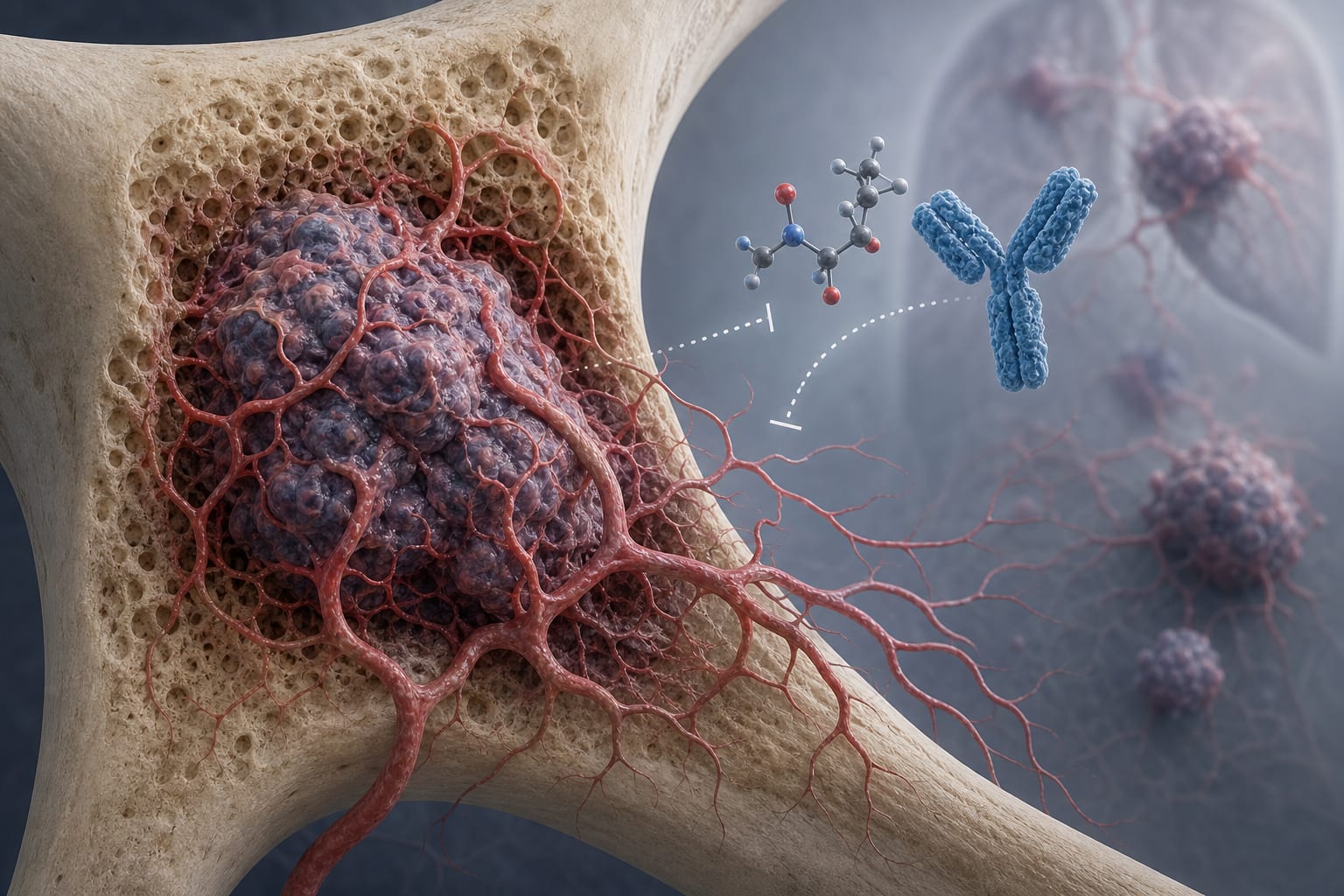
To synthesize current findings on gut microbiome dysbiosis in cancer initiation and progression, and its impact on cancer therapy.
Approach:
Literature Review: A narrative review synthesizing evidence on microbiome effects in cancer, focusing on dietary interventions, probiotics, prebiotics, antibiotics, and fecal microbiota transplantation.
Key Findings:
Gut microbiome dysbiosis is linked to cancer development through mechanisms such as chronic inflammation, expansion of microbial genotoxin producers, and disturbances of immune defense mechanisms.
Specific bacterial species and their metabolites can promote tumor development through various mechanisms including DNA damage and immune suppression.
Microbiome-targeting strategies, including dietary modulation, probiotics, and fecal microbiota transplantation, have shown promise in restoring microbial homeostasis and enhancing treatment efficacy.
Advances in microbial genomics and metabolomics aid in identifying biomarkers for predicting cancer risk and therapeutic outcomes.
Interpretation:
Understanding the microbiome-cancer interface may lead to personalized, microbiome-informed oncology.
Limitations:
High interindividual variability in microbiome composition.
Lack of standardized interventions.
Limited understanding of underlying mechanisms.
Conclusion:
Understanding the microbiome-cancer interface provides a platform for personalized, microbiome-informed oncology.