To examine the implications of ambient AI technologies in healthcare education, particularly their impact on clinical documentation and reasoning skills among medical trainees.
Approach:
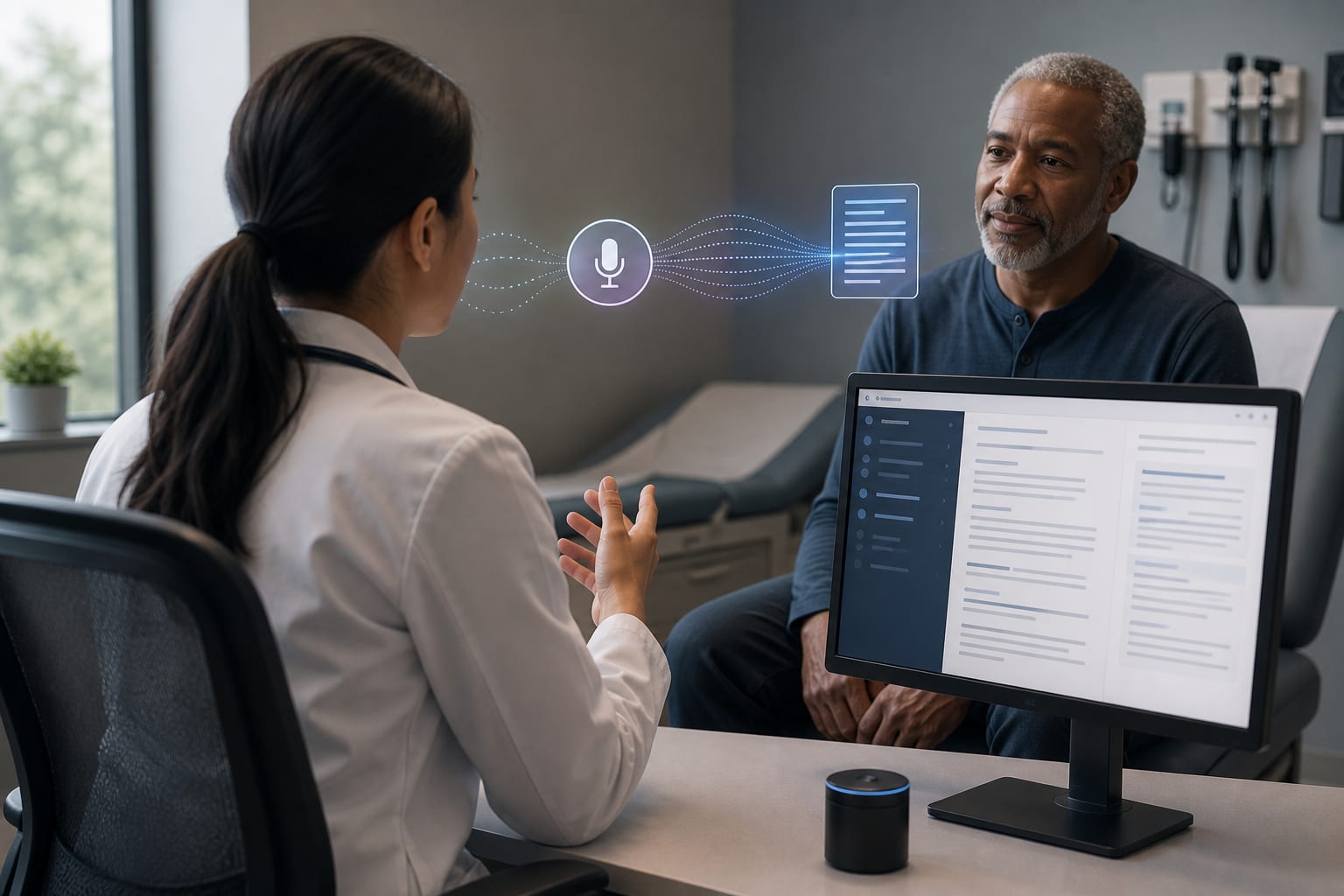
Ambient AI in Clinical Care: Ambient AI technologies function as AI scribes, recording patient-provider conversations and organizing clinical notes, which may reduce provider burnout and enhance job satisfaction.
Impact on Medical Education: The article discusses the potential effects of ambient AI on medical education, emphasizing the need for careful monitoring of its introduction in training programs.
Key Findings:
The accuracy and quality of ambient AI remain uncertain, necessitating further investigation.
Limited data exists on how ambient AI affects the acquisition of clinical documentation and reasoning skills in medical trainees.
Automating documentation may allow students to engage more deeply with patient interactions but could hinder the development of essential skills.
Interpretation:
The integration of ambient AI in medical education must be approached cautiously to avoid compromising essential learning experiences.
Limitations:
Lack of published studies on the effects of ambient AI on early clinical documentation skills.
Inconsistent findings regarding the impact of ambient AI on documentation time among resident physicians.
Conclusion:
The integration of ambient AI in medical education requires deliberate oversight to balance the benefits of reduced documentation burden with the need for developing critical clinical skills.