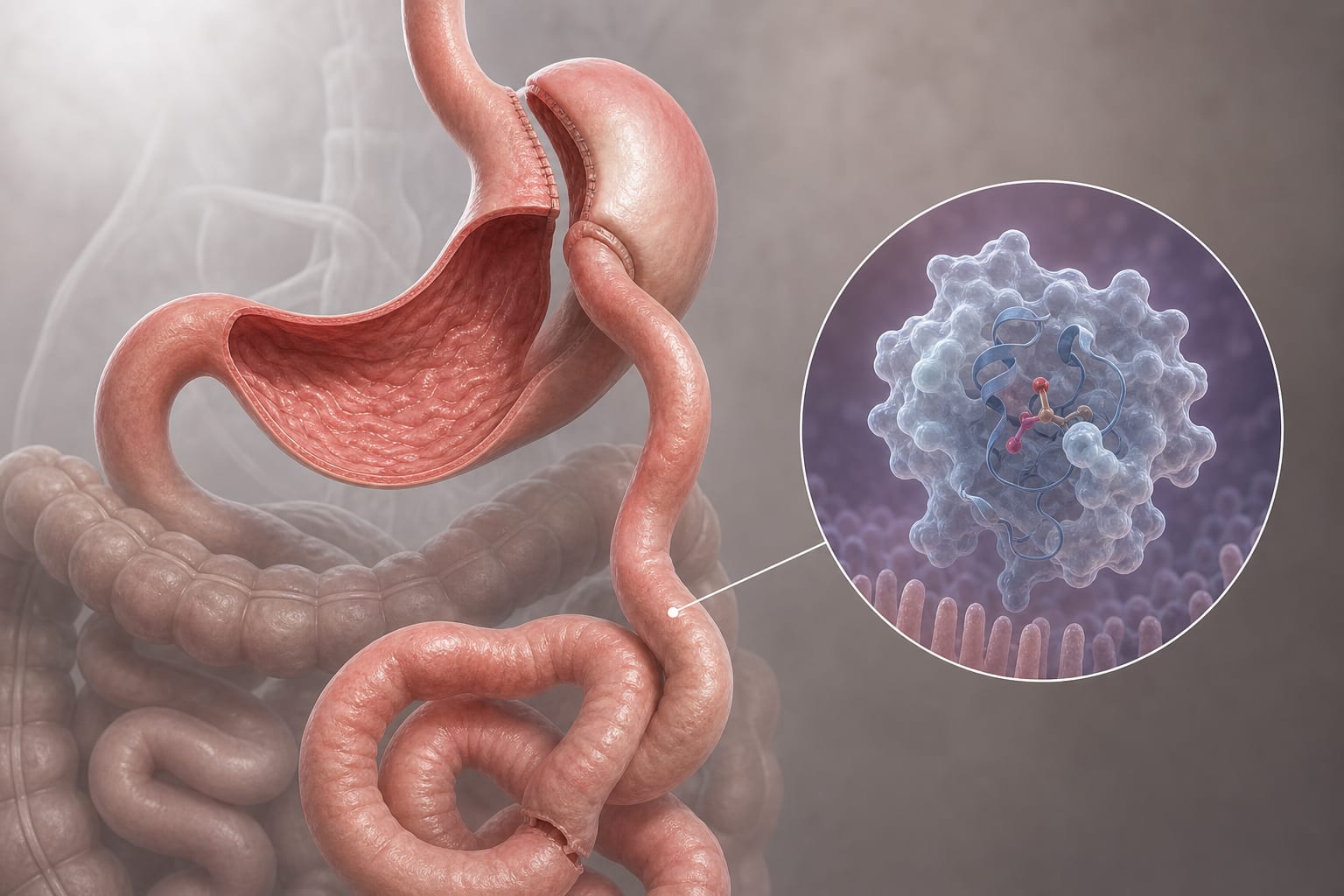
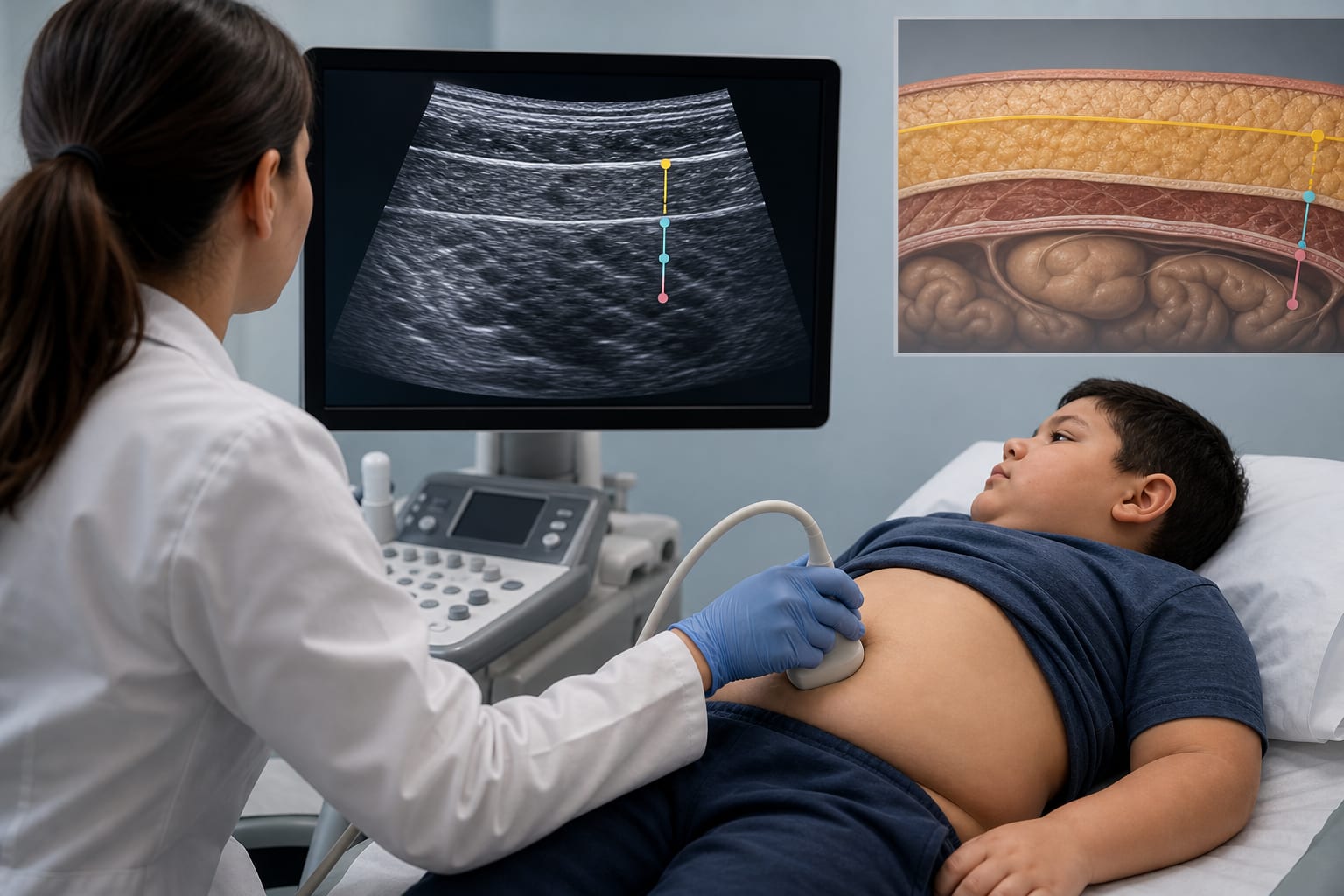
To evaluate the impact of body mass index (BMI) on norepinephrine (NE) dosing and vasopressin (AVP) responsiveness in obese patients with septic shock, highlighting the clinical implications of these findings.
Key Findings:
Obese patients show lower baseline NE doses when normalized to body weight, potentially skewing the interpretation of AVP responsiveness and impacting treatment decisions.
Normalization of NE exposure to body weight may introduce bias, affecting longitudinal analyses and clinical severity stratification, which could misguide therapy.
Time-dependent pharmacokinetic effects of AVP may contribute to the observed differences in NE trajectories among obese patients, suggesting a need for longer observation periods.
Interpretation:
The findings suggest that the apparent reduced responsiveness to AVP in obese patients may be influenced by methodological artifacts rather than true physiological resistance, which has significant clinical implications.
Limitations:
The study's reliance on weight-normalized NE exposure may misrepresent the pharmacodynamic effects in obese patients, potentially leading to inappropriate treatment strategies.
Short observation windows may not capture the full pharmacokinetic profile of AVP in larger patients, limiting the study's conclusions.
Conclusion:
Reevaluating dosing metrics and considering pharmacokinetic factors are essential for accurate interpretation of vasopressor responses in obese patients, which could improve clinical outcomes.
by Pedro D. Wendel-Garcia, Sebastian Morales, Paulo Melo, Greta Emilia Kiavialaitis, Peter Wohlrab, Ricardo Castro, Edda Tschernko, Glenn Hernández, Eduardo Kattan