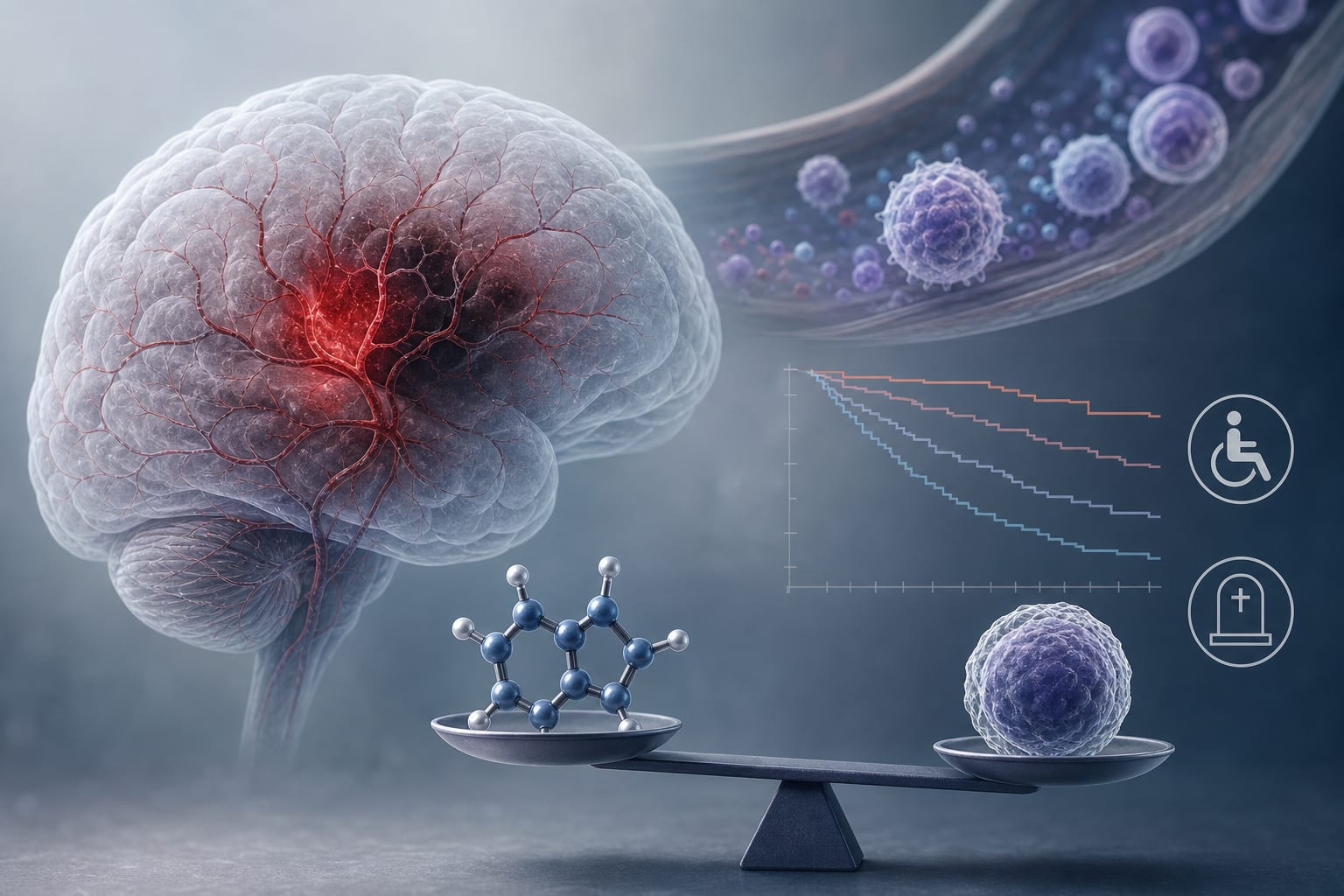
To explore the critical role of occludin in modulating HIV infection and ischemic stroke outcomes through mitochondrial antiviral signaling pathways, emphasizing its significance in both conditions.
Key Findings:
Occludin silencing alters expression of interferon-stimulated genes and components of the RIG-I pathway, leading to mitochondrial dysfunction, which has significant implications for treatment.
Increased HIV replication and worsened ischemic stroke outcomes were observed in occludin-deficient models, highlighting the need for targeted therapies.
Mitochondrial dysfunction is linked to impaired innate immune responses against HIV, suggesting a potential therapeutic target.
Interpretation:
The findings suggest that occludin plays a critical role beyond structural integrity of the blood-brain barrier, influencing immune responses and susceptibility to HIV and ischemic stroke, with implications for treatment strategies.
Limitations:
The study primarily focuses on occludin's role without exploring other potential factors influencing HIV-associated cerebrovascular disease, which could limit the applicability of the findings.
Use of Eco-HIV may limit the generalizability of findings to wild-type HIV strains, necessitating further research.
Conclusion:
Enhancing occludin expression or function may improve blood-brain barrier integrity and immune responses, offering potential therapeutic avenues for managing HIV and its neurological complications, warranting further investigation.