Changes in the Composition of Oral and Intestinal Microbiota After Sleeve Gastrectomy and Roux-En-Y Gastric Bypass and Their Impact on Outcomes of Bariatric Surgery - Summary - MDSpire
Advertisement
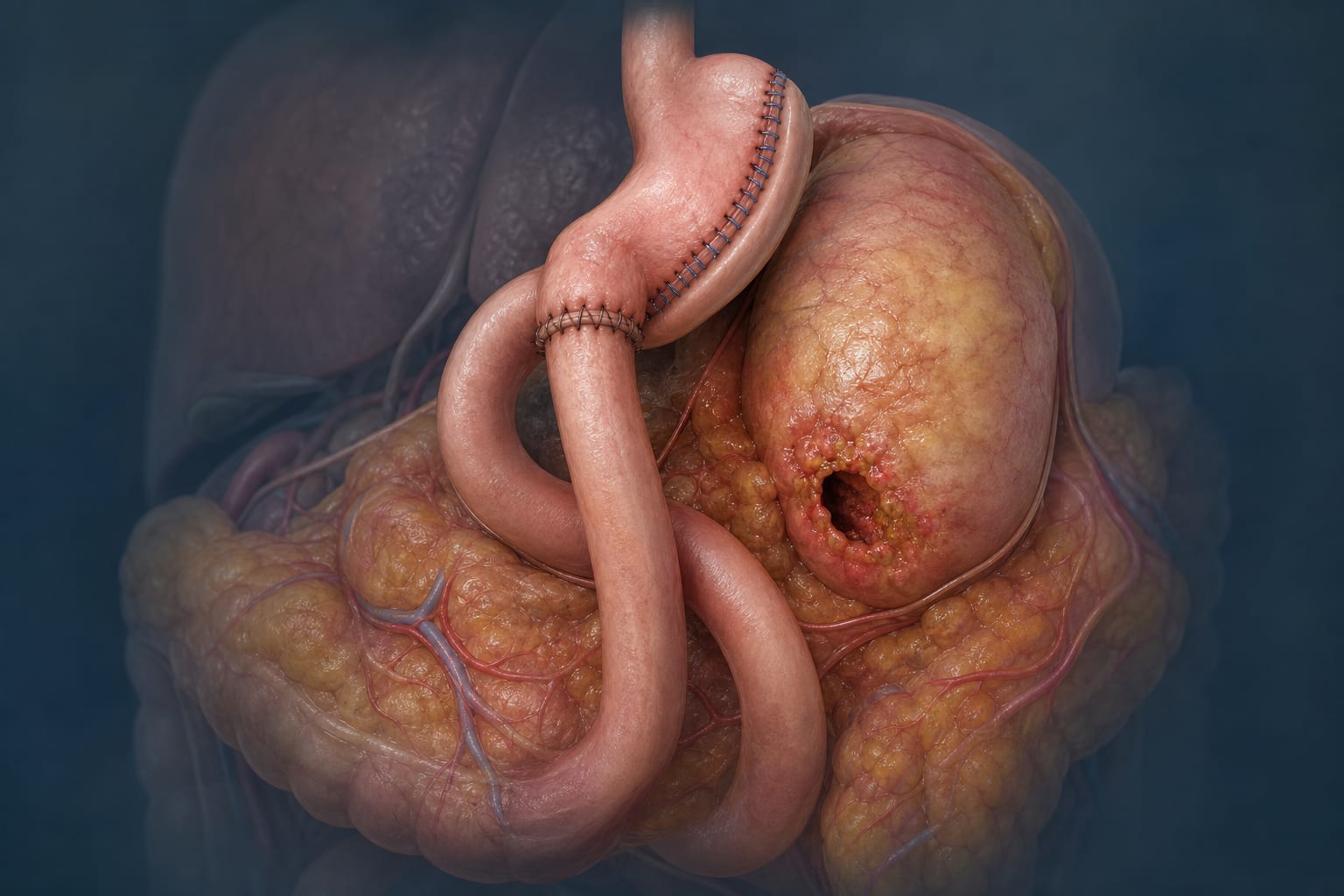
Changes in the Composition of Oral and Intestinal Microbiota After Sleeve Gastrectomy and Roux-En-Y Gastric Bypass and Their Impact on Outcomes of Bariatric Surgery
To assess changes in the composition of bacterial microbiota in the oral cavity and large intestine of patients 6 months after sleeve gastrectomy (SG) and Roux-en-Y gastric bypass (RYGB), and to identify relationships between these changes and weight-loss outcomes, highlighting the significance of these findings.
Key Findings:
Bariatric surgery significantly alters the composition of gastrointestinal microbiota, which may impact long-term health outcomes.
Differences in microbiota changes were observed between SG and RYGB patients, suggesting tailored approaches may be beneficial.
Weight-loss outcomes correlated with specific microbiota changes, indicating potential targets for future interventions.
Interpretation:
Modifying the gut microbiota may play a role in the effectiveness of bariatric surgery for weight loss and obesity-related comorbidities, suggesting avenues for clinical application.
Limitations:
Limited studies on microbiota changes in humans post-bariatric surgery, with potential biases in patient selection.
Small sample size and short follow-up duration.
Conclusion:
Further research is needed to explore the relationship between microbiota composition and weight loss outcomes in bariatric surgery patients, particularly focusing on specific microbiota profiles that may enhance weight loss.
A retrospective database study found a low absolute incidence but higher relative hazard of ischemic optic neuropathy following semaglutide initiation.