To develop a comprehensive national research agenda for pediatric disaster medicine that addresses the unique physical, psychological, and developmental challenges faced by children during disasters.
Key Findings:
Children are at heightened risk during disasters, necessitating focused research on pediatric disaster medicine to mitigate these risks.
A national pediatric disaster medicine research agenda was developed through expert consensus, highlighting critical areas for future research.
Research priorities were categorized into preparedness, mitigation and prevention, response, recovery, and education, each with specific implications for practice.
Interpretation:
The consensus-driven research agenda aims to enhance pediatric disaster preparedness and response, addressing critical gaps in existing literature and practice.
Limitations:
Limited existing literature on pediatric disaster medicine may affect the comprehensiveness of the research agenda, potentially leaving critical gaps unaddressed.
The consensus process may be influenced by the subjective opinions of participating experts, which could skew the prioritization of research topics.
Conclusion:
Establishing a pediatric disaster medicine research agenda is crucial for improving outcomes for children affected by disasters, ensuring that their unique needs are prioritized in future research efforts.
by Yae Sul Jeong, Cullen Clark, Charmaine Lo, Sara Huston, Sarita Chung, Eric Goralnick, Nathan Timm, Chris Wright, Brandon Kappy, Dennis Ren, April Parish, Charles G. Macias, Rachel Stanley
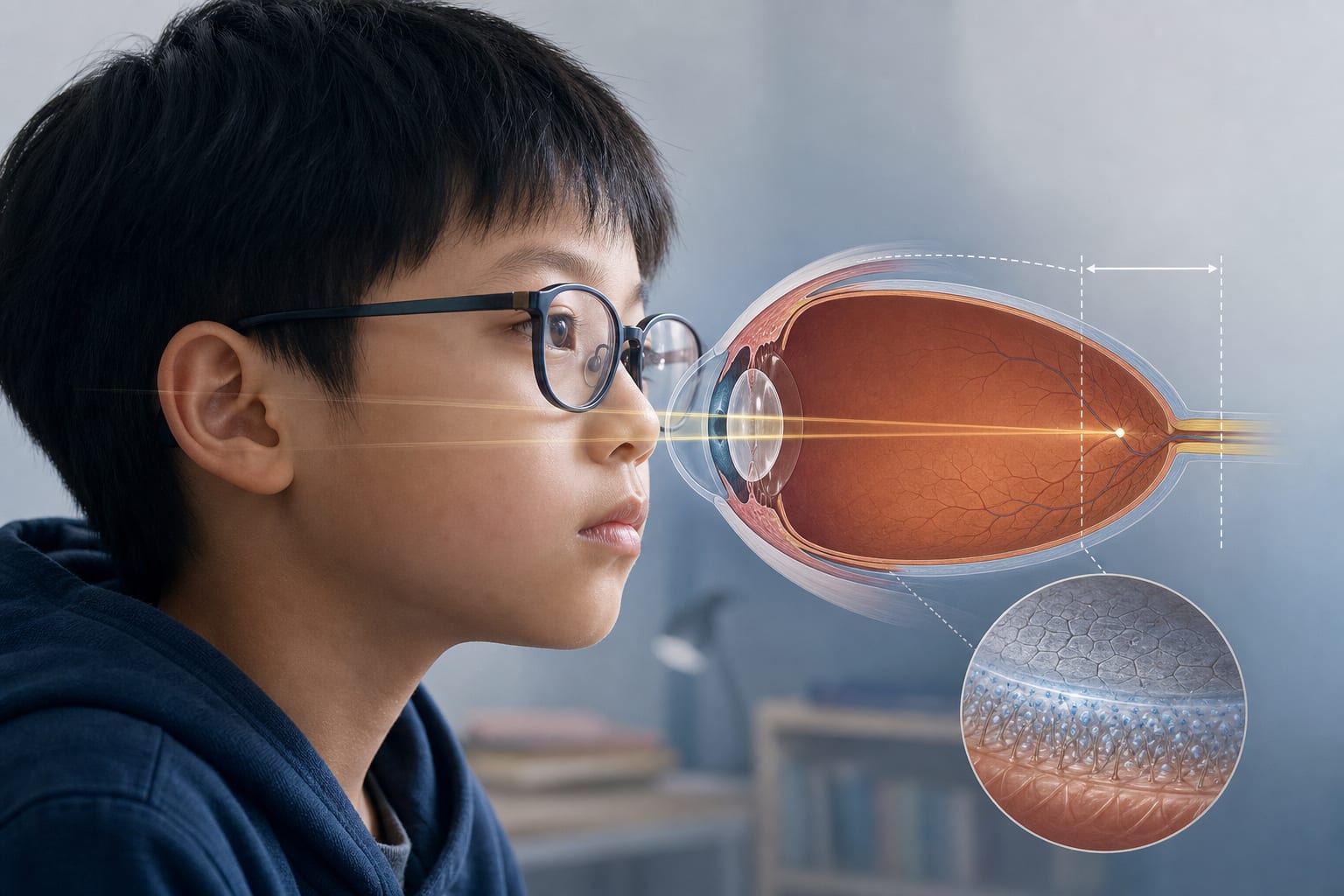
Narrative review linked lower vitamin D levels to greater myopia risk and higher omega-3 intake to lower risk, though outdoor exposure may explain the vitamin D association.