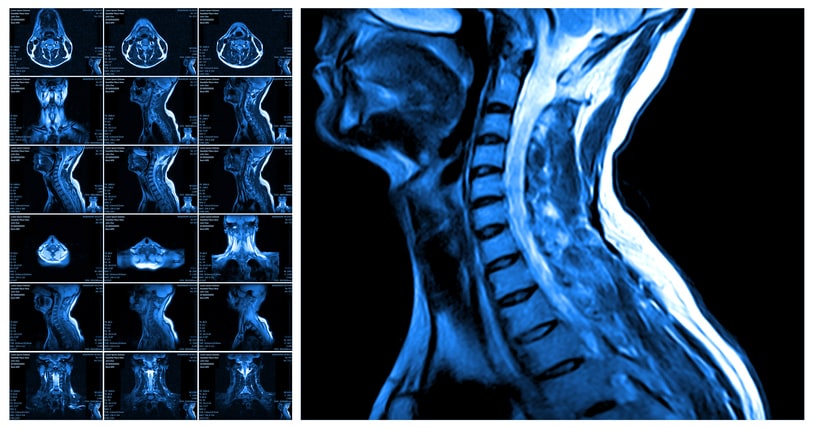
To conduct a bibliometric analysis of publications on artificial intelligence applications in spinal diseases to identify research hotspots, trends, and specific research questions.
Approach:
Key Findings:
AI has significant potential in improving diagnosis and treatment of spinal disorders, particularly through enhanced imaging analysis and predictive modeling.
Traditional methods of diagnosis and treatment are limited by human error and variability, which AI can help mitigate.
The bibliometric analysis reveals trends and hotspots in AI research related to spinal disorders, indicating areas for future exploration.
Interpretation:
The findings underscore the importance of integrating AI technologies in spinal disorder management, suggesting that further research is needed to fully realize their potential in enhancing diagnostic accuracy and treatment outcomes.
Limitations:
The study is limited to publications in English, which may exclude relevant research published in other languages.
Only articles and reviews indexed in specific databases were included, potentially overlooking important studies in other sources.
Conclusion:
The bibliometric analysis provides valuable insights into the evolution of AI applications in spinal disorders, highlighting the need for further research to address existing gaps and improve clinical outcomes.