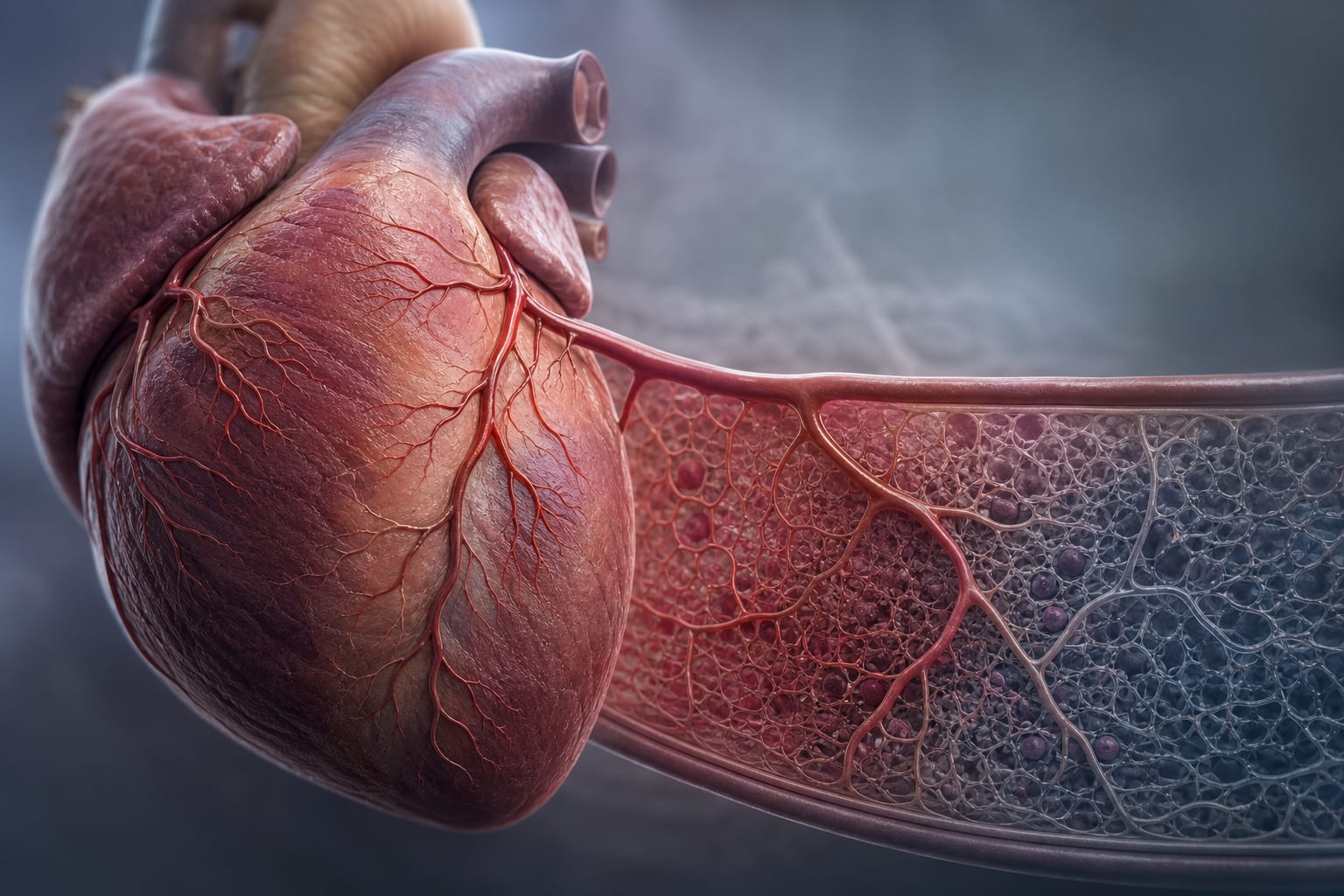
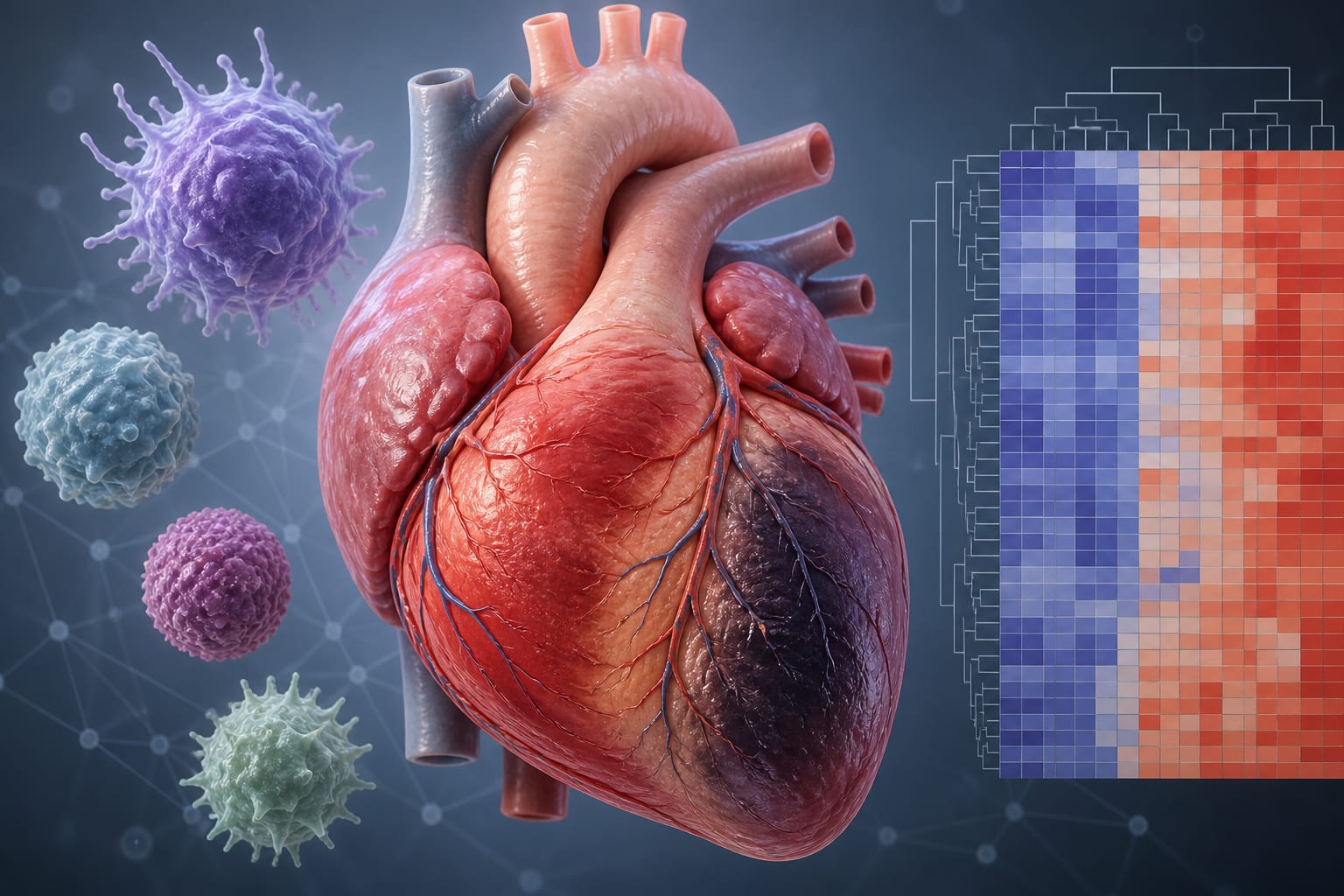
To investigate the interrelationships between coronary blood flow, myocardial oxygen consumption (MVO2), and regional contractile function in heart failure, highlighting the study's significance.
Key Findings:
Heart failure attenuates coronary vasodilation and autoregulatory capacity, leading to significant clinical implications.
Deficits in cardiac function are directly related to reductions in myocardial perfusion and oxygen delivery per beat.
Coronary microvascular dysfunction correlates with impaired contractile function, suggesting a pathway for therapeutic intervention.
Interpretation:
The study highlights the critical role of coronary microvascular dysfunction in the progression of heart failure, suggesting that impaired myocardial perfusion significantly affects cardiac function and may inform future treatments.
Limitations:
Study conducted in a swine model, which may not fully replicate human heart failure, potentially limiting translational relevance.
Limited sample size may affect the generalizability of the findings, warranting further research.
Conclusion:
Understanding the relationship between coronary blood flow and myocardial oxygen supply is essential for developing therapeutic strategies in heart failure management, emphasizing the need for targeted interventions.
by Salman I. Essajee, Matthew J. Eden, Victoria E. Sturgess, Gregory M. Dick, Selina M. Tucker, Cooper M. Warne, C. Alberto Figueroa, Daniel A. Beard, Johnathan D. Tune