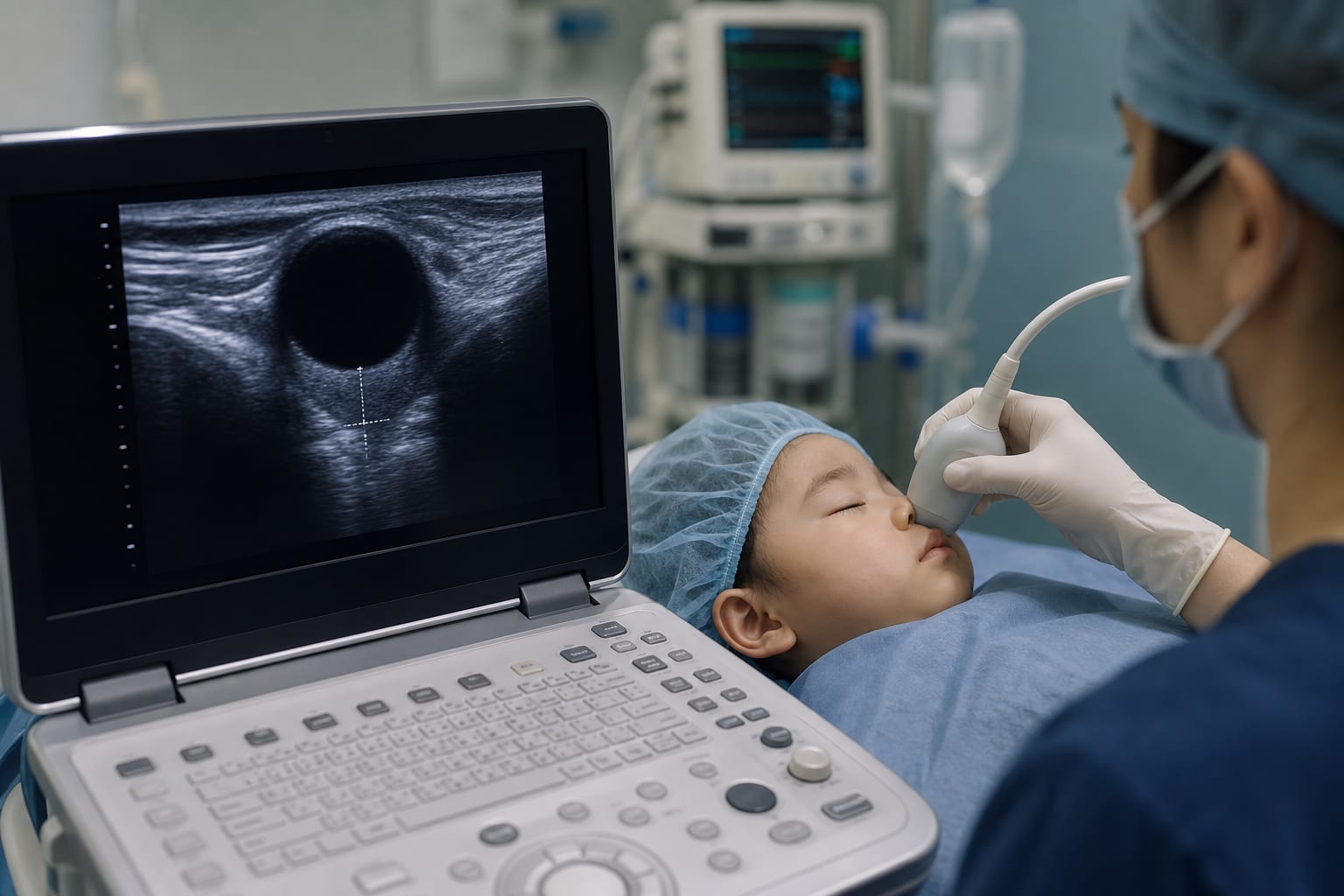
To summarize the preliminary research progress and emerging applications of AI monitoring in postoperative pain management and functional rehabilitation for spinal cord injury (SCI).
Approach:
AI Monitoring: AI monitoring involves data acquisition, preprocessing, algorithmic modeling, real-time analysis, and decision support to track vital signs, assess neurological function, and support pain management in SCI patients.
Key Findings:
Spinal cord injury leads to significant disability and chronic pain, with a high incidence of neuropathic pain reported among patients.
AI monitoring can facilitate personalized rehabilitation plans and improve postoperative management by integrating real-time data analysis.
Current monitoring relies on subjective assessments, which can lead to errors and missed indicators, impacting patient care.
Interpretation:
AI monitoring may enhance postoperative pain management and rehabilitation for SCI patients through continuous monitoring and personalized care.
Limitations:
Current rehabilitation strategies achieve only partial functional recovery due to limited neural regeneration.
Long-term rehabilitation resources are unevenly distributed, particularly in low-income regions.
Conclusion:
AI monitoring represents a promising advancement in the management of postoperative pain and rehabilitation for patients with spinal cord injury.