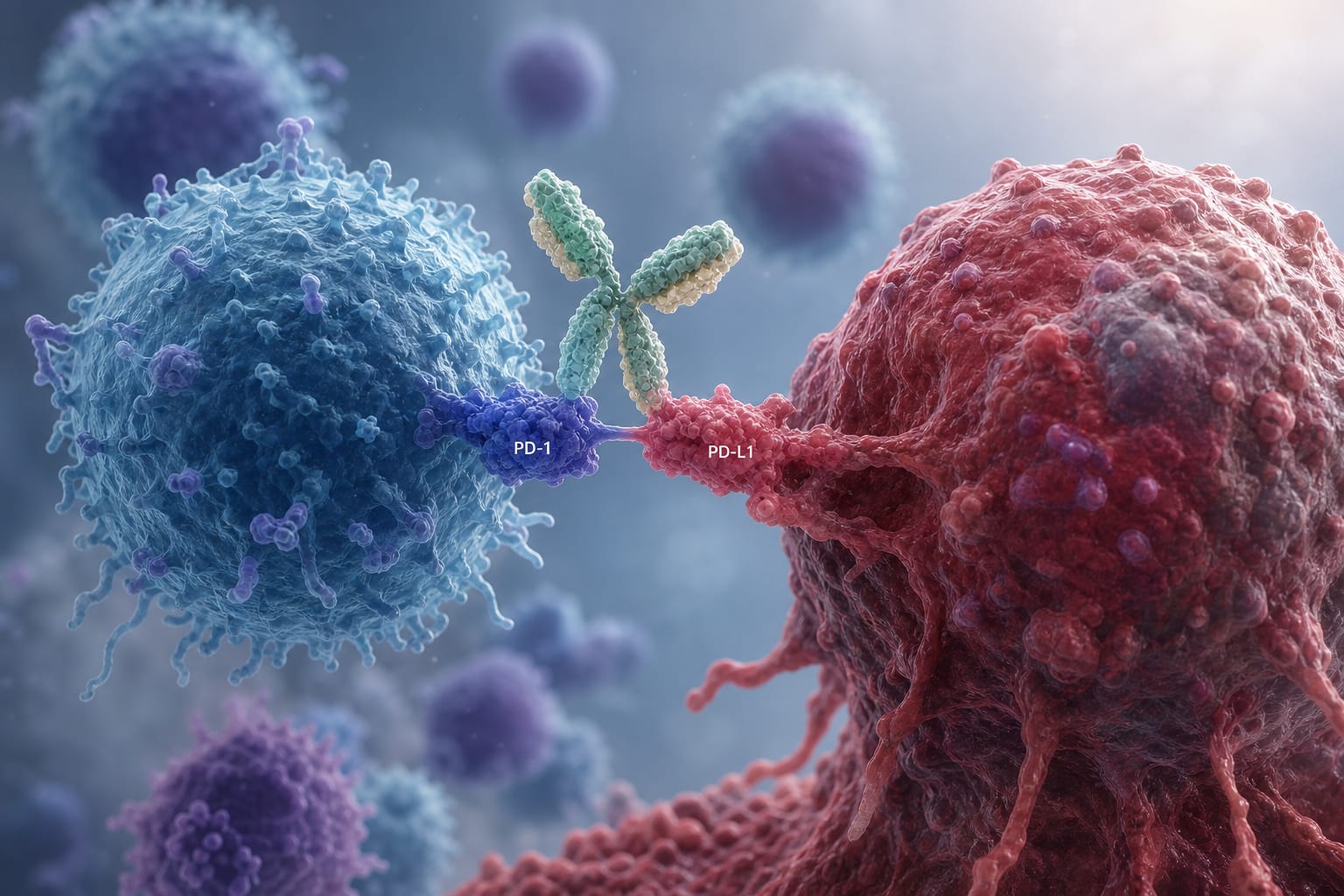
To detail the cellular and acellular components of the adrenal tumor microenvironment (TME), examine how molecular heterogeneity and hormone biology shape immune-stromal states, and assess immunotherapeutic opportunities.
Approach:
Method: label
Method: text
Key Findings:
Adrenal tumors exhibit clinical heterogeneity, ranging from benign adenomas to aggressive carcinomas.
The adrenal TME is characterized by interactions between hormone secretion and immune function, influencing tumor behavior and therapeutic response.
Distinct immune-stromal states are observed across different tumor types: APA has M2-polarized macrophages, CPA shows local glucocorticoid-driven immunosuppression, ACC is immune-depleted, and PHEO/PPGL has subtype-dependent features.
Cortisol-associated immune remodeling is notably supported in CPA, while immune checkpoint blockade has shown modest activity in ACC.
Interpretation:
Adrenal tumors should be classified by their endocrine-immune microenvironmental states, which has implications for biomarker development and combination therapies.
Limitations:
Most studies are small and retrospective, limiting the understanding of the adrenal TME.
Causal links between hormonal outputs and immune phenotypes are rarely demonstrated directly in human adrenal tumors.
Conclusion:
The review emphasizes the need for a deeper understanding of the adrenal TME and its implications for immunotherapy.
Harold Burstein, MD, PhD, and Ana C. Garrido-Castro, MD discuss results from the Saci-IO HR+ trial, which were presented at the 2026 ESMO Breast Cancer Congress.