To evaluate the agreement between self-collected cervical specimens and clinician-collected samples for cytology, high-risk HPV testing, and STI-related molecular testing.
Approach:
Study Design: A prospective paired study involving 520 women undergoing routine cervical cancer screening at a gynecologic clinic in Korea, comparing self-sampling with clinician-collected samples.
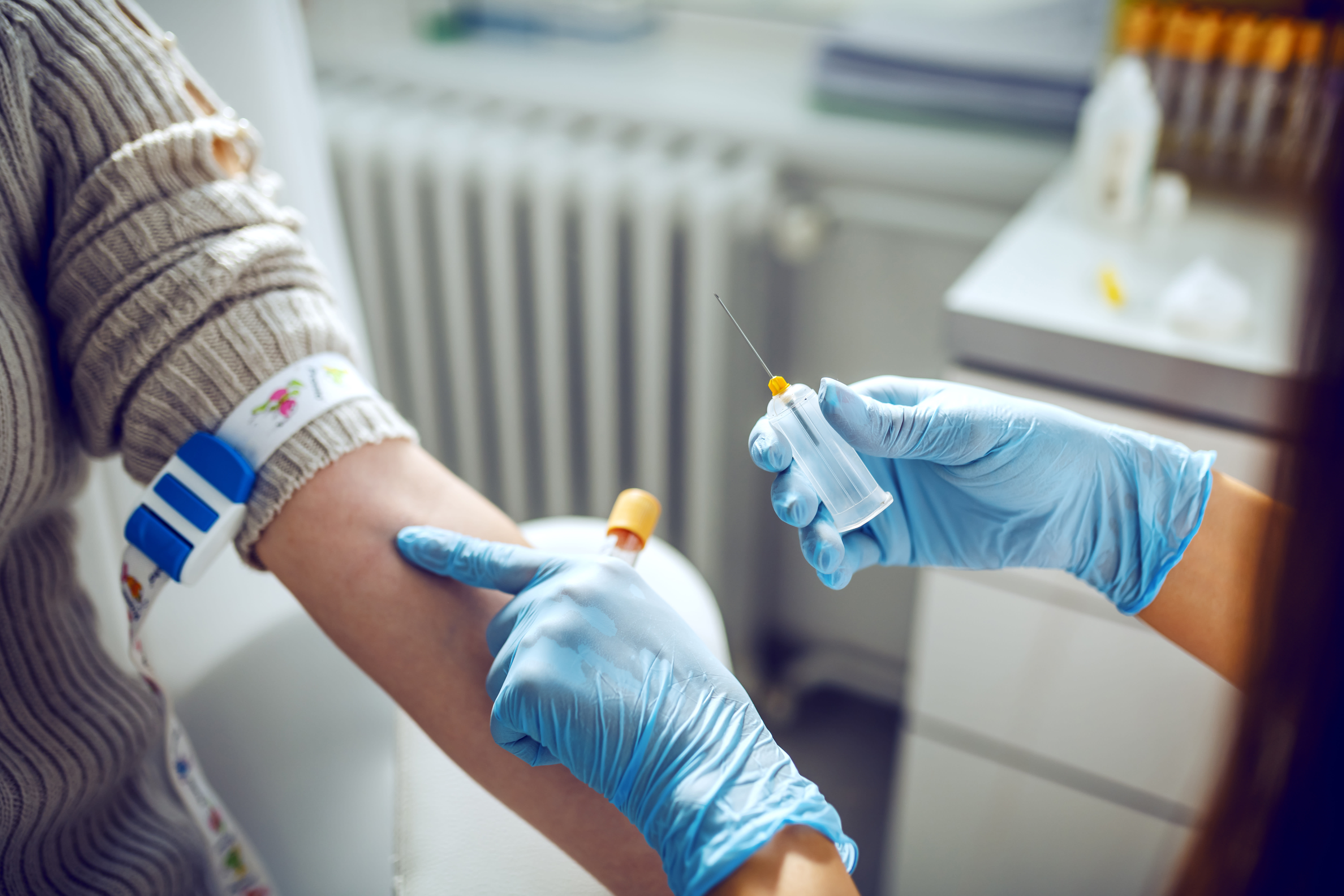
Self-Sampling Procedure: Participants used the Earlypap device for self-sampling, followed by clinician collection during the same visit.
Testing Methods: Samples were analyzed for liquid-based cytology, high-risk HPV testing, and STI-related molecular testing.
Participant Feedback: Participants rated the self-sampling procedure and expressed preferences for future use.
Key Findings:
Overall agreement: 91.7% for cytology, 95.4% for high-risk HPV testing, and 97.0% for STI-related molecular testing.
Self-sampling was successfully completed on the first attempt by 98.5% of participants.
92.1% of participants preferred self-sampling over clinician collection.
Abnormal cytology was highest among women younger than 30 years.
Histologic follow-up was limited and not systematic for all participants.
Interpretation:
Limitations:
Lack of systematic histologic confirmation for all participants with abnormal results.
Single-center study may limit generalizability.
Modest sample size may not establish definitive equivalence.
Reliance on a single liquid-based cytology platform.
Long-read transcript sequencing uncovered protein-altering variants missed by reference transcript analyses and identified functional effects for a lung-specific DPP9 isoform.