Editorial: The role of immune and stromal mediators in the formation of pre-metastatic and metastatic niches: the gateway to metastasis - Summary - MDSpire
Advertisement
Editorial: The role of immune and stromal mediators in the formation of pre-metastatic and metastatic niches: the gateway to metastasis
To highlight recent advances in understanding the role of immune and stromal mediators in the formation of pre-metastatic and metastatic niches, with implications for therapeutic strategies.
Approach:
Key Findings:
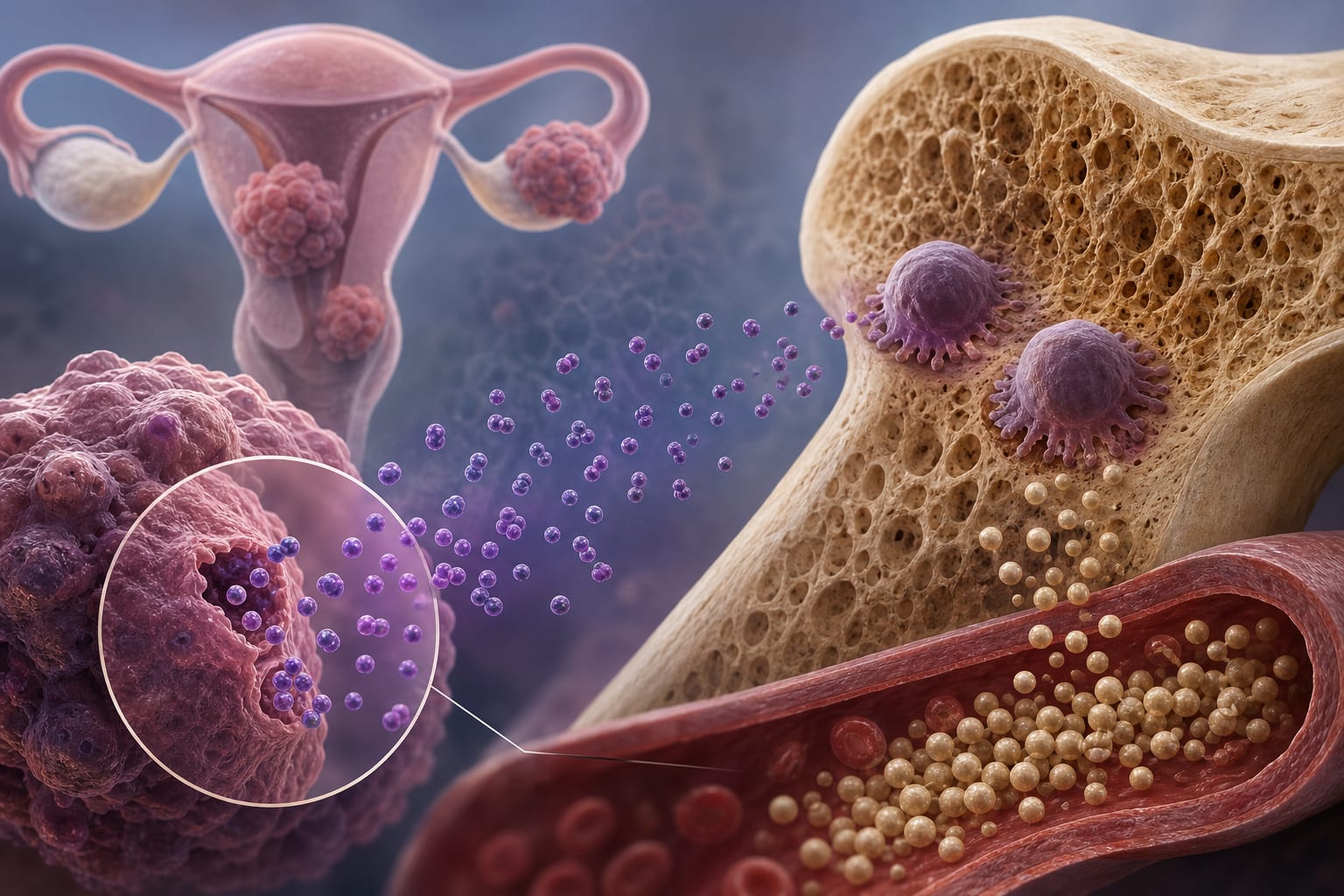
Primary tumors condition distant tissues through soluble factors and extracellular vesicles, influencing immune cell recruitment and ECM remodeling.
Organ-specific differences in immune microenvironments affect metastatic outcomes, particularly in colorectal cancer.
Platelets and their extracellular vesicles significantly promote metastasis and immune evasion.
Nidogen-1 is crucial for maintaining basement membrane integrity, acting as a barrier to metastasis.
CAF-derived periostin promotes immune evasion and enhances metastatic spread in gastric cancer.
The CXCL12/CXCR4 axis is a key driver of organ-specific metastasis and immune suppression in colorectal cancer.
Interpretation:
The interactions between tumor cells, immune cells, and the stromal environment are critical in the development of metastatic niches, suggesting potential therapeutic targets.
Limitations:
Standardized isolation methods for platelets and PEVs are still needed, which may hinder research progress.
Translational studies to validate findings in clinical settings are required to ensure applicability.
Conclusion:
Understanding the mechanisms of immune and stromal interactions in metastasis may lead to improved therapeutic strategies, addressing current treatment challenges.